


World3 min(s) read
Symptoms of 'winter vomiting bug' as cases surge just before Christmas - health officials issue warning

Health officials are warning the public to take extra precautions against norovirus – often called the “winter vomiting bug” – as cases continue to circulate during the colder months.
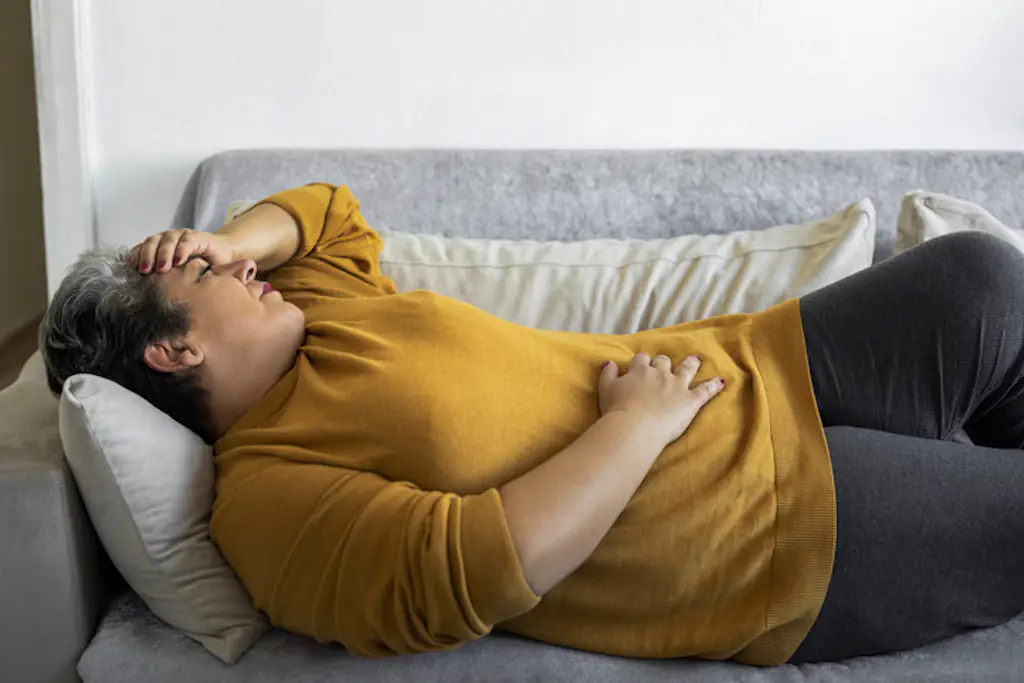
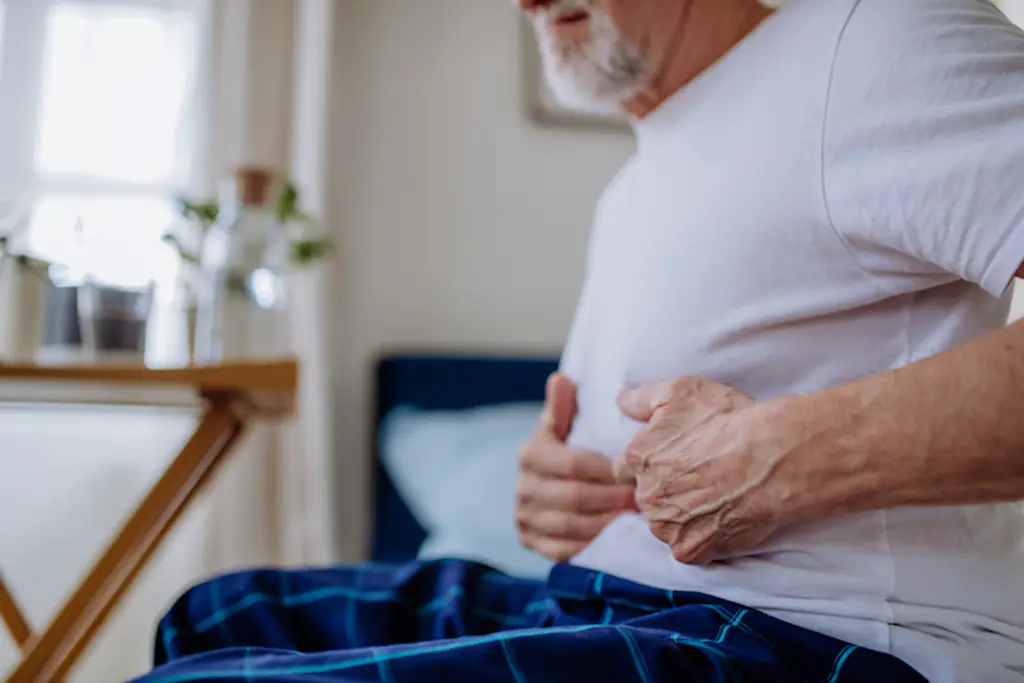
Norovirus spreads easily through close contact with an infected person, touching contaminated surfaces and then the mouth, or consuming food or water that has been contaminated. The virus is highly infectious and commonly causes sudden nausea, vomiting and diarrhoea. Some people may also experience a high temperature, stomach cramps and aching limbs, according to the NHS.
Symptoms usually begin 12 to 48 hours after exposure, and most people recover within two to three days. However, young children, older adults and people with weakened immune systems may be at greater risk of more severe illness.
Officials note that individuals can remain contagious for up to 48 hours after symptoms stop. During this time, people are advised to stay home and avoid preparing food for others to prevent further spread.
Norovirus can live on surfaces for extended periods, sometimes days or weeks, allowing it to move quickly through households and communities. Health authorities recommend thorough cleaning of contaminated areas with a bleach-based disinfectant.
Last year’s norovirus season saw unusually high activity, partly driven by the GII.17 variant. The UK Health Security Agency (UKHSA) recorded record-breaking levels of hospitalisations in mid-February, with more than 1,160 patients admitted per day at the peak.
With winter viruses once again rising, the UKHSA has released updated data on the current situation in the UK.
Current norovirus activity
Cases typically peak between November and April. According to the latest UKHSA figures, activity has declined slightly in recent weeks but remains within the expected seasonal range. In the two weeks leading up to November 23, confirmed cases were 31% lower than the five-season average for the same period.
Around 85% of reported cases involved GII strains, with GII.4 now the dominant variant as GII.17 continues to decrease.
How to reduce your risk
The UKHSA stresses that it is possible to catch norovirus more than once in the same season. Good hygiene remains the most effective form of protection.
Officials advise washing hands regularly with soap and warm water – especially after using the toilet, before eating or preparing meals, and after cleaning up bodily fluids. Those who become unwell should stay home until at least 48 hours after symptoms have ended, wash contaminated clothing and bedding at 60°C, disinfect affected surfaces, and avoid close contact with others, per the London Evening Standard.
Anyone feeling unwell is encouraged to stay hydrated and seek advice remotely if needed. The UKHSA urges people not to attend GP surgeries or hospitals in person, but instead to contact their GP by phone or use NHS 111 if symptoms worsen or cause concern.