


World4 min(s) read
What is 'chroming'? Parents issue desperate warning over dangerous trend that has left kids dead

The rising trend of "chroming," a dangerous practice of inhaling toxic chemicals for a temporary high, has led to an alarming number of fatalities, with young people becoming its primary victims.
In recent years, several teenagers have tragically lost their lives after experimenting with this craze, including 13-year-old Esra Haynes from Melbourne, Australia, and 12-year-old Oliver Gorman from Hyde, UK, who both died after inhaling gas from aerosol deodorants.

What is Chroming?
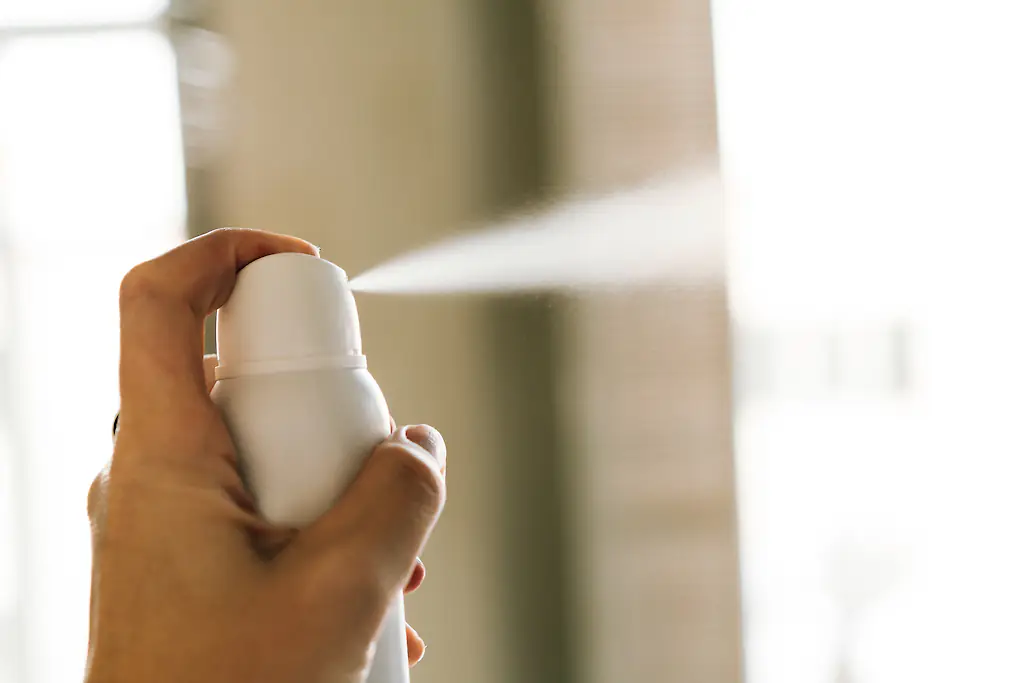
Chroming refers to the inhalation of toxic substances found in everyday household products such as deodorants, aerosol cans, glue, paint, and nail polish remover, among others.
The chemicals are inhaled through various methods like spraying them directly into the mouth or nose, inhaling fumes from a rag or plastic bag, or sniffing them directly from the container.
These substances often include highly volatile hydrocarbons, such as nitrous oxide, which is commonly referred to as "laughing gas".
The Deadly Effects of Chroming
The short-term effects of chroming include dizziness, nausea, slurred speech, and a temporary high.
However, the risks are much more severe and can lead to life-threatening consequences, such as cardiac arrest, seizures, and suffocation.
Inhalants can also cause brain damage, cognitive decline, and long-term mental health issues such as depression and paranoia.
The Journal of Drug and Alcohol Research has reported that even a single session of chroming can lead to death.
The chemicals used in chroming can disrupt normal brain function and cause rapid, irreversible damage to vital organs.
In Esra’s case, after inhaling the gas from an aerosol can, she went into cardiac arrest and sustained irreversible brain damage, ultimately leading to her death.

The Rise of Chroming Among Teens and Gen Z
The popularity of chroming has surged among Gen Z, particularly following the pandemic, when many young people turned to substances like nitrous oxide as a form of escapism.
Chroming is often seen as an easier and cheaper alternative to other drugs, as the products involved are legally available and widely accessible.
Dr. Betty Choi, a pediatrician, notes that while inhalant abuse rates had declined in previous decades, recent years have seen a rise in experimentation among teens.
She attributes this increase to a combination of factors, including social media influence, mental health struggles, and peer pressure.
One of the most concerning aspects of the chroming trend is its promotion on social media.
Platforms like TikTok have shared numerous videos under hashtags like "WhipTok," where users show themselves inhaling nitrous oxide or other inhalants.
These videos often downplay the risks and encourage others to try it, leading to a dangerous cycle of imitation.
While TikTok has since attempted to curb this trend by removing such content and directing users to helplines, the prevalence of videos remains an issue.
Warning Signs and Prevention
Parents need to be vigilant in spotting the signs of chroming, as it is often difficult to detect.
Common indicators include frequent nosebleeds, sores around the mouth or nose, and a sudden decline in academic performance or social withdrawal.
In some cases, children may experience mood changes such as grumpiness or coldness, which can signal underlying substance misuse.
Dr. Pizon advises parents to keep harmful products out of reach, dispose of unused items, or lock them away.
He also stresses the importance of having open, ongoing conversations with children about the dangers of chroming.
“If they feel safe and supported, they are more likely to open up and share their thoughts with you,” Choi added.
Experts also recommend that parents monitor their children’s social media activity and set limits on app usage to reduce exposure to harmful content.
Many teenagers who experiment with chroming are dealing with underlying mental health issues, such as anxiety, depression, or stress.
As Dr. Pizon notes: "There’s often an underlying psychiatric component of these kids who are just looking to relax or self-medicate."
For this reason, parents need to address mental health concerns and talk to their children's healthcare provider to get the support they need.