


World5 min(s) read
What to expect if Trump succeeds in 'taking over' Greenland

Here's what to expect if Trump succeeds in "taking over" Greenland, a semi-autonomous territory of Denmark.
The US President has repeatedly expressed his desire to acquire the Arctic island, citing national security reasons and strategic value.
With tensions already high, Trump's rhetoric has sparked fears of a conflict, particularly given that Greenland is a member of NATO, and any move by the US to seize it would potentially fracture the alliance.

In recent months, the Trump administration has explored various options to take control of Greenland.
In a statement to the BBC, the White House confirmed on Tuesday (January 6) that military force remained one of the options on the table.
Despite earlier discussions about purchasing the island, the suggestion that military action might be used has turned the issue into a geopolitical crisis.
Trump could go ahead with the takeover, even if Congress objected later
Greenland's status as part of Denmark brings it under NATO's defense umbrella, which makes it an important point of concern for the transatlantic alliance.
Should the 79-year-old move forward with a military takeover, the US would be violating its obligations to NATO, as the attack would technically target a fellow member state.
Under NATO's Article 5, all member nations are committed to defending each other in case of attack, yet the US's position as the aggressor would block any collective defense action.
In theory, Trump could act swiftly by deploying troops without immediate Congressional approval, notifying lawmakers within 48 hours.
Although Congress has the power to stop military action after 90 days, two months would provide enough time for the US to secure key strategic sites on the island.
This possibility has amplified worries about Greenland's future, especially considering its importance in missile detection and space operations.
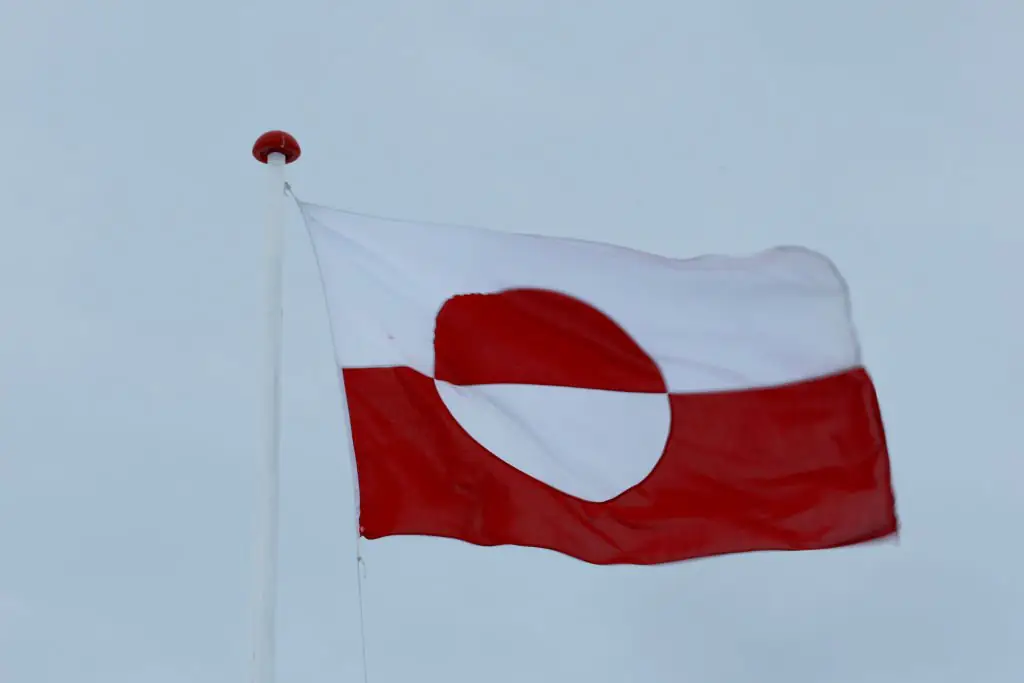
European and Danish Reactions: Growing Tensions
The growing US interest in Greenland has been met with increasing resistance from Denmark and its European allies.
On multiple occasions, Danish leaders have firmly rejected the idea of Greenland being ceded to the US.
Prime Minister Mette Frederiksen has warned that an attack by the US on Greenland would spell the end of NATO, and stressed that territorial integrity and sovereignty are non-negotiable.
European leaders have also rallied behind Denmark, with six countries, the UK, France, Germany, Italy, Poland, and Spain, issuing a joint statement underscoring the need to respect Greenland's status.
"Greenland belongs to its people, and only Denmark and Greenland can decide on matters concerning their relations," the statement read.
Greenland’s Prime Minister Jens Frederik Nielsen called Trump’s renewed annexation efforts a “fantasy," and has also called for a respectful "dialogue,” instead.
“No more pressure. No more insinuations. No more fantasies of annexation. We are open to dialogue. We are open to discussions. But this must happen through the proper channels and with respect for international law," he added, per BBC News.
Strategic and Economic Considerations
Greenland's strategic importance cannot be overstated. As the Arctic ice continues to melt, the island's vast untapped natural resources, including rare earth minerals, have caught the attention of global powers like Russia and China.
Some US officials, including Secretary of State Marco Rubio, have downplayed the possibility of military action, suggesting that the Trump administration is more focused on developing commercial relationships.
However, the public statements from Trump's senior aides, such as Stephen Miller, who boldly declared the US government’s position that Greenland should be part of the US, suggest a more aggressive approach may be under consideration.

The Threat of a Geopolitical Shift
A US takeover of Greenland could extend beyond the immediate military and legal consequences.
A divided NATO would undermine Western security and encourage adversaries like Russia and China.
In a region where both countries are increasingly active, a US action against Denmark would send a message of instability and weaken confidence in the international order.
While Denmark may seek support from the European Union, Greenland's lack of EU membership complicates the matter.
European military capabilities also fall short of the ability to challenge the US directly. Instead, support would likely come in the form of sanctions, diplomatic pressure, and non-military means of resistance.
Greenland's Future
For Greenland’s population of 57,000, the prospect of becoming part of the United States is a deeply unsettling one.
While many Greenlanders support eventual independence from Denmark, the majority oppose joining the US.
Residents have expressed alarm over Trump's rhetoric, with one Greenlandic citizen, Morgan Angaju, saying: "[Its] terrifying to listen to the leader of the free world laughing at Denmark and Greenland and just talking about us like we're something to claim."
Whether through force or diplomacy, the outcome of Greenland's future could reshape global alliances and the Arctic’s geopolitical landscape for years to come.