


Uncategorised4 min(s) read
6 of the weirdest ways the world could end
.jpg_I4Ebof?tr=cr-0.338.2730.3068,f-webp,q-70,w-100)
As a culture, I'm pretty sure we're a little obsessed with the end of the world. Most superhero movies tend to put the fate of the world in the balance, science-fiction is full of post-apocalyptic stories, and directors like Roland Emmerich (the guy behind The Day After Tomorrow, Independence Day, 2012 etc.) make entire careers out of the concept.
But the topic is coming up more and more these days, with every day bringing more news that seems to spell the end of civilisation as we know it. But aside from the threat of North Korea and the multitude of hurricanes that are battering America right now, there are some truly strange ways in which the world could come to its end.
1. Grey goo
This scenario, which emerged in the late 80s, describes the possibility of microscopic robots (nanotechnology) going out of control. The term "grey goo" was coined by nanotechnology pioneer Eric Drexler, who theorised that if self-replicating robots were to be built, a simple error could lead to them consuming all biomass on Earth to build more of themselves. "In less than a day, they would weigh a ton; in less than two days, they would outweigh the Earth," Drexler wrote, as long as they have the resources to consume. Luckily for us, there doesn't seem to be much need for these nanobots to be built as of yet.2. Nuclear famine
While the idea of a nuclear war is pretty scary in itself, it's not just the immediate blast and irradiated area that can affect the world. The affect of nuclear explosions on the atmosphere can lead to weather changes, which in turn can majorly affect agriculture that survived the blast, ultimately triggering a food crisis among those remaining. And if a nuclear winter occurred, where light-blocking ash and smoke is released into the atmosphere, sunlight could be severely reduced for months or even years. Even a regional conflict using these weapons could affect seasonal patterns, disrupting food production that is usually shipped worldwide.3. Dark Matter clump
Dark matter, the undetectable stuff believed to hold the universe together, can theoretically move in clumps. If one of these pass near our sun, its pull could shake loose comets from the outer solar system towards the Earth. Astronomer Kenji Bekki claims that this happened millions of years ago, forming the ring of stars called Gould's Belt. If a clump headed straight to Earth, it could produce heavy gamma radiation, heating up the Earth's interior and triggering massive volcanic eruptions across the world. The odds of either of these events occurring is impossible to determine; scarily it could be starting right now and we wouldn't know.4. Verneshot
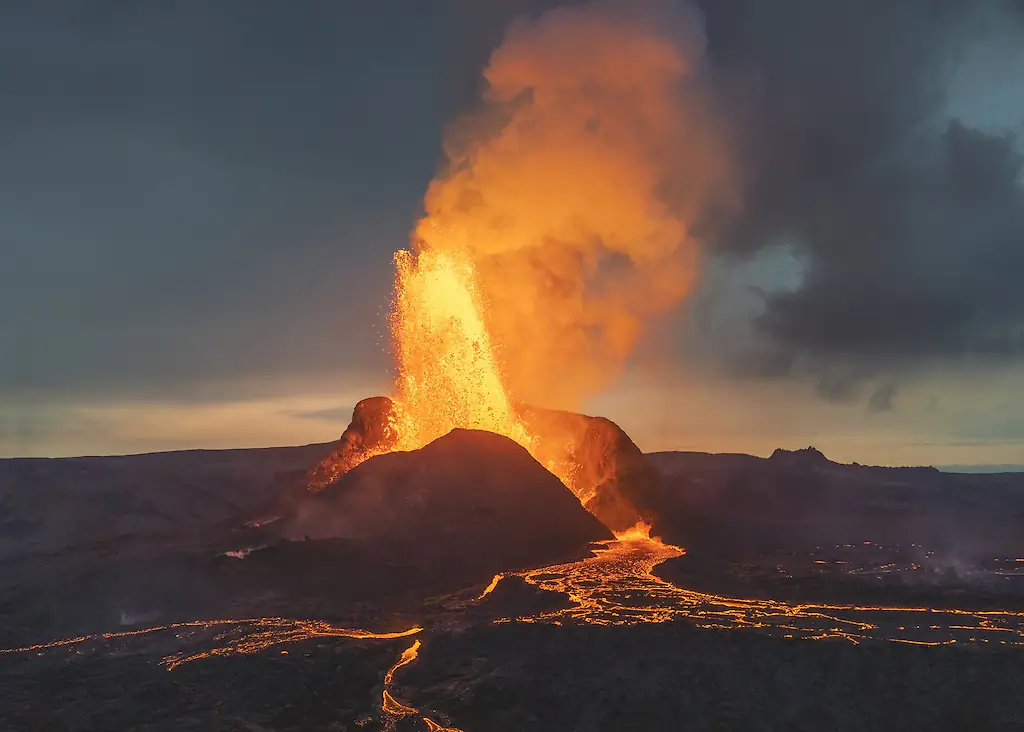
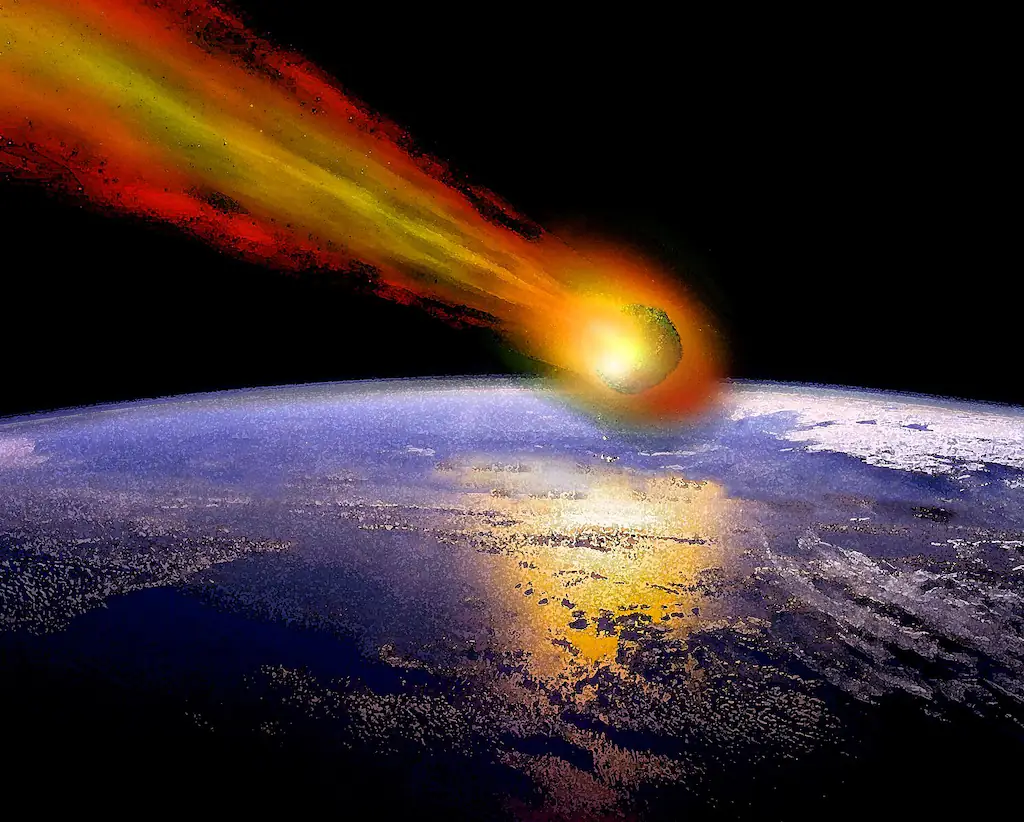
This hypothetical scenario is effectively a combination of an asteroid strike and a volcano. A massive buildup of carbon dioxide underground could potentially cause an eruption wherein gigantic rocks from the crust and mantle of the Earth are launched into the air. The rocks wouldn't be launched far enough to go into orbit, but far enough that when they come back down the results are disastrous. Either the cluster of rocks would stay in one cluster, impacting in one widespread area, or they would shatter and disperse across a monumental distance, affecting most of the planet.5. Methane burps
Methane burps, also known as the Clathrate Gun Hypothesis, are instances where huge volumes of methane gas emitted from the ocean floor and permafrost. When the atmosphere heats up, permafrost begins to thaw, and underwater methane clathrate deposits can be released. Methane would cause global warming to happen at an much faster rate, which would in turn cause more methane to be released, and so on... Scarily enough, this has actually happened twice before. The last time was around 55 million years ago, an event that screwed up the environment for nearly 100,000 years.6. Alien plague
Astronomer Fred Hoyle has claimed that comets are full of viruses that can cause flu epidemics when they rain down on Earth. His ideas were rejected outright at the time, but in recent years studies have shown that certain microbes are capable of surviving long journeys through space. Basically, a virus or form of bacteria that our bodies are not prepared to defend themselves against can have devastating results on our species if we were to come in contact with it. It's extremely unlikely that we would come into contact with what is effectively a basic extraterrestrial life-form, but worrying all the same. There's a reason that NASA have such an elaborate quarantine protocol for space samples returned to Earth. Now, if you were already worried about the threat of an incoming apocalypse, this list probably didn't provide much comfort. But there's no need to get too anxious over the above possibilities, as they are all as unlikely as they are weird. But just to be safe, I vote we don't build any self-replicating robots..webp_QQJmGo?tr=cr-345.0.1535.1190,f-webp,q-70,w-100)

.jpg_xKEaT0?tr=cr-0.328.2730.3058,f-webp,q-70,w-100)

.jpg_I4Ebof?tr=cr-0.338.2730.3068,f-webp,q-70,w-1024)

.webp_QQJmGo?tr=cr-345.0.1535.1190,f-webp,q-70,w-1024)


.jpg_xKEaT0?tr=cr-0.328.2730.3058,f-webp,q-70,w-1024)
