


Uncategorised5 min(s) read
An asteroid just zoomed horrifyingly close to earth and NASA didn’t see it coming
.jpg_I4Ebof?tr=cr-0.338.2730.3068,f-webp,q-70,w-100)
When it comes to issues of space exploration, we tend to trust one organisation and one organisation only. NASA is the agency that's always on hand to astound us with their discoveries in outer space, to warn us when catastrophe is on the way and, more importantly, to tell us how to avoid it. Or so we thought, anyway...
Everyone makes mistakes, and that apparently includes if you're an independent agency of the executive branch of the United States federal government responsible for the civilian space programme of aeronautics and aerospace research (with an $18.7 billion yearly average budget). In fact, NASA made a doozy of an oversight when they missed the fact that an asteroid the size of a whale came this close to Planet Earth.
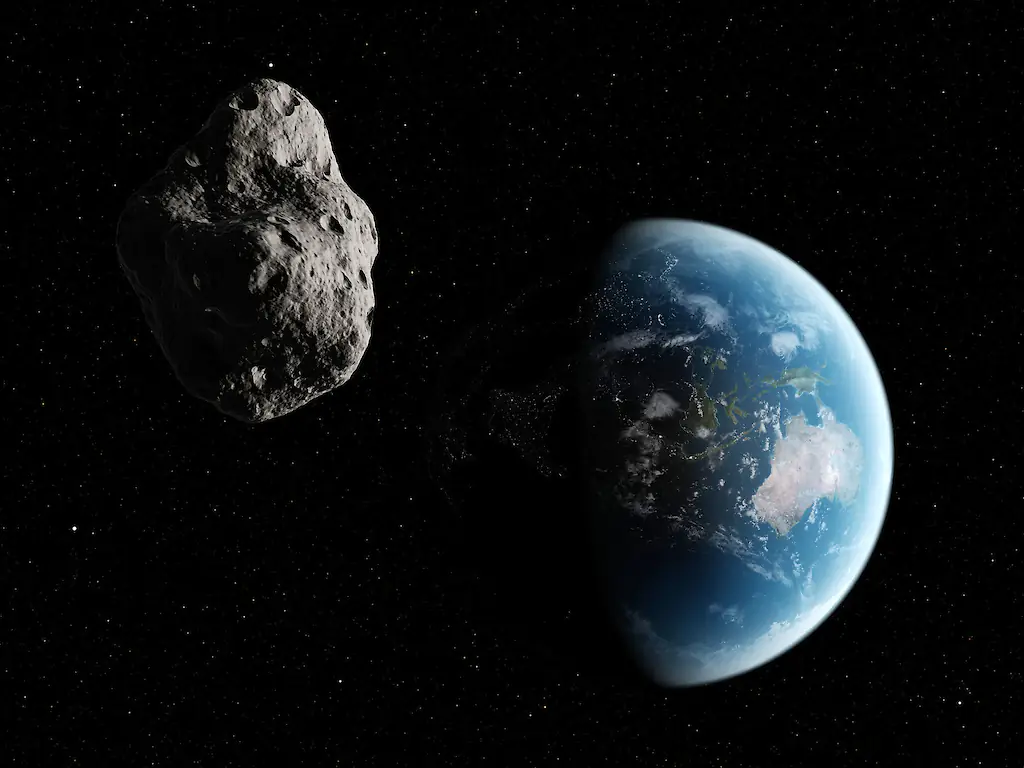
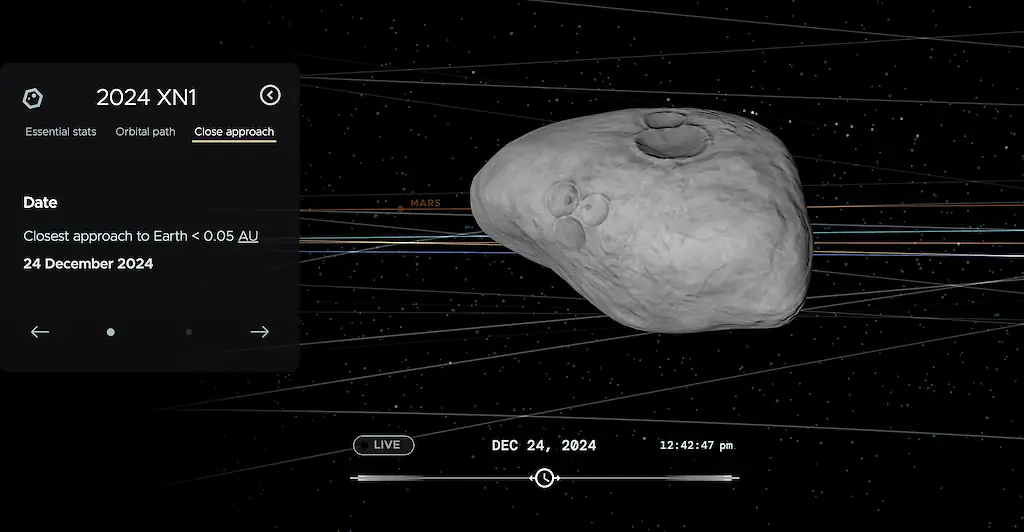
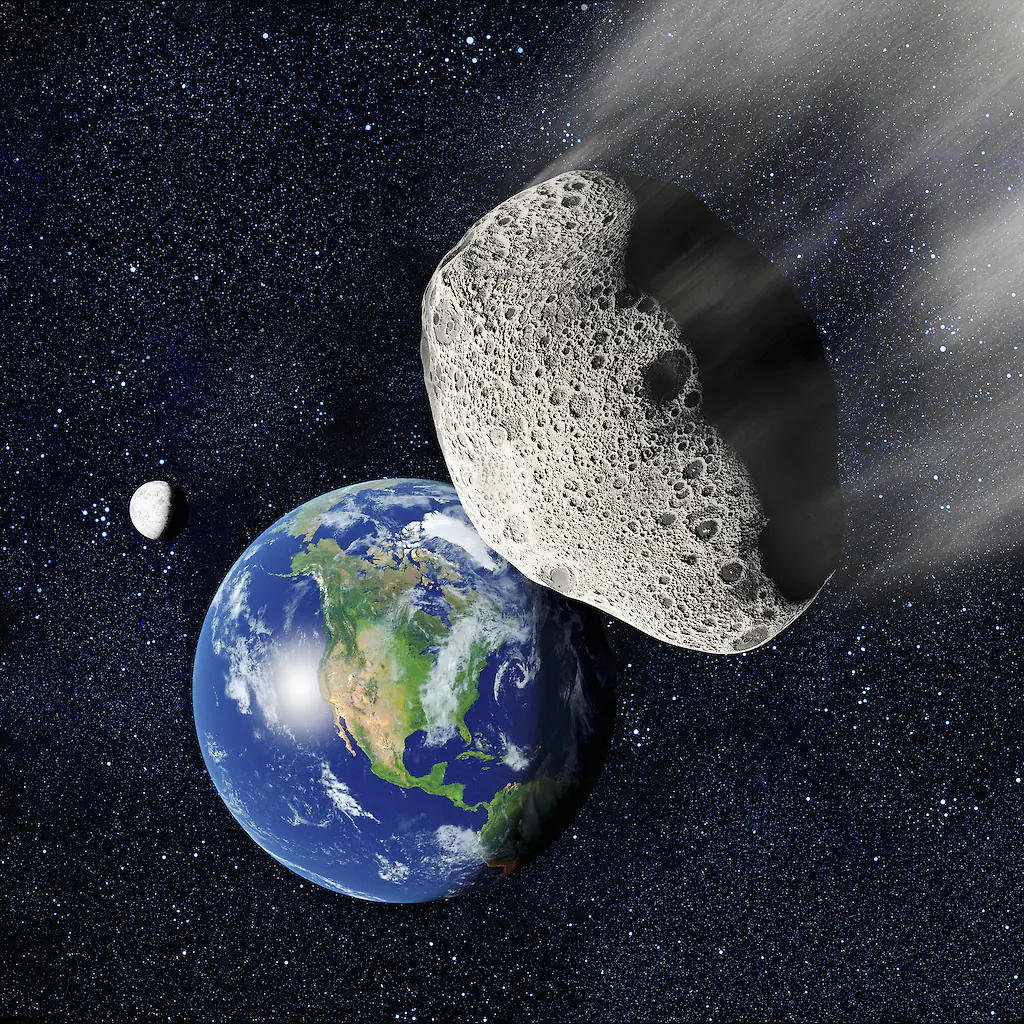
Asteroid 2017 VL2 reportedly flew just 73,000 miles from our homeland which is just one-third of the distance between our planet and the moon. In case you're wondering what kind of damage a space rock that size could do, apparently it could easily wipe out a major city like New York. Worryingly, it's reported that astronomers only spotted the asteroid, which measured between six and 32 metres wide, a day after it had zoomed past us on November 9.
First seen at the Mauna Loa observatory in Hawaii on November 10, it's been estimated that if the giant space rock had hit Earth, it would have wiped out anything within a radius of about 3.7 miles. However, you'll be thrilled to hear that, now they know it exists, astronomers have their eye firmly on Asteroid 2017 VL2 and estimate that it is not due to shoot past Earth until at least 2125. Phew!
This wasn't the first time that NASA has dropped the ball. In fact, despite being filled with some of the most intelligent people on the planet, the space agency is far from infallible. Perhaps one of the stupidest mistakes ever made by the US space exploration organisation is when they launched an Orbiting Carbon Observatory satellite which was intended to measure Earth’s CO2 levels. The device was sent up in February 2009, but it never actually made it out of our atmosphere, instead, it plummeting back down to Earth and landing in the Indian Ocean near Antarctica.
After nine years of development and over $270 million, people were, needless to say, confused as to what happened and it eventually emerged the rocket hadn't ejected the payload fairing (that's the nose-cone to you and me) and the extra mass meant that the rocket lacked enough power to escape the atmosphere. It was eventually launched successfully, however, it took NASA five extra years, and no doubt a lot of humiliation, to do it.
[[heroimage||http://cdn.junglecreations.com/wp/junglecms/2017/12/planet-earth-compressor.jpg||image]]
Or if you want more NASA boo-boos, there was the time that the agency launched the United States' first and only space station with seemingly absolutely no thought as to how it would come back down to Earth. Skylab lasted for six years in the space, before falling back down to Earth. Luckily NASA were able to guide most of the space station into the Indian Ocean, but that didn't stop pieces landing in the small town of Esperance, Australia. Thankfully no one was injured as a result. But if we're talking mistakes, then the deletion of the moon landing tapes probably takes the cake. One giant leap for mankind became one giant blunder for NASA when it was revealed they had foolishly taped over original recordings of the first humans landing on the moon in 1969. The space agency admitted in 2006 that no one could find the original grainy images of Neil Armstrong and Buzz Aldrin walking on the surface of the moon and it eventually exposed that they were erased and reused by NASA in the early 1980s. Officials insisted that newly restored copies of the original broadcast look even better than the old ones, but there's no doubt this fact didn't erase their embarrassment over the situation. Nonetheless, no one is perfect and we can all wipe our foreheads, take a deep breath and be happy that the more recent asteroid missed us - but that is not to say that there aren't thousands of space rocks out there that won't spell disaster for the only object in the Universe known to harbour life. Reportedly, there are more than 8,000 known Apollo rocks and nearly 1,500 could get close enough to Earth to become potentially hazardous. Not to mention a far larger asteroid named 3200 Phaethon is on course to pass by our planet this very month. Russian astronomers have warned us that we are set to have a terrifyingly close encounter with the three-mile wide celestial body on December 17. In case you were wondering, that is half the size of the rock that wiped out the dinosaurs 65 million years ago. Described by NASA to be "a potentially hazardous asteroid whose path misses Earth's orbit by only two million miles", you'll be happy to hear that the monster asteroid will do more good than harm this time; it is thought to cause the stunning Geminids meteor shower today and tomorrow, which will see hundreds of bright meteors beautifully illuminate the night's sky as they burn up in Earth’s atmosphere. So, we escaped the fate of all of those Tyrannosaurus Rexes and Velociraptors this time, but we have to say, it was a close call. All we can really do is cross our fingers and hope that NASA and the other space agencies of the world keep a better eye out in future..webp_vBqgAR?tr=cr-242.0.1293.1051,f-webp,q-70,w-100)

.jpg_I4Ebof?tr=cr-0.338.2730.3068,f-webp,q-70,w-1024)


.webp_vBqgAR?tr=cr-242.0.1293.1051,f-webp,q-70,w-1024)