Uncategorised5 min(s) read
health3 min(s) read
Tampons are one of those things that we think of as harmless. But for Amanda Stanley, they nearly killed her, and now she had vowed never to use one again after she narrowly escaped death through toxic shock syndrome because of one. Her ordeal began one night when she realised that her blood flow during her period was far heavier than normal, and also that she was exhibiting flu-like symptoms.
But then one day she pulled out from within herself a piece of bloodied cotton gauze, which had become detached from the rest of the tampon and lodged inside her. This, in turn, had induced toxic shock syndrome, a potentially fatal illness, and Amanda was rushed to hospital. Doctors discovered that she had a high temperature of 40 C (104 F), and fighting a strep A infection. She was lucky, and doctors prescribed antibiotics, which stopped the spread of the infection. However, to this day she is still paranoid about tampons.
Commenting on her horrendous ordeal, she stated: "I went to the bathroom, where I looked at the toilet paper in my hand and realised there was something there. I sort of lifted it out, stretched it and realised it was a bit of gauze. I examined it and I realised it was a bit of a tampon. I went back to my bed, looked at a clean tampon in my purse and realised it was the lining that holds the cotton together. It must have broken off and got stuck. I had no idea how long it had been there."
"I was fine the day before and had spent the day out and about with my two kids, but when I woke up that Friday, I had to call their dad, and ask him to come and pick them up, because I knew I was too ill to look after them. I also called my obstetrician/gynaecologist and explained that something was wrong and I needed to come in, booking an appointment for 3pm that afternoon. For the rest of the day, I was huddled up on the couch, covered in layers and wrapped in a blanket, as I felt so cold."
She added: "I knew about toxic shock, because I had read the symptoms on the box, but it was one of those things where I thought it would never happen to me. I always remove my tampons on time and I’m really hygienic with them. Now I know it can happen to anyone. I never thought about the possibility of a tiny bit of tampon still being there. I had two gynaecological examinations and no one noticed it, because it was so small. Now I want other people to know about the symptoms, because the sooner you get treatment, the better. I’ll never use tampons again, though – I don’t feel they’re worth the risk."
I guess it just goes to show that you can never be too careful. If you're worried about any irregularities with your period or suspect that you might have contracted something similar, then please don't hesitate to consult a doctor.
health3 min(s) read
A woman from Texas experienced one of the worst outcomes of what she initially believed was just a common cold.
Sherri Moody, a teacher from Deer Park just outside of Houston, was left fighting for her life after a seemingly routine infection left her needing to get all of her limbs amputated.
It all started when the 51-year-old was on a class trip in April 2023 when she felt herself coming down with what she believed was a cold.
With colds being so common, Sherri paid no attention to it, but when she suddenly started getting more bothersome symptoms such as a high fever and breathing issues, she was rushed to the emergency department.
"I’ve never gone to the ER before in my life," Moody told TODAY in an interview. "I was very healthy, very in shape. I ate right, exercised."
After being analyzed by doctors, they concluded that Sherri was suffering from double pneumonia which was caused by the streptococcus bacteria. Her body quickly went into septic shock, which is a life-threatening bodily reaction that involves a severe drop in blood pressure.
According to the Sepsis Alliance, once a patient starts experiencing breathing difficulties or other organ issues, they're most likely in a severe state of the disease.
Sherri's husband, David, stated that he had to search for extra information about sepsis but once he saw what it could potentially lead to, he realized that this could get dangerous very quickly.
"I had to Google what sepsis was. I had no idea. We’re pretty healthy people," the 53-year-old told the outlet. "I recognized real quick that we were in a severe situation. I was scared to pieces."
What made the situation worse was the fact that Sherri was taking immune-suppressing medication for rheumatoid arthritis, which meant that her body was already compromised and was not in the best condition to fight such a powerful reaction.
"It was like a category 5 hurricane coming in," David continued. "She had nothing to fight with. It’s like she went to war with no soldiers."
Doctors worked quickly to put Sherri into a coma in order to push stronger medication through her bloodstream, though this did not bring circulation back to the parts of her that had experienced the most damage.
Within days, David recalled watching the flesh of his wife turn black.
"I literally watched my wife’s feet and hands die," he said. "They were black and they were mummified."
The teacher was forced to have both her arms amputated, as well as her legs just below the knee and while this news was obviously distressing, Sherri recalled being "calm" in the situation.
After the operations, as well as a further month of rehabilitation afterward, Sherri was finally allowed to go home, though in an entirely different condition to which she arrived.
Despite this though, she chose to be positive about the entire ordeal.
"I’m very mentally strong," Sherri said. "I just choose to be happy."
She continued: "It’s not to say that I don’t have a breakdown every now and then and just cry a little bit. I don’t let it last long."
David referred to his wife as "amazing" adding that he struggled more about the situation.
"This is the most difficult thing that I’ve ever gone through in my life," he stated.
While the journey is far from over (Sherri has more upcoming operations to try and remove the gangrene on her kneecaps), she's living her life to the best she can.
"Both of us together talk about our blessings. We talk about the things that are going right in our day, in our lives," David said.
"I’m a lot stronger than what I ever even thought I was," Sherri concluded.
We're truly inspired by Sherri's story, and we wish he continued success with her recovery.
stories1 min(s) read
When it comes to feeling unwell, there are two types of people in this world; there's the type who battle on and wait for it to run its course, and there's the overreacting sort who somehow manage to conflate their pretty innocuous symptoms with those of a serious and potentially deadly illness.
Now, usually, I pride myself in being a member of the former category. However, when I heard about one hugely unsettling medical emergency which escalated from a mere migraine to having a huge leech pulled out of the patient's throat, well, suddenly being a hypochondriac didn't seem so unreasonable after all.
This is the alarming moment doctors removed a large leech living inside a woman's throat:
[[jwplayerwidget||https://content.jwplatform.com/videos/wlze4rjQ-Q0L14jDU.mp4||wlze4rjQ]]
The patient in question was a 63-year-old woman from Ha Giang Province in Vietnam. She arrived at the hospital having suffered from relentless migraines for three months, the Daily Mail reports.
It was then that the patient was diagnosed with a throat tumour which would have to be removed via a surgical procedure.
So imagine the doctors' immense shock when, during the surgery, they found a two-inch leech living in the patient’s sinuses!
The unnerving footage was captured in January of this year and shows the exact moment a doctor pulls a live leech out of the 63-year-old's throat.
Following its removal, the leech writhes around as it is placed on a tray, splattered in drops of the woman's blood.
The doctors later explained that if the creature had not been detected in time, it would have attacked the patient's sinuses, in turn making it near-impossible for her to breathe.
But how exactly did a leech manage to find its way inside a person's throat, you ask?
Well, the unnamed woman lives in the mountains and often bathes in nearby springs, which is how doctors believe she would have come into contact with the leech.
If you think that's bizarre, check out this woman who discovered her headaches were being caused by a rather cute spider living in her ear:
[[jwplayerwidget||https://content.jwplatform.com/videos/sw8K041w-Q0L14jDU.mp4||sw8K041w]]
uk3 min(s) read
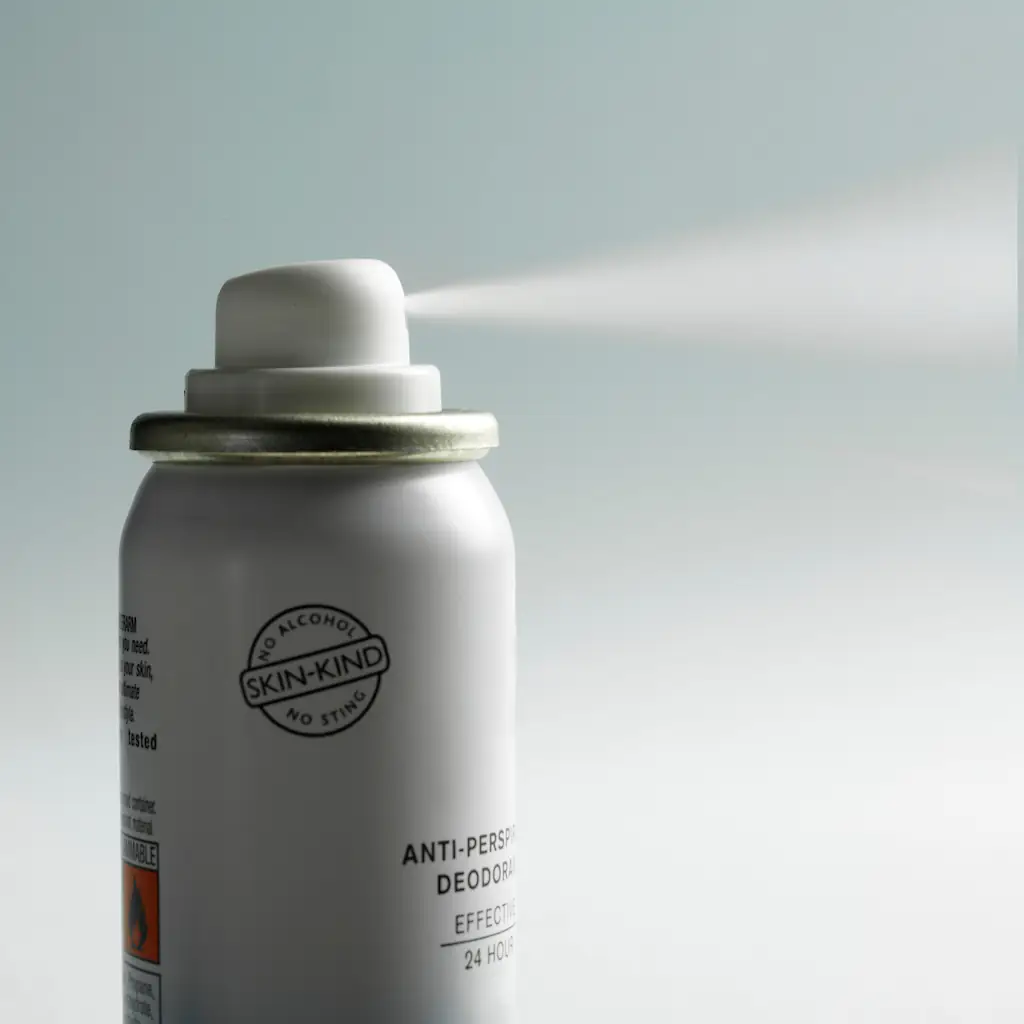
A teenage girl sadly died after accidentally breathing in deodorant in her bedroom while her parents were downstairs.
Giorgia Green, 14, from Derby in the UK was in her bedroom at the family home when that tragic accident occurred, prompting her parents to raise greater awareness of the dangers of solvents.
The 14-year-old was perfectly healthy when she went upstairs on May 11, 2022, but later that evening she was found unresponsive by her older brother.
Giorgia had sprayed her blanket with aerosol to make it smell nicer before wrapping herself tightly inside where she tragically died due to a cardiac arrest.
A Just Giving page has been set up by her parents Clare and Paul Green and the donations will be put toward spreading awareness of the dangers of aerosol products.
The parents penned: "Due to our own tragic circumstances we want to educate others and raise awareness to help protect you, your family, and friends.
"Giorgia Almira Green (our 14yr old daughter) went to her room on 11th May 2022. When mum went up to her as it was time for them to go out to Giorgia's drumming lesson, Giorgia was non responsive.
"No illness, no sickness, no warning. A perfectly healthy fit child who has never been seriously ill."
The parents continue that Giorgia was perfectly healthy and her death came completely out of the blue, before revealing their daughter had used too much aerosol spray.
Paul revealed that his daughter had autism and the smell of deodorant comforted her. Speaking to the BBC he shed further light on the tragedy: "The exact amount [of deodorant] isn't clear but it would be more than you would normally spray. At some point, her heart stopped as a result of breathing it in.
"Please help us spread the word that toxic/poisonous chemicals and gases in aerosol cans CAN KILL," the fundraising page continued. "What we really want is to raise awareness about the dangers of aerosol products in the home. This hopefully could prevent further tragedies happening again."
The story was shared by the BBC, and a spokesperson for The British Aerosol Manufacturers' Association gave their view on the tragic accident.
"The British Aerosol Manufacturers' Association (BAMA) takes very seriously any incident involving aerosol products, and we were deeply saddened to learn of the death of someone so young," they began.
"As an industry association we work with manufacturers to ensure that aerosols are made to the highest safety standards and are labeled with very clear warnings and usage instructions and recommend that anyone using an aerosol does so in accordance with the manufacturer's instructions.
"We also recommend applying a number of additional warnings and usage instructions, beyond those required by regulation, and continue to review these to encourage the safe use of aerosols."
At the time of writing, the fundraising page in honor of Giorgia has raised just over £3,400 ($4,100) of the £4000 ($4900) target.
Our thoughts are with Giorgia's family and friends at this tragic time.
health4 min(s) read
A woman who was diagnosed with a "one in a billion" form of cancer has opened up about the symptoms that her doctors missed.
Gianna Cericola was living her life like any other fitness-obsessed 20-something - hitting the gym, loving the outdoors, and working as a graphic designer - until everything flipped upside down.
The 28-year-old from Philadelphia started 2024 with what felt like standard UTI symptoms: a burning sensation when going to the bathroom and some strange stomach pain.
"The first kind of symptoms that I experienced were kind of like a UTI-related symptom, like a lot of burning when I went to the bathroom and just, like a lot of weird stomach pain in general,” she explained in an interview with YouTube channel The Patient Story.
Gianna headed to the ER where doctors performed an ultrasound, found nothing concerning, and sent her home.
“They didn't see anything… So they sent me home,” she said. “I would say about six months later, for those six months, I was totally fine, I felt normal, it was, like, really, really weird how the symptoms kind of just went away.”
But then things took a sharp and terrifying turn. She started randomly fainting, and it wasn’t a one-time event.
“Six months later, I just randomly started passing out - which never happened. Like, that's not normal for me.”
Despite several ER visits, doctors initially dismissed it as fatigue. But during one last ultrasound, they finally spotted it - an eight-centimeter mass in her abdominal cavity.
At first, doctors said it looked like a cyst on her ovary and told her there was "nothing to worry about."
Then things changed.
“They rushed me into surgery because the tumor started bleeding. So, I was passing out from just internal-bleeding in general,” Gianna said.
When she woke up from the emergency surgery, her world shattered.
“I came out of surgery and they told me that it was cancer but they don't know what kind of cancer it was,” she recalled.
“I waited about... it was like a really long time, I would say like a month for my diagnosis - they weren't really sure. It came back unclassified, and I was super scared.”
Eventually, doctors diagnosed her with desmoplastic small round cell tumor (DSRCT), a rare and aggressive form of sarcoma that has only been seen in about 200 people worldwide since it was first identified in 1989, per the Daily Mail.
Gianna was 27 when she received the news.
“It's such a rare kind of cancer, I heard it affects one in one billion people. So I was like, ‘I don't know how to feel about this’. It's kind of crazy.”
The disease, which typically hits young men between 20 and 30, presents vague symptoms like abdominal pain, constipation, a swollen belly, and unexplained weight loss - making it hard to detect.
The Cleveland Clinic reports a five-year survival rate of just 15% to 38%.
Gianna is now deep into a grueling seven-month chemotherapy regimen at Fox Chase Cancer Center.
“What that looks like is I'll be going to hospital for two days and then it's ten days out. The next cycle is in the hospital for five days, and then I have two weeks at home,” she said. “So that's what my chemo schedule looks like right now up until I think about like mid August.”
In between treatments, she’s coping with bone pain, hair loss, and an annoyingly constant runny nose caused by the chemo.
But she’s also doing everything she can to hold onto pieces of her life before cancer. She even completed IVF treatment to preserve her fertility in hopes of becoming a mom someday.
“My mindset at first was like, I was just so scared,” she said. “[I thought], is this the end? I don't know how much longer I have. But I feel like recently, like just focusing my mind on other things as much as I can, like, just helps so much.
“Putting my focus on other things just gives me so much more hope,” she added. “It's really important for me to share my story, just so other people that are going through this can see it and [have] hope. I feel like I want to, give as much people hope going through this as I can.”
To help cover her mounting medical expenses, Gianna launched a GoFundMe page.