


Stories3 min(s) read
Rhinos are having their horns dyed in order to protect them from poaching
.webp_vBqgAR?tr=cr-242.0.1293.1051,f-webp,q-70,w-100)
This article has been published in partnership with #DifferenceMakers.
One of the greatest threats facing African rhinos in recent years is poaching.
Despite the illegal practice being a prevalent issue throughout Africa, the WWF reports that between 2007 and 2014, the poaching of rhinos in South Africa soared by an alarming 9,000%.
And although security patrols in the region work tirelessly to defend them from these poachers, the hunters persist with their deadly trade, utilising sophisticated technology like night-vision cameras and helicopters to ensure their kill.
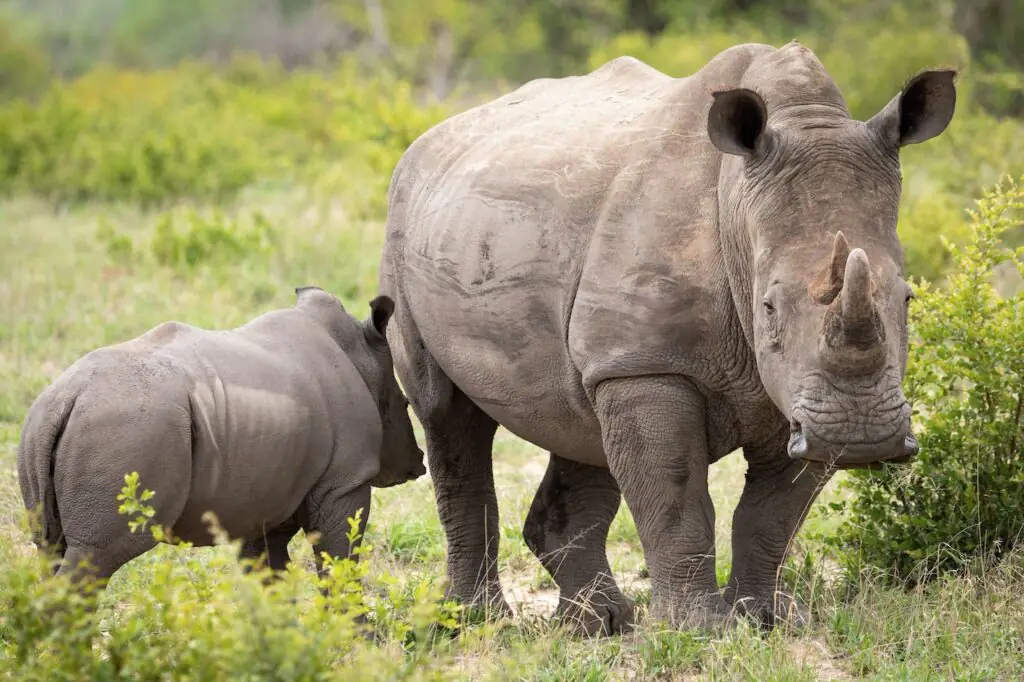
The market for rhino horns is substantial. In traditional Asian medicine, the horns are turned into a powder and used to treat a range of ailments — from headaches to cancer. In some cultures, the horns are viewed as a symbol of wealth, and because of this, the trade will not stop until drastic action is taken.
Thankfully, the Rhino Rescue Project is willing to do what it takes to save these animals from further harm. As reported by Difference Makers, the organisation is making phenomenal strides where animal rights are concerned.
The Rhino Rescue Project has come up with a very promising anti-poaching strategy that aims to drastically reduce the price tag of rhino horns and, in turn, deter poachers for good.
The relatively simple idea sees the rhino horns treated with a compound of ectoparasiticides and indelible dye. This not only makes it worthless to collectors, but also renders it useless for medicinal purposes.
Ectoparasiticide is a drug typically used to kill parasites resting on the surface of certain animals. According to the Rescue Rhino Project, ectoparasiticides are not lethal to humans in small amounts, however, if ingested, they can cause severe nausea, vomiting, and convulsions.
Additionally, the compound poses absolutely no risk to the rhinos.
The dye is infused with the aid of a high-pressure pump - a process that takes around 10-15 minutes. During the process, the horns are essentially poisoned with toxins, and so are of little value.
Those of us who wish to see rhino population numbers thrive once again owe a lot to the incredible team behind the Rhino Rescue Project, whose innovative thinking may just pave the way for the end of rhino poaching as we know it.
Fortunately, the Rhino Rescue Project is far from the only organisation that strives to make our world a better place.
Difference Makers is sharing powerful stories of ways in which engineering and technology are saving our planet one step at a time
If you’re someone who is passionate about bettering our environment and would like to discover more of the groundbreaking ideas and technology being used to do so, find out more about Difference Makers here.
Or you can follow Difference Makers on Instagram, TikTok, Facebook, and Twitter.