


Uplifting1 min(s) read
Watching cute animal videos is good for your health, according to science
.jpg_I4Ebof?tr=cr-0.338.2730.3068,f-webp,q-70,w-100)
If you're anything like me, 2020 has taken its toll on your mental health. But one thing that's really helped me to get through are my pets, and, of course, the countless pets on the internet.
When it all gets too much, nothing brings a smile to my face more than seeing an animal being adorable on TikTok or taking a scroll through the latest Insta-famous pooch's account.
Now, it turns out that science has proven that watching cute animal videos is good for your health!
The brilliant but unsurprising finding was made by a study conducted by the University of Leeds in partnership with Australia Tourism, and it looked at how animal content affects a person's stress and anxiety levels.
Cora the cute two-legged dog has learned to bounce around:
[[jwplayerwidget||https://content.jwplatform.com/videos/qozp78iG-YXhMkIor.mp4||qozp78iG]]
Dr. Andrea Utley, an associate professor at the University of Leeds, compiled the footage of the adorable animals.
"There were some kittens, there was puppies, there were baby gorillas. There were quokkas. You know - the usual stuff that you would expect," Utley told CNN.
A quokka is a cute, tiny bear-like creature that's native to Western Australia and it's often been described as "the world's happiest animal."
[[twitterwidget||https://twitter.com/RedJules4/status/1310081158319808513]]
The December 2019 sessions involved 19 subjects (15 students and four staff) and they took place during the winter exam period when stress levels are typically higher for students, Utley reported.
Half an hour after watching the video, participants' blood pressure, heart rate, and anxiety, all reduced.
When people interacted with animal content, their blood pressure dropped from 136/88 to 115/71, which is now "within ideal blood pressure range", and average heart rates reduced by 6.5% to 67.4 bpm.
According to the American Psychological Association, anxiety rates reduced by 35%, the State-Trait Anxiety Inventory found, which is typically used to diagnose anxiety in clinical settings.
"I was quite pleasantly surprised that during the session, every single measure for every single participant dropped some - heart rate reduced, blood pressure reduced," Utley said. "When they left, they filled the questionnaire in again and indicated that they were feeling less anxious."

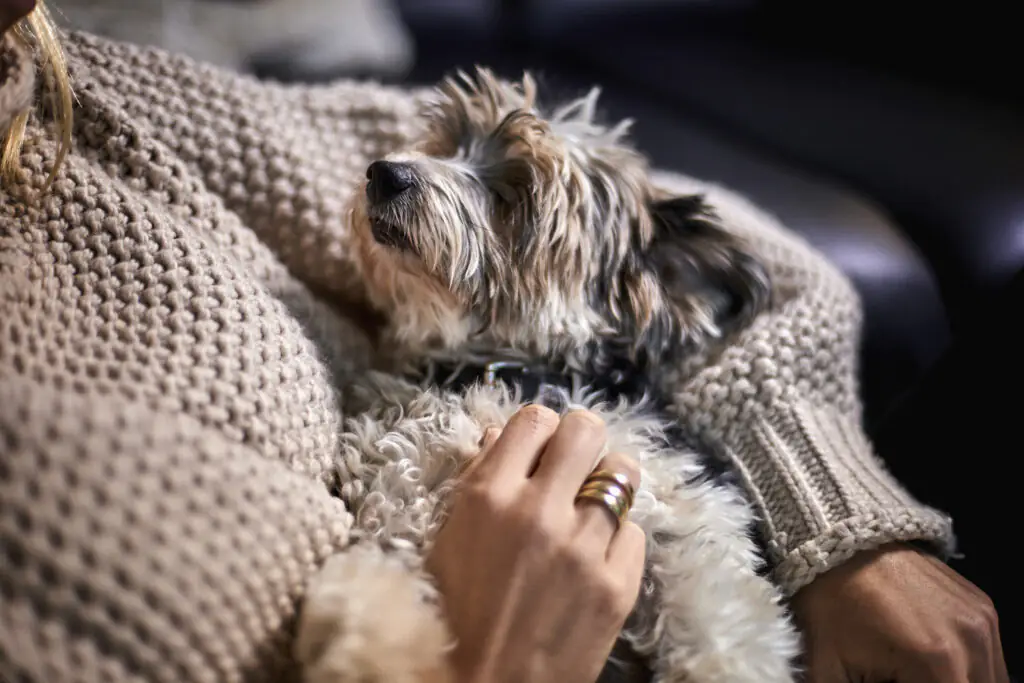
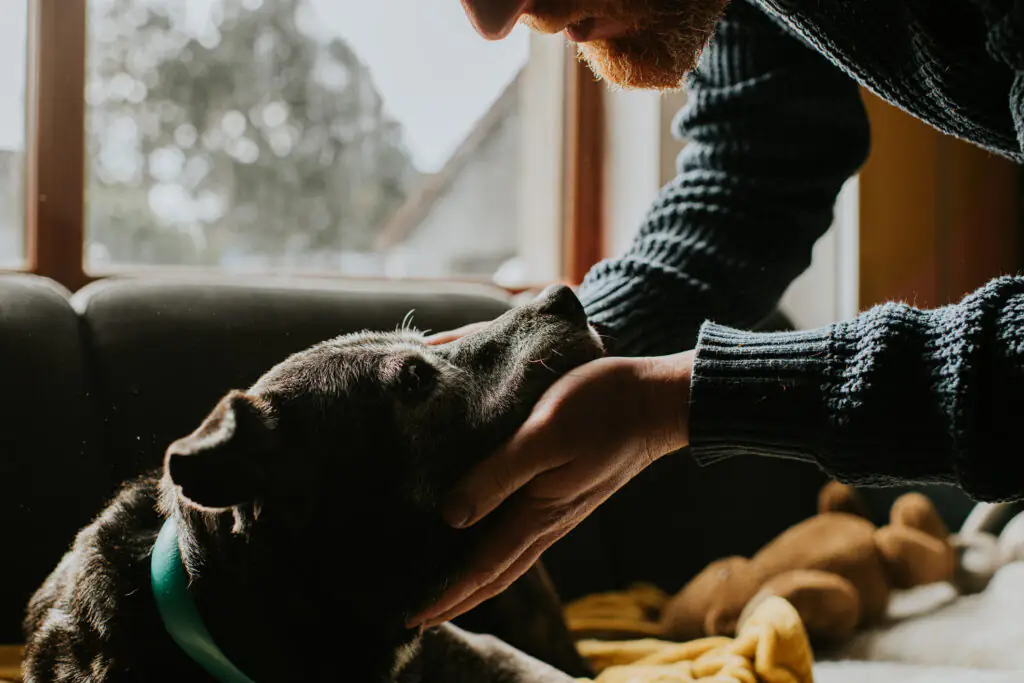
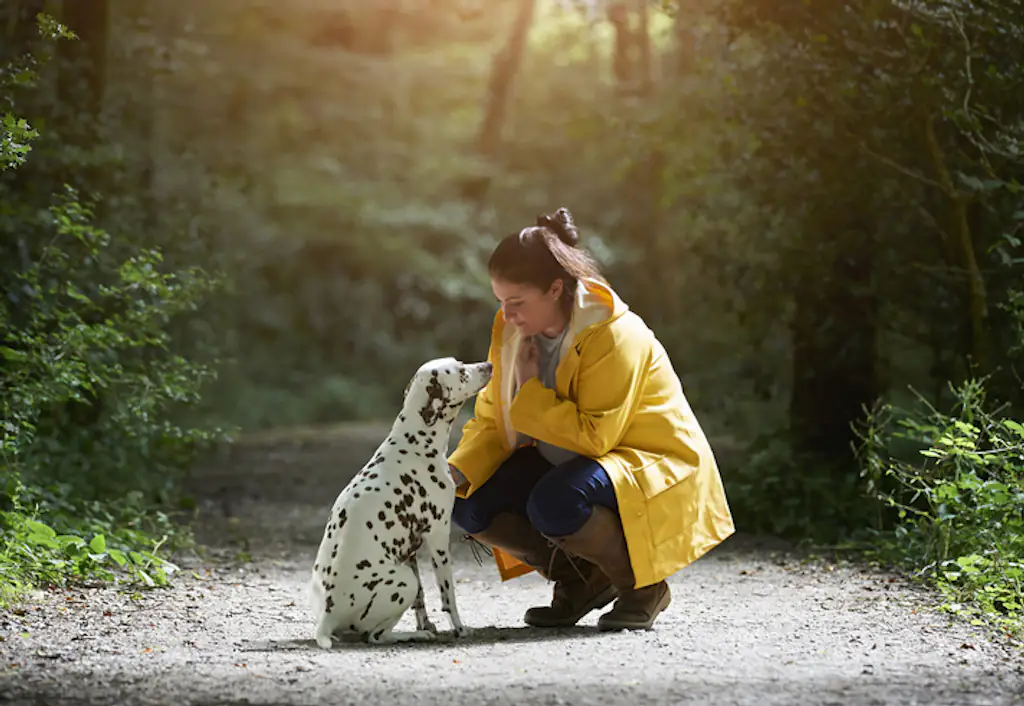
Participants in the study were asked if they preferred video clips to still images and the overwhelming response was video clips, with particular favor given to clips of animals interacting with humans.
Utley was aiming to conduct eight sessions in this study, but unfortunately, she was unable to because of the ongoing pandemic, but she hopes to conduct more in person next year.
However, Utley does want to keep investigating the issue, and she's currently looking into online options to keep it going in the meantime.









.jpg_I4Ebof?tr=cr-0.338.2730.3068,f-webp,q-70,w-1024)


