Whilst we have all heard of the dangers than can arise from extreme dieting, comparatively little is known about orthorexia. Rarely put in the same camp as eating disorders such as anorexia and bulimia, orthorexia refers to a condition wherein sufferers become obsessed with achieving an overarching sense of health and wellness.
Instead of trying to achieve the perfect body or weight, those with orthorexia are fixated on maintaining a healthy diet. As a result, they may avoid certain foods or food groups containing artificial colours or flavourings, animal or dairy products and even excess fat, sugar and salt.
The rise in orthorexia can in part be attributed to the prevalence of social media platforms such as Instagram which often purport unrealistic ideals of "wellness". Just take a scroll through the photo-sharing app, and I'm certain you will come across several, nay, dozens of pictures of beautiful, lithe women clutching green juices, claiming to exist on a diet solely consisting of avocado, kale and chia seeds.
Whilst the risks of adopting such diets are not yet well-known, more and more cases are coming to light of women who have endangered their health by going on such extreme diets. Certainly, a 25-year-old bodybuilder died after her body was unable to process her intense, protein-dense diet.
Meegan Hefford was preparing to compete in a body-building competition in her native Western Australia at the time of her tragic death in June.
The mother-of-two was unaware that she suffered from a rare genetic disorder called urea cycle disorder which prohibited her body from breaking down protein properly. This became a serious threat to her health when she started to observe a strict diet of high-protein food in the run up to the competition.
Hefford attended the gym twice a day and often feasted on egg whites, protein shakes, lean meat and protein supplements. But unbeknown to Hefford, her body was having serious trouble trying to break down all the protein she was ingesting.
This allowed the toxic waste product ammonia to build up in her blood stream, leading to her eventual death. Significant amounts of ammonia can cause a loss of brain function and symptoms include disorientation, drowsiness and confusion, as well as strange behaviour and personality changes.
Although Hefford had reportedly complained to family members about feeling "weird" and fatigued, they had understandably chalked it all down to all the exercise she had been doing. It was only when Hefford was found unconscious in her apartment a few weeks later by an estate agent that her loved ones realised that something far more significant was at play.
Hefford was taken to hospital on June 19 but was pronounced dead three days later after losing all activity in her brain.Whilst urea cycle disorder is listed on Hefford's death certificate, doctors also chose to highlight that her death, can in part, be attributed to her "intake of bodybuilding supplements".
Hefford's family are consequently trying to raise awareness about the dangers of consuming such supplements. Talking to a local news station, Hefford's mother, Michelle said, "I know there are people other than Meegan who have ended up in hospital because they’ve overloaded on supplements."
Hefford's family opted to donate her heart, lungs and kidneys to those who require organ donation. Despite occurrences like this being incredibly rare, Meegan Hefford's case really does highlight the need for us all to be mindful of what we are consuming. Regardless of how "healthy" it claims to be, an extreme diet or exercise routine can never be entirely devoid of repercussions.
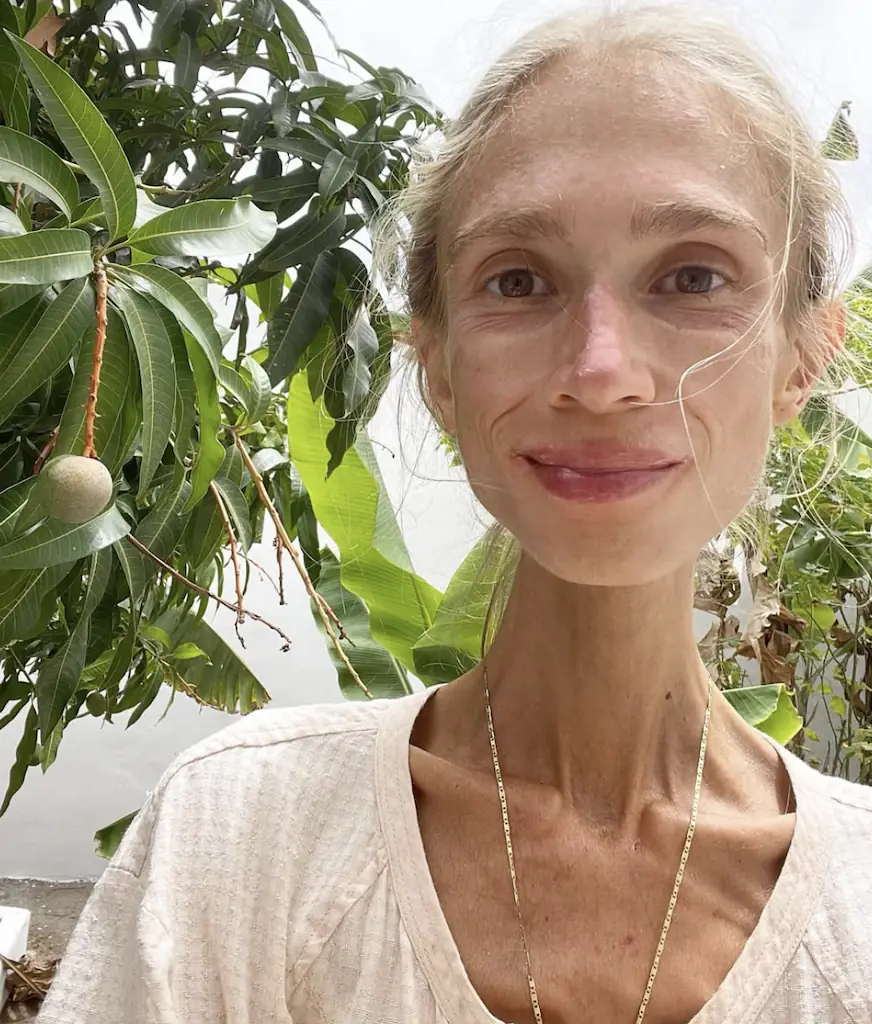
A university student from the UK, who became obsessed with an extreme "fruitarian" diet, tragically died in her hotel room in Bali, weighing just 3.5 stone.
Karolina Krzyzak, originally from Warsaw, Poland, had adopted a raw-fruit-only diet when she was 19.
Over the years, the 27-year-old's obsession with body image and "clean eating" gradually deteriorated her health, ultimately leading to her death.
Karolina Krzyzak passed away at the age of 27. Credit: Instagram
The Fruitarian Diet and Its Devastating Impact
Karolina started her journey into veganism and then fruitarianism while studying at Leeds University.
The diet is known for its extreme restriction of essential nutrients, including protein, fats, and omega-3s, The Mirror reported.
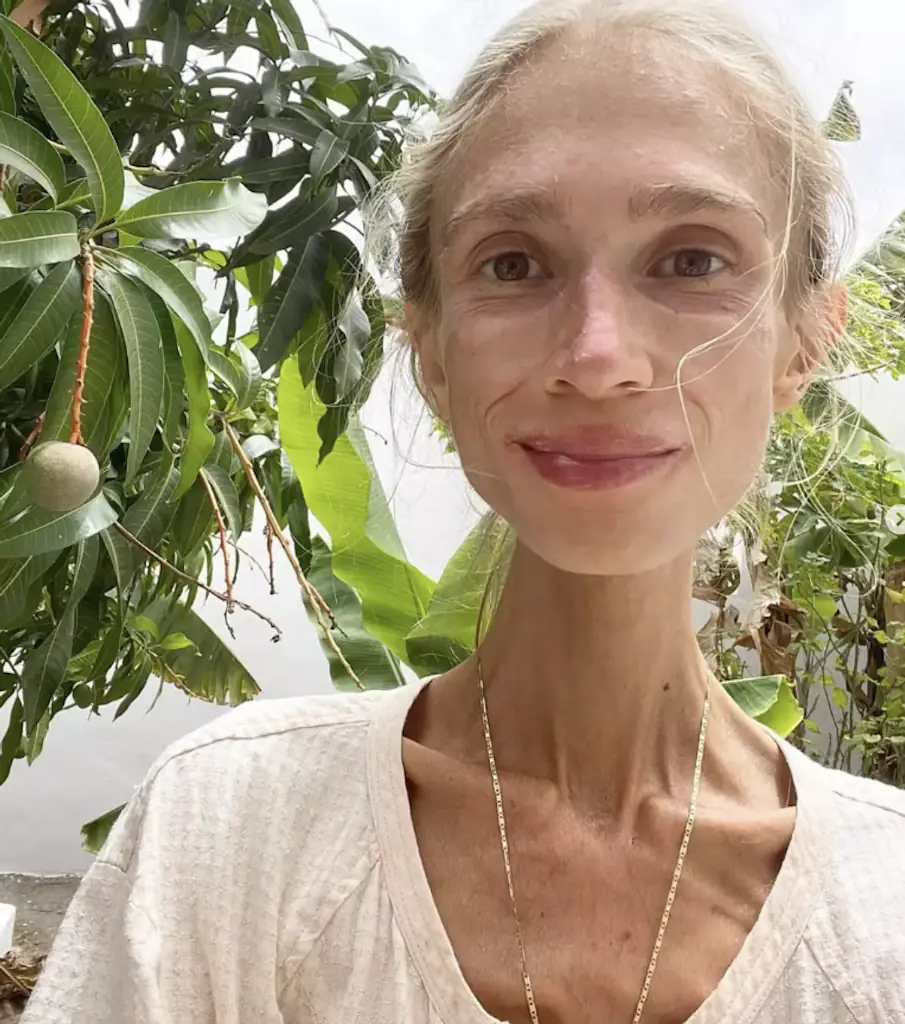
The young woman became increasingly fixated on this diet and her body image, regularly posting images of her thin frame and smoothie bowls on Instagram.
Karolina's health began to decline significantly. Her online friend, Emilia, revealed that she developed osteoporosis, and an albumin deficiency led to oedema, causing swelling in her feet.
Despite these warning signs, she refused medical help, instead opting to stay true to her fruitarian lifestyle.
Friends noted her alarming physical decline, with one recalling that Karolina confided in her that her family thought she had been “brainwashed by vegans and social media".
"She needed medical and psychological help, and the community often validated her behaviours instead," the friend shared.
Karolina Krzyzak was just 19 when she began an experimental 'fruitarian' diet, eating nothing but raw fruits. Credit: Instagram
Health Deteriorates Further in Bali
In 2024, Karolina traveled to Bali, hoping to connect with other fruitarians in Ubud, a hotspot for raw-vegan enthusiasts.
However, by the time she arrived at the Sumberkima Hill resort in December, her condition had deteriorated to the point where she could barely maintain her balance.
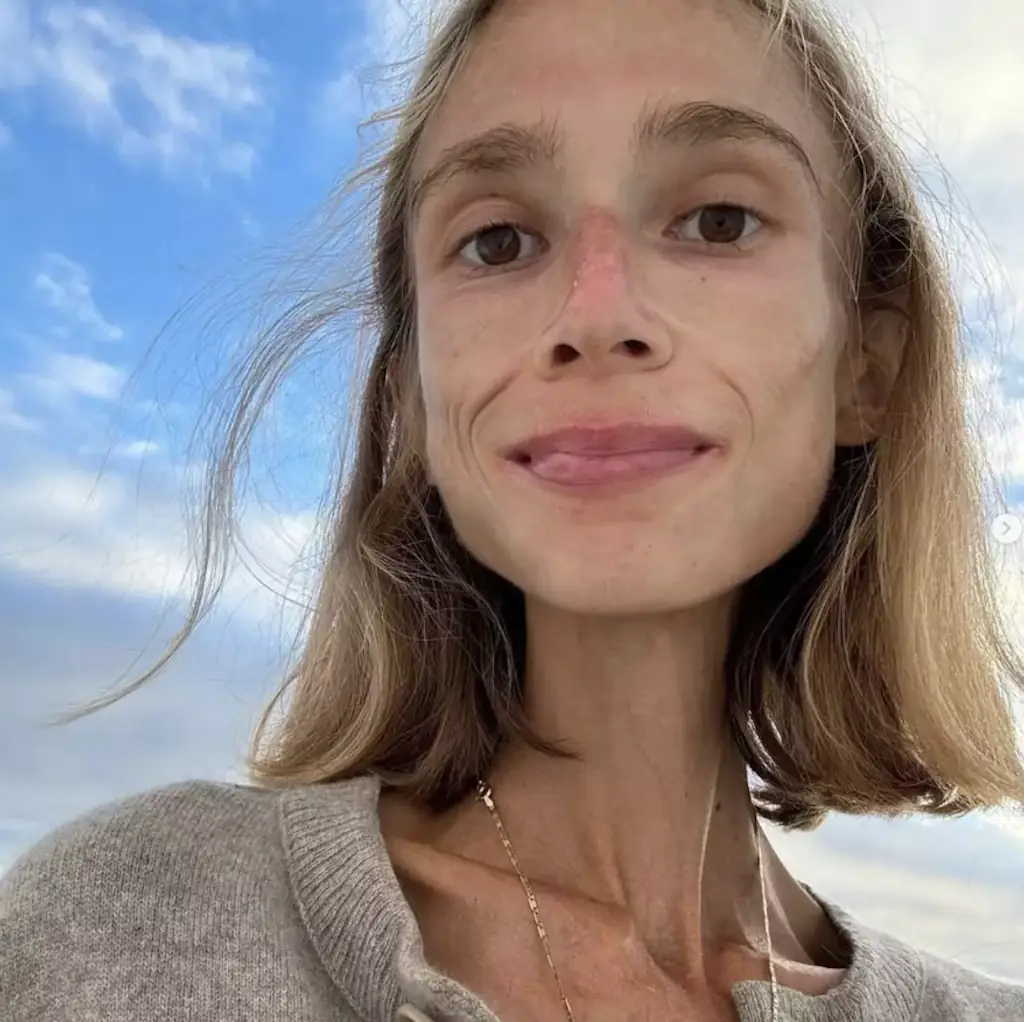
Hotel staff described her as “emaciated,” with sunken eyes and her collarbone visibly protruding. The night clerk even had to assist her to her room as she couldn’t support her own weight.
Despite her severe state, Karolina instructed hotel staff to only serve her fruit and bring meals directly to her door.
According to The Daily Mail, over the next few days, she rarely left her room, though staff continued to deliver her fruit. She would occasionally sit on the veranda, but eventually, she lacked the energy even for that.
After a few days of silence, a local acquaintance from a raw-vegan café in Ubud, who had planned to meet with Karolina, became worried when she didn’t hear from her.
When staff checked on her, they discovered her lifeless body in her hotel room.
Struggles With Family and Health
After the university student's family noticed her drastic weight loss, they urged her to return home and seek treatment for what appeared to be an eating disorder.
However, she quickly resumed her fruitarian lifestyle even after spending time in an inpatient clinic in 2018.
Many people have now shared their condolences on the late woman's Instagram page, where she boasts 2,320 followers.
"Caro, you will be missed. May your soul finds peace now," one user said. "My condolences. Even if I didn't know you, I'm saddened to know I never did," another said.
Our thoughts are with Karolina's loved ones at this time.
A British student has tragically died in Bali after following an extreme “fruitarian” diet, leaving her weighing just 3.5 stone at the time of her death.
Karolina Krzyzak, originally from Poland but a former student at the University of Leeds, had been experimenting with restrictive eating for almost a decade before she was found dead in her hotel room in December 2024.
The 27-year-old checked into the Sumberkima Hill resort in Bali, requesting that only fruit be delivered to her villa. But staff were left alarmed by her frail appearance. Witnesses described her as “emaciated,” with sunken eyes, protruding bones, and so weak she needed help to reach her room, per the Daily Mail.
When staff urged her to see a doctor, Karolina repeatedly refused. Within days, she was dead.
A long battle with food and body image
Karolina’s struggles had started in her teens, when she developed anorexia. At 15, she posted online: “Why do you cry? ‘Cause I’m fat.”
Credit: @carolina.mariie / Instagram.
After moving to Leeds for university, she became immersed in the wellness scene; yoga, veganism, and eventually raw vegan and fruit-only diets. She often posted bowls of berries and smoothie pictures on Instagram, where thinner photos of her body attracted praise and validation from followers.
By 2017, she was messaging vegan influencers asking if fruit could “heal” her anorexia and bring her period back. Soon she was eating nothing but raw fruit.
Doctors warn that such diets are dangerous. A fruitarian diet excludes protein, fats, and essential nutrients, leaving the body at risk of malnutrition, organ damage, and bone loss. Karolina herself suffered rotting teeth, yellowing fingernails, and osteoporosis before her death.
The Bali trip that turned fatal
Friends say Karolina dreamed of moving to Bali after years of family conflict and unhappiness in Warsaw. The island’s wellness community (filled with yoga retreats, raw cafés, and detox camps) had become a hub for fruitarians and digital nomads.
In September 2024, she finally made the move, Kursiv Media details. But her health was already deteriorating. One raw-vegan coach who met her in Ubud recalled she looked like she weighed no more than 60 pounds.
By December, she could barely stand unaided. Hotel staff described helping her turn in bed because she lacked the strength to move herself. When they eventually entered her villa after a concerned friend raised the alarm, they found her dead. Her skin was mottled, her hair grey.
Credit: @carolina.mariie / Instagram.
The dangers of online “clean eating”
Karolina’s story highlights how vulnerable people battling eating disorders can be drawn deeper into harmful wellness trends online.
Friends later admitted they felt “guilty” for encouraging her. One, who has since abandoned fruitarianism, told The Cut: “She needed medical and psychological help, and the community often validated her behaviours instead.”
Karolina’s tragic end has reignited warnings from health experts about extreme diets pushed by influencers. Nutritionists stress that fruit-only eating is not sustainable and strips the body of vital nutrients.
As one former friend put it: “She thought she was healing. In reality, she was starving herself to death.”
Featured image credit: @carolina.mariie / Instagram.
In a world increasingly driven by social media and idealized body images, a growing number of young men are developing a condition known as "bigorexia".
With the number of cases on the rise, experts are speaking out about the signs and dangers of the condition, and how parents and guardians of young men and boys can be on the lookout and support loved ones.
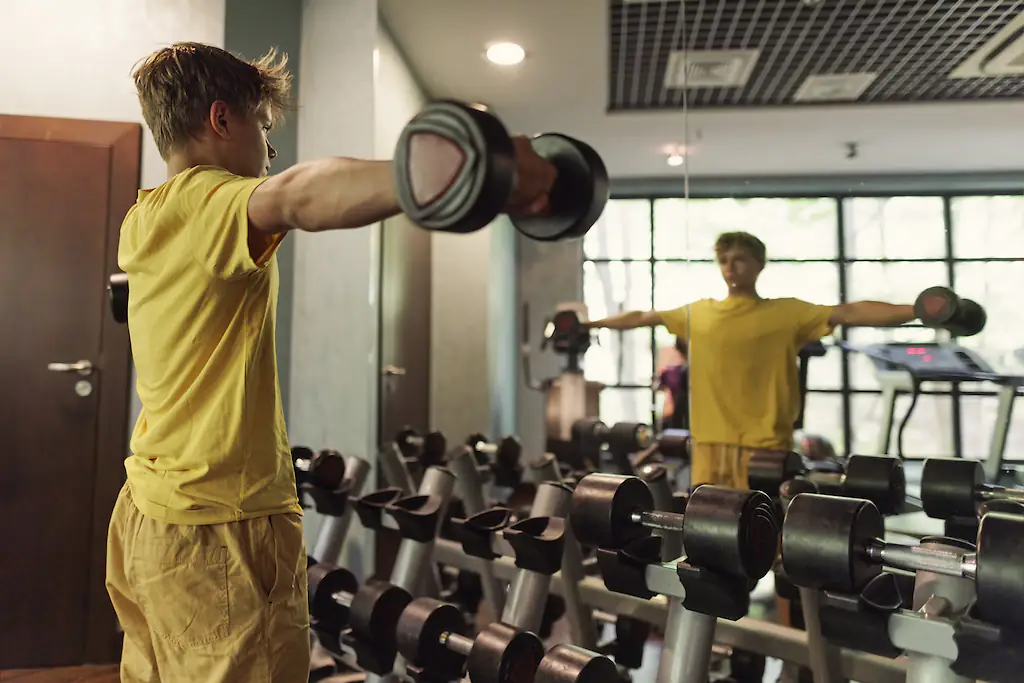
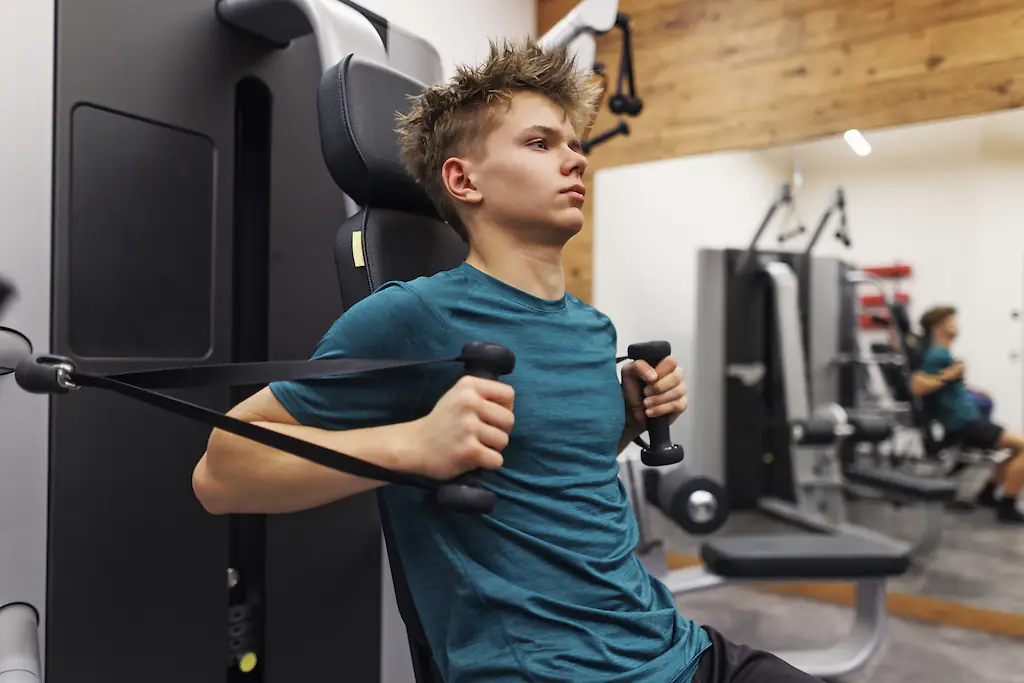
'Bigorexia' is impacting more and more young people. Credit: Imgorthand / Getty (Stock Photo)
This psychological disorder - classified as a form of body dysmorphic disorder (BDD) - is also known as muscle dysmorphia, and causes individuals to believe they are too small or not muscular enough... even when they may already possess an impressive physique.
Understanding Bigorexia
Bigorexia - which is also known as "Adonis complex", "reverse anorexia", and "megarexia" - is often marked by compulsive exercise, extreme dieting, and in some cases, the use of performance-enhancing substances.
Despite its prevalence, bigorexia remains underdiagnosed, especially among young men.
According to clinical psychologist Amy Gooding from the Eating Recovery Center, those suffering from the disorder often have a distorted perception of their bodies, believing they are not muscular enough.
“This belief and subsequent preoccupation can lead to unhealthy behaviors, including obsessive exercise, and may lead to changing one’s eating to be as lean as possible,” Gooding explained to HuffPost.
The condition is more common in boys than girls, but anybody is at risk. Credit: Imgorthand / Getty (Stock photo)
The National Alliance for Eating Disorders describes some of the key behaviors associated with the condition: "Compulsive and excessive exercise, especially workouts that build muscle, such as lifting weights.
"Restricting calories or categories of food. Excessive consumption of protein. Preoccupations with body shape, body size, eating, and disordered relationship to exercise and food."
A Growing Epidemic
While eating disorders like anorexia and bulimia have long been recognized, muscle dysmorphia has only recently gained attention.
A 2019 study cited by HuffPost found that 22% of adolescent boys engaged in “muscularity-oriented disordered eating behaviors,” such as excessive dietary restrictions, supplement use, and even steroid consumption in an effort to bulk up.
Experts warn that bigorexia is a particularly insidious disorder because many of its behaviors — such as extreme weightlifting and high-protein diets — are normalized in fitness culture.
“Muscle dysmorphia can be overlooked for several reasons — one being that it can lead to behaviors often encouraged in the weight room,” Gooding said.
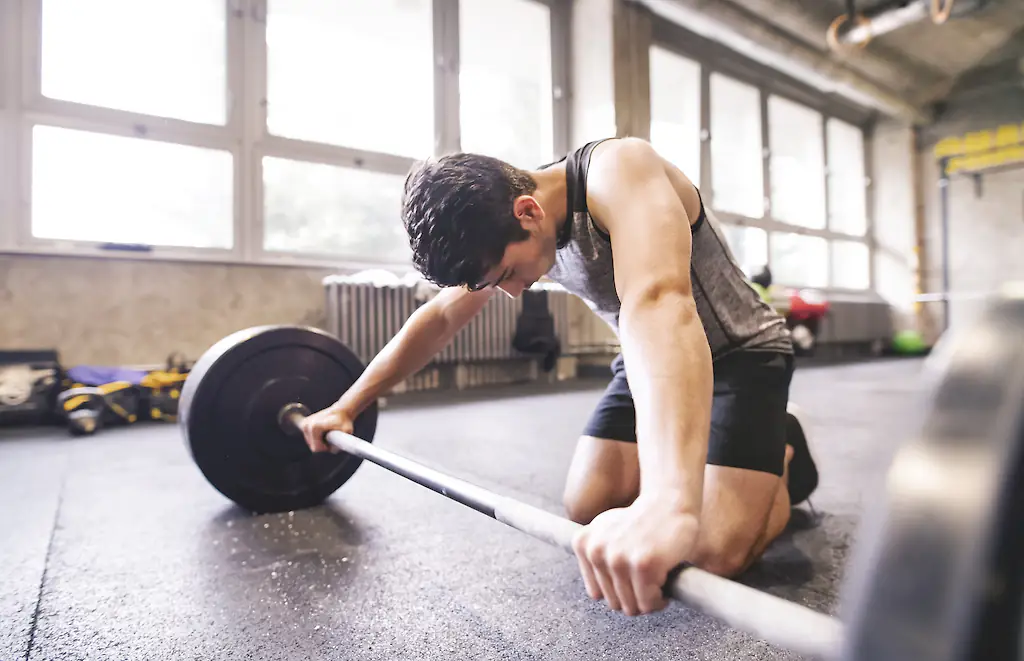
Experts have shared the key signs to look out for. Credit: Westend61 / Getty (Stock Photo)
How Social Media Fuels Body Dysmorphia
Social media platforms have amplified unrealistic body expectations, making it easier for young men to compare themselves to influencers, bodybuilders, and celebrities who present an idealized version of masculinity.
According to NextStep Solutions, the trend is directly linked to social media consumption, as they state: "With the proliferation of social media platforms such as Instagram, TikTok, and YouTube, amateur bodybuilders are more popular than ever. Glorifying high protein diets and #gains, this new breed of influencers is perpetuating a whole new standard of male aesthetic."
“Studies indicate that standards of beauty are overwhelmingly ingested from popular culture. And today’s popular culture has been supersized," NextStep Solutions author Darice Warren writes. "Today, paragons of male strength are more massive than they have ever been before.”
Dr. Jason Nagata, a pediatrician specializing in eating disorders, agrees.
“Not only are young people consuming body ideals from the media, but they feel pressure to produce content and display their own bodies on social media,” Nagata told HuffPost.
He noted that influencers and celebrities often make a living off their physique but have access to trainers, chefs, performance-enhancing substances, and editing tools that give them an unrealistic and often unattainable look.
“Most 15-year-old kids don’t think about these facts when they see images of actors like Hugh Jackman looking ripped. Instead, they might develop dissatisfaction with their own bodies,” said psychology professor Joseph J. Trunzo of Bryant University.
Who Is at Risk?
Although bigorexia is most commonly seen in men, anyone can develop the disorder.
Research suggests that individuals with a family history of mental health conditions, low self-esteem, or perfectionist tendencies are at higher risk.
Young women are also at risk. Credit: South_agency / Getty (Stock Photo)
Competitive athletes, bodybuilders, and people who lift weights to change their appearance are particularly vulnerable, according to Nagata.
“Athletes who lift weights to change the appearance of their bodies are at higher risk than those who focused on improving performance,” he said.
Bullying and trauma can also contribute to the development of muscle dysmorphia, especially if an individual has been mocked for their body in the past.
Recognizing the Warning Signs
Experts urge parents and peers to be aware of red flags that indicate a person may be struggling with bigorexia. Some of the most common warning signs include:
Obsession with exercise—skipping social events or responsibilities to work out
Extreme dietary changes—rigid eating habits, excessive protein consumption, or avoiding entire food groups
Excessive mirror-checking—frequent body checking and dissatisfaction despite visible muscle growth
Use of steroids or supplements—engaging in unsafe practices to increase muscle mass
Social withdrawal—isolation from family and friends due to preoccupation with appearance
Nagata warned that these behaviors can “worsen quality of life and impair social, school, or daily functioning.”
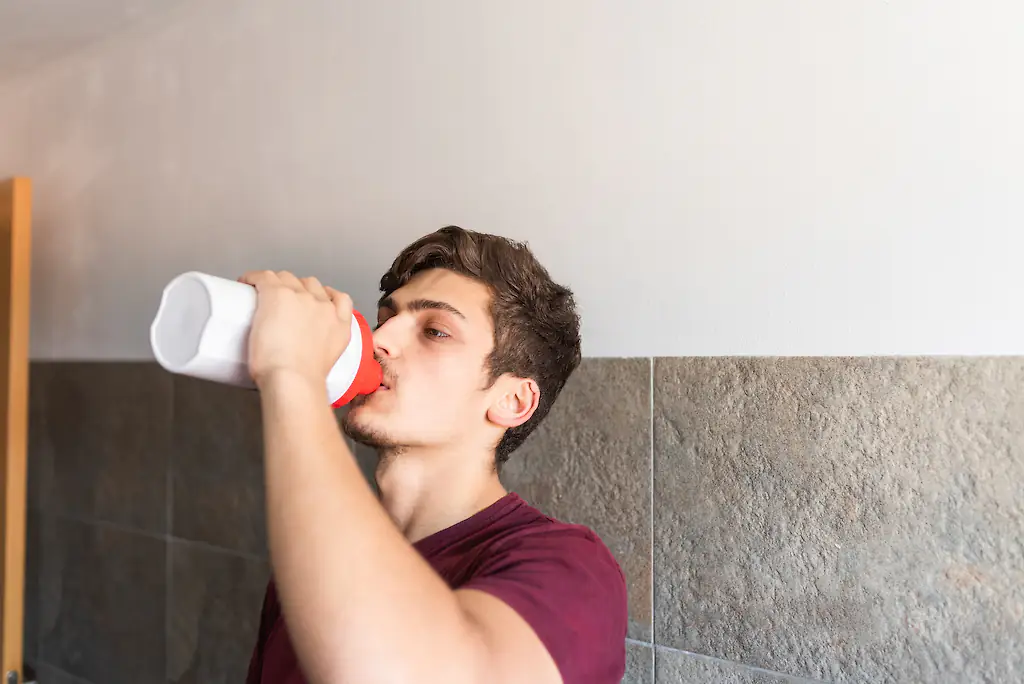
More and more young people are consuming whey protein powder in their diets.Credit: Jordi Janau / Getty
Regarding dietary habits, a recent study by the University of Toronto, cited by Consumer Affairs, revealed that 55–80% of adolescent boys and men and 33–50% of adolescent girls and women regularly consume whey protein powders within their diets.
What Can Be Done?
Because bigorexia is a mental health disorder, professional treatment is often necessary.
Therapy — particularly cognitive-behavioral therapy (CBT) — can help individuals develop a healthier self-image and reduce compulsive behaviors.
For parents, experts recommend the following:
Limit social media exposure—but also talk to children about the unrealistic standards they see online
Encourage body diversity—highlight that people come in all shapes and sizes
Challenge unhealthy messaging—call out harmful fitness trends and dieting fads
Promote overall health—focus on strength, energy, and well-being rather than appearance
Therapist Cherie Miller encourages parents to contextualize celebrity transformations for their kids.
Miller tell HuffPost: “I’ve been having conversations with my 9-year-old son like, ‘Let’s read what Hugh Jackman said about what he had to do to transform into Wolverine and look like this.’ It’s a chance to say, ‘This isn’t normal, this isn’t realistic, and this is not something that we should try to attain.’”
If someone is already struggling with bigorexia, early intervention is key.
“Boys with muscle dysmorphia or eating disorders should seek professional help,” Nagata emphasized. “The earlier this is dealt with, the better. Left unchecked, the consequences can be life-altering.”
The Bottom Line
Muscle dysmorphia, once an overlooked disorder, is becoming increasingly common among young men, driven by social media, fitness culture, and unrealistic beauty standards.
While extreme workouts and diets may seem harmless, they can quickly spiral into obsessive and unhealthy behaviors.
Recognizing bigorexia as a serious mental health condition is crucial.
The National Eating Disorders Association stresses that receiving "a diagnosis is only the first step towards recovery from an eating disorder" - so if you or somebody you know is concerned about bigorexia, speak to your doctor or a medical professional.
With the right awareness, conversations, and professional help, individuals can break free from the cycle of self-doubt and obsessive muscle-building — and instead, focus on genuine strength, well-being, and self-acceptance.
Featured image credit: Imgorthand / Getty (Stock photo)
A 22-year-old woman tragically died suddenly while doing barbell squats at a gym in Mexico.
The young woman, identified as Ariatna Lizeth Mata Esparza, was working out at the gym in Torreón, Mexico, when she suddenly collapsed.
Emergency services were quickly dispatched to the scene, but despite their efforts, Esparza was pronounced dead at the gym, per the Daily Mail.
Esparza was on the cusp of beginning her career as a nursery teacher and was awaiting the results of her certification exams on the day of her death.
Known for her love of animals, she frequently shared images of dogs available for adoption on her social media.
An official from the local Attorney General's Office confirmed that an autopsy revealed the cause of death as anoxemia, a condition characterized by insufficient oxygen in the blood.
This condition, the official suggested, may have been triggered by overexertion during her workout.
Additionally, the autopsy indicated that Esparza had suffered a stroke and blood clots.
The exact amount of weight Esparza was lifting remains unclear.
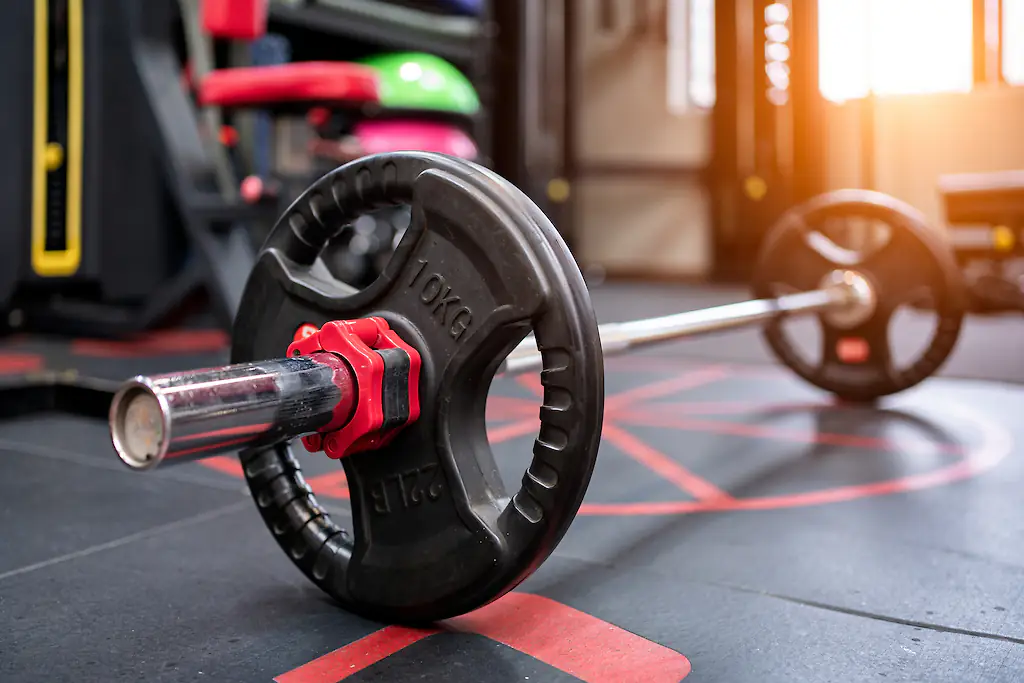
Esparza was performing barbell squats. Credit: Kobus Louw/Getty
Doctors noted that anoxemia is a known risk at high altitudes, such as Torreón, which is situated 3,600 feet above sea level.
The condition occurs when the body uses more oxygen than it absorbs, leading to oxygen deficiency in the blood.
This can result in a dangerous rise in blood pressure, potentially causing a brain hemorrhage or leading to the formation of blood clots.
Individuals who are accustomed to high altitudes typically have a natural defense against conditions like anoxemia, as their bodies produce more hemoglobin to carry additional oxygen in the blood.
Healthline notes: "One form of anoxic anoxia can happen when you’re at high altitudes. Many of its symptoms are usually part of a condition called altitude sickness.
"Exerting yourself when you’re at high altitudes can make the effects of anoxic anoxia worse. This is because, with hard work, your body requires more oxygen but isn’t getting enough from the air."
A similar story occurred in 2022, when Jaramillo Ramírez was believed to have suffered a heart attack while at the gym.
Credit: Ge JiaJun/Getty
Surveillance footage captured the moment Ramírez was performing squats and lifting weights, seemingly under the supervision of a fitness trainer, when she abruptly stopped and collapsed.
Bystanders immediately rushed to her aid, placing her in the recovery position and checking her pulse until paramedics arrived.
Despite their efforts, Ramírez was transported to Santa Teresita Hospital without showing any signs of life. Tragically, doctors pronounced her dead upon arrival.
A young teen from the UK has been left with irreversible brain damage and died after drinking a protein shake, an inquest heard this week.
Rohan Godhania, 16, reportedly suffered "irreversible" brain damage just days after consuming a protein shake his dad bought him at a grocery store, which he'd asked for to help him build up muscle.
Soon after drinking the shake, the teen experienced a stomach ache and vomiting, before his family rushed him to hospital.
Three days later, Rohan was pronounced dead at the hospital, though his cause of death was unknown at the time because he had been an organ donor.
An inquest in London this week heard how the protein shake brought on a rare disorder called Ornithine Transcarbamylase (OTC) deficiency, which can be triggered by a spike in protein. The disease, which is hereditary, stops the breakdown of ammonia, causing it to build up to lethal levels in the bloodstream, per The Children's Hospital of Philadelphia.
According to The Mirror, Rohan's father, Pushpa Godhania, mentioned that Rohan seemed fine after drinking the shake, but during lunchtime, he complained of a stomach ache. Despite not having any other food, he later vomited a few times in the early evening, which did not raise any immediate concerns.
The following day, Rohan's family became alarmed when he struggled to find the table in his bedroom. They rushed him to the hospital, where his condition slowly continued to deteriorate. Eventually, he was transferred to the intensive care unit, where a CT scan revealed significant swelling in his brain. The neurologists determined that operating on him would not be in his best interest. Tragically, Rohan passed away on August 18, 2020.
Due to Rohan's organs being donated for transplantation before his illness was fully diagnosed, a post-mortem examination couldn't ascertain if the protein shake was the cause of his death, as revealed in an inquest held in Buckinghamshire. Shockingly, the individual who received Rohan's organs experienced seizures and had to be rushed to the hospital 13 months later.
Rohan died in hospital three days after consuming a store-bought protein shake. Credit: Getty
Lawyers representing Rohan's family have raised concerns about potential missed opportunities to screen him for ammonia before his passing. During the inquest, it was highlighted that warnings should be added to widely-available protein drinks, a measure supported by a senior neurologist who described it as potentially life-saving.
Testifying at the inquest, Rohan's father explained that he'd only purchased the shake to help him build muscle mass, given that he was quite skinny. It was his belief that Rohan's posture would improve if he gained more muscle. A statement written by the family was read on their behalf, where they described the young teen as highly intelligent and gentle.
The inquest, originally scheduled to continue on Wednesday, has been postponed to allow senior coroner Tom Osborne to review legal submissions before delivering his findings. Mr. Osborne assured Rohan's parents that he would minimize any unnecessary delay and aims to provide his factual findings before the start of the school summer holidays.


.jpg_I4Ebof?tr=cr-0.338.2730.3068,f-webp,q-70,w-100)



.webp_vBqgAR?tr=cr-242.0.1293.1051,f-webp,q-70,w-100)

.webp_QQJmGo?tr=cr-345.0.1535.1190,f-webp,q-70,w-100)




.webp_vBqgAR?tr=cr-242.0.1293.1051,f-webp,q-70,w-1024)

.webp_QQJmGo?tr=cr-345.0.1535.1190,f-webp,q-70,w-1024)

.jpg_I4Ebof?tr=cr-0.338.2730.3068,f-webp,q-70,w-1024)