


Celebrity1 min(s) read
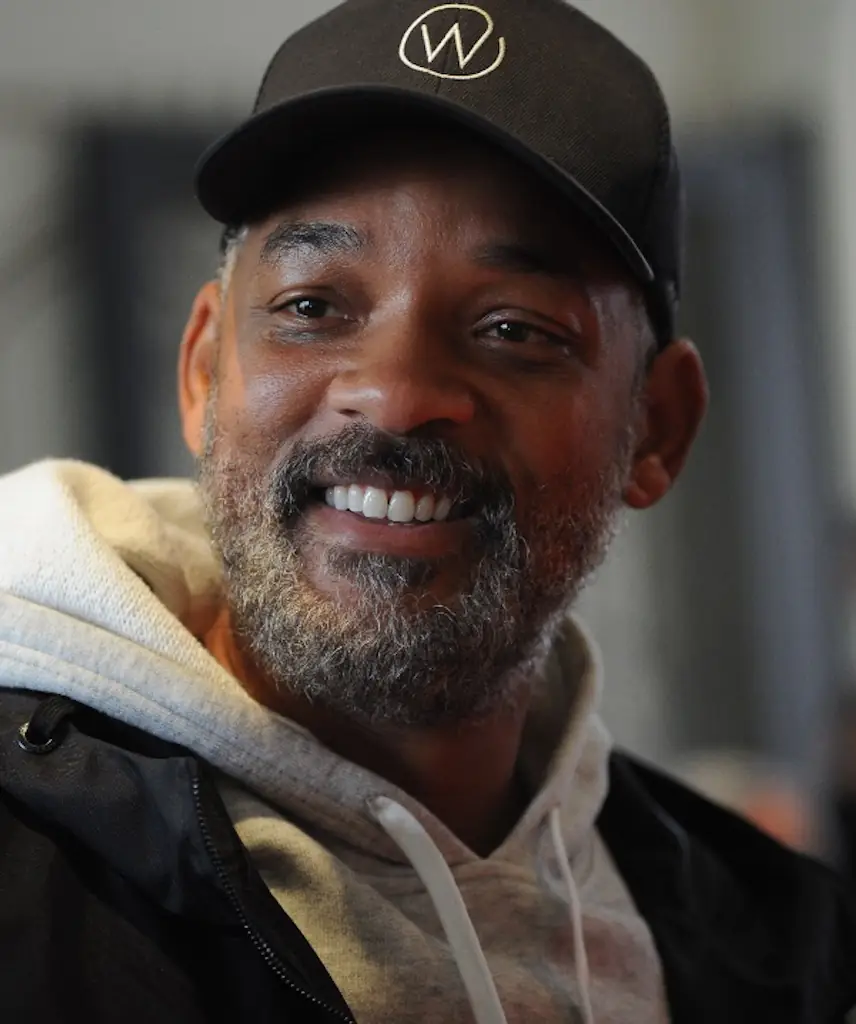
Will Smith opens up about being racially abused by police while growing up
.jpg_I4Ebof?tr=cr-0.338.2730.3068,f-webp,q-70,w-100)
Will Smith has spoken out about his personal experiences with law enforcement and racism, revealing on a podcast that he was called the N-word by police officers more than 10 times while growing up in Philadelphia.
The I Am Legend actor was a guest on the On 1 with Angela Rye Podcast when the lawyer and political commentator asked how he had personally been affected by systemic racism.
Smith disclosed how he had "frequently" been stopped by police and was the target of racial slurs as a young black man, before he went onto explain the disparities he had experienced between him and his white counterparts.
[[instagramwidget||https://www.instagram.com/p/CAk2oQNhCgZ/]]
During the interview, the 51-year-old touched on what it was like growing up as Frank Rizzo's tenure as police commissioner and mayor, describing him as having an "iron hand".
Rizzo was known for his harsh policing when it came to treatment of African-American and LGBTQ+ communities, and since his death in 1991, he has been regarded as a divisive figure known for perpetuating racist beliefs.
In fact, a statue of the former mayor was removed by city officials last month following the reignition of the Black Lives Matter movement after the May 25th death of George Floyd. Before it was taken down, it was vandalized by protestors, who set it on fire and wrapped ropes around it in attempts to topple it.
Watch the interview here:
[[youtubewidget||https://www.youtube.com/watch?time_continue=154&v=-nu5g3AiO4U&feature=emb_logo]]
Opening up about his experiences, Smith told the host: "I’ve been called n***** by the cops in Philly on more than 10 occasions. I got stopped frequently. So I understand what it’s like to be in those circumstances with the police, to feel like you’ve been occupied, it’s an occupying force."
Then, speaking about attending a private Catholic school in the suburbs of the city, he stated that he learned to understand inequality in a "really interesting way".
"White kids were happy when the cops showed up, and my heart always started pounding. There’s a part of this that people who don’t grow up in that, you just can’t comprehend. You just can’t comprehend what it feels like to feel like you live in an occupied territory," he said.


.jpg_I4Ebof?tr=cr-0.338.2730.3068,f-webp,q-70,w-1024)


