ADVERT
Film & TV5 min(s) read
Published 09:26 31 Jul 2026 GMT
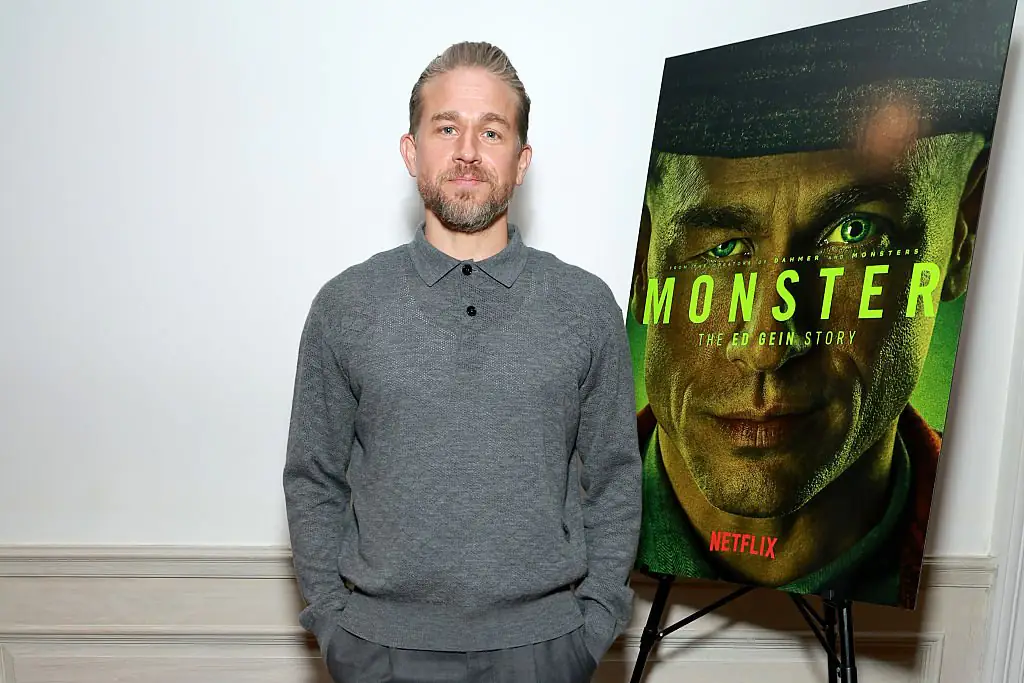
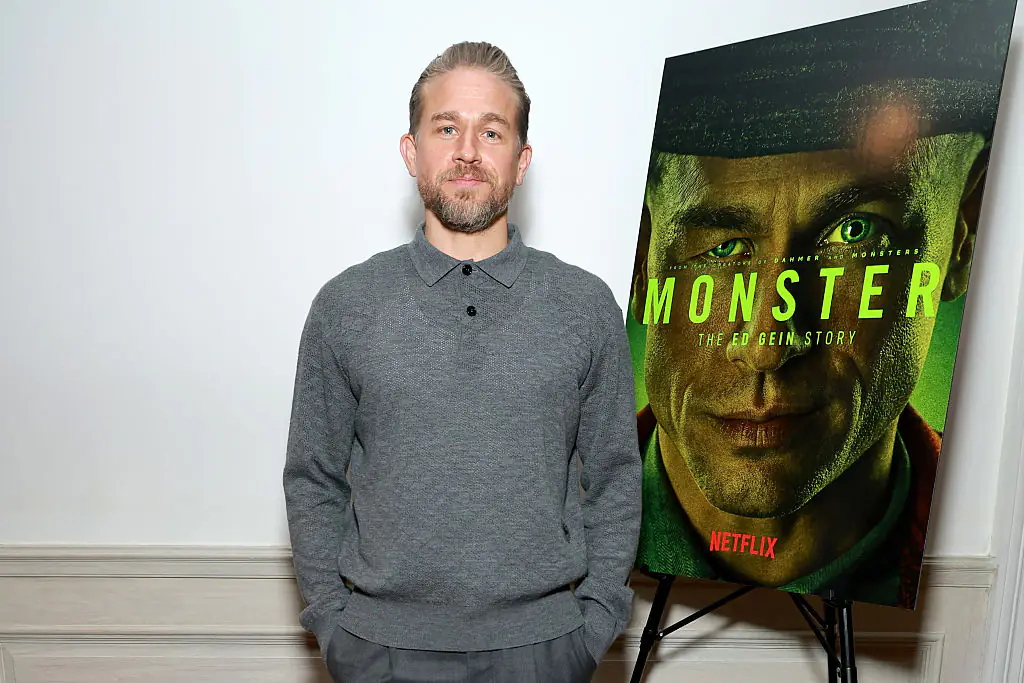
Monster: The Ed Gein Story has been on Netflix since October 2025 and people are still warning each other about the opening five minutes.
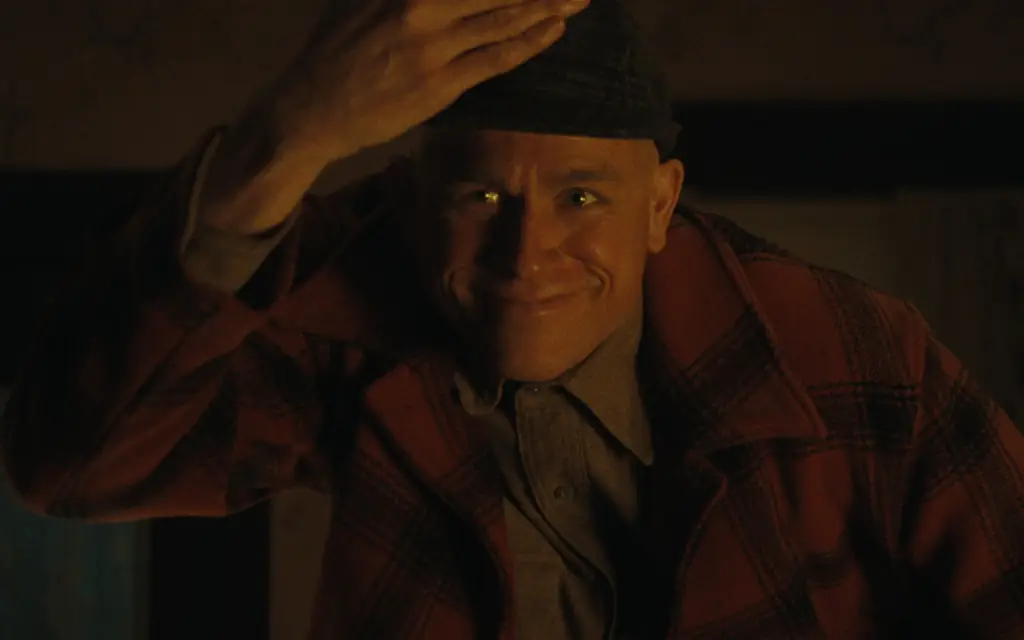
The third season of Ryan Murphy's true crime anthology stars Charlie Hunnam as Ed Gein, the 1950s Wisconsin serial killer whose crimes inspired Norman Bates in Psycho, Leatherface in The Texas Chainsaw Massacre, and Buffalo Bill in The Silence of the Lambs. It does not ease you in.
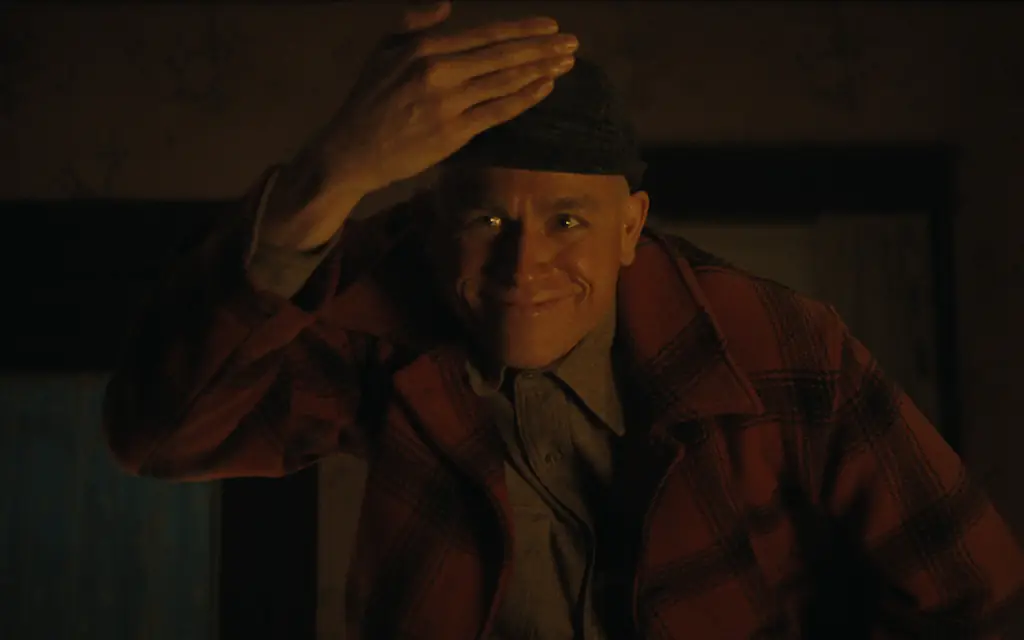
Within the first five minutes, Hunnam's Gein is shown masturbating while wearing women's underwear with a belt around his neck.
Shortly after, an adult Gein is shown sitting naked while his mother reads him the Bible.
Then it gets worse, because the underwear turns out to be his mother's.
Reddit threads started filling up within hours of the show going live last October and have continued to grow since.
New viewers keep finding the show, watching the opening, and coming straight to the internet to process what they just saw.
One early post, which has been shared widely, laid out the first five minutes beat by beat.
"I need therapy after the first 5 minutes. Caressing a cow and the milk. Suffocating himself on a door, while wearing a woman's underwear, and beating off. He even had slippers on to be authentic. Getting caught by his mother.
"Standing naked while his mother gives some prayer. Finding out it's his MOTHERS UNDERWEAR."
Another wrote: "Can't really get into it. Got through the first two episodes and taking a break for now.
"Pacing seems kinda random and confusing, and not sure how well Charlie Hunnam fits the role."
Others were more positive.
"I just started it and I am 2 episodes in and it is actually pretty good," one commented.
"I'm liking the Psycho tie-in."
That came up almost immediately.
When one viewer asked how much of the bizarre opening was based on real events, the responses were not encouraging.
"I'm on episode 4 atm and I'm going to say definitely not," one replied.
"Ryan Murphy is kryptonite to true facts," said another.
The criticism has followed Murphy across all three Monster seasons.
The Dahmer season drew extensive pushback from the families of victims who said the show exploited their trauma.
The Menendez brothers hit out publicly at Murphy's portrayal of their case.
Murphy has defended the series as an attempt to tell the stories of people affected by these crimes rather than glorify the killers.
Whether he has pulled that off depends entirely on who you ask.
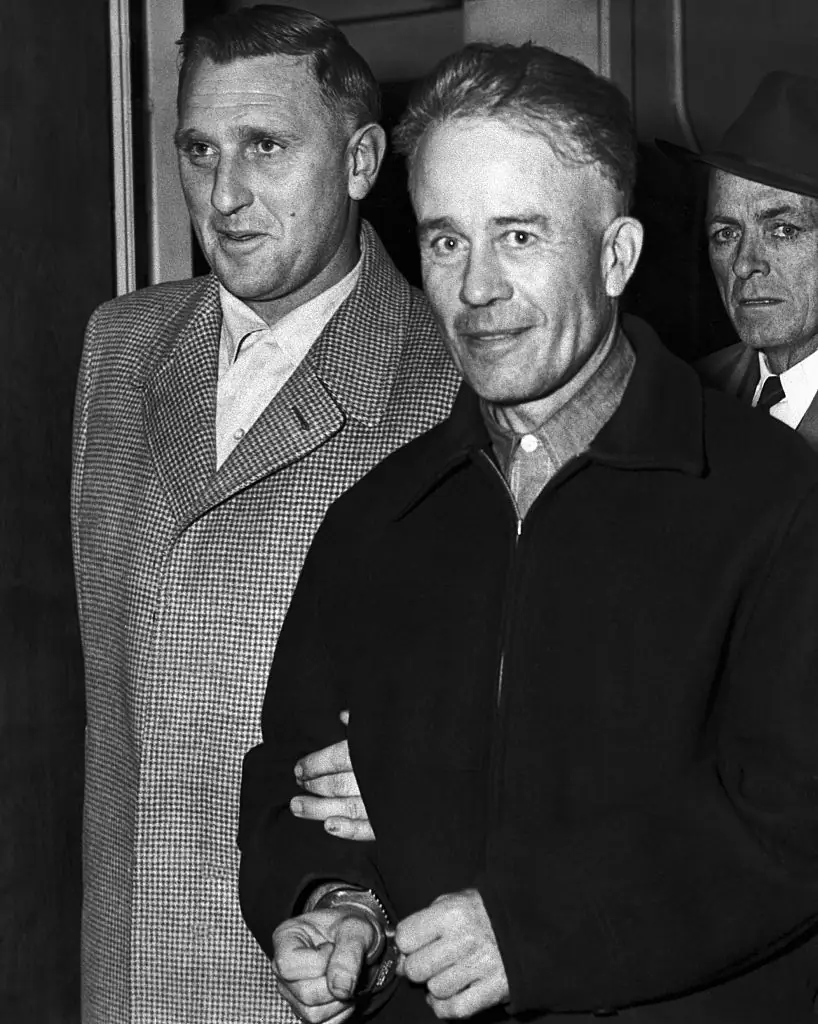
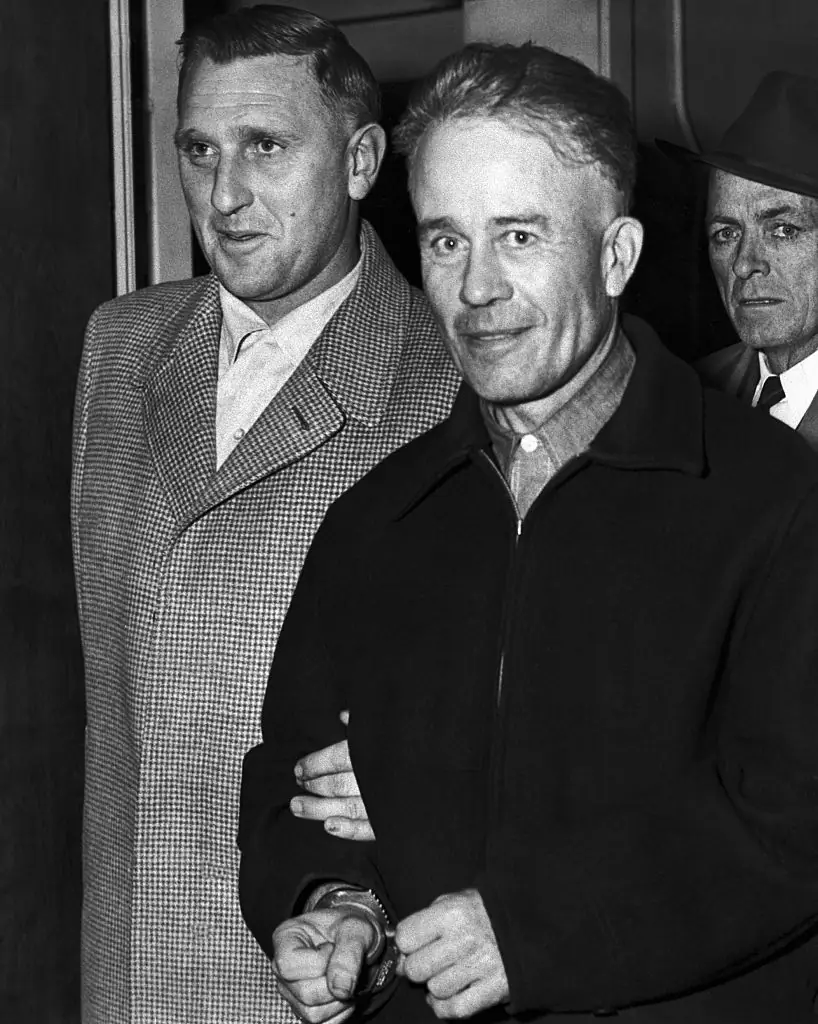
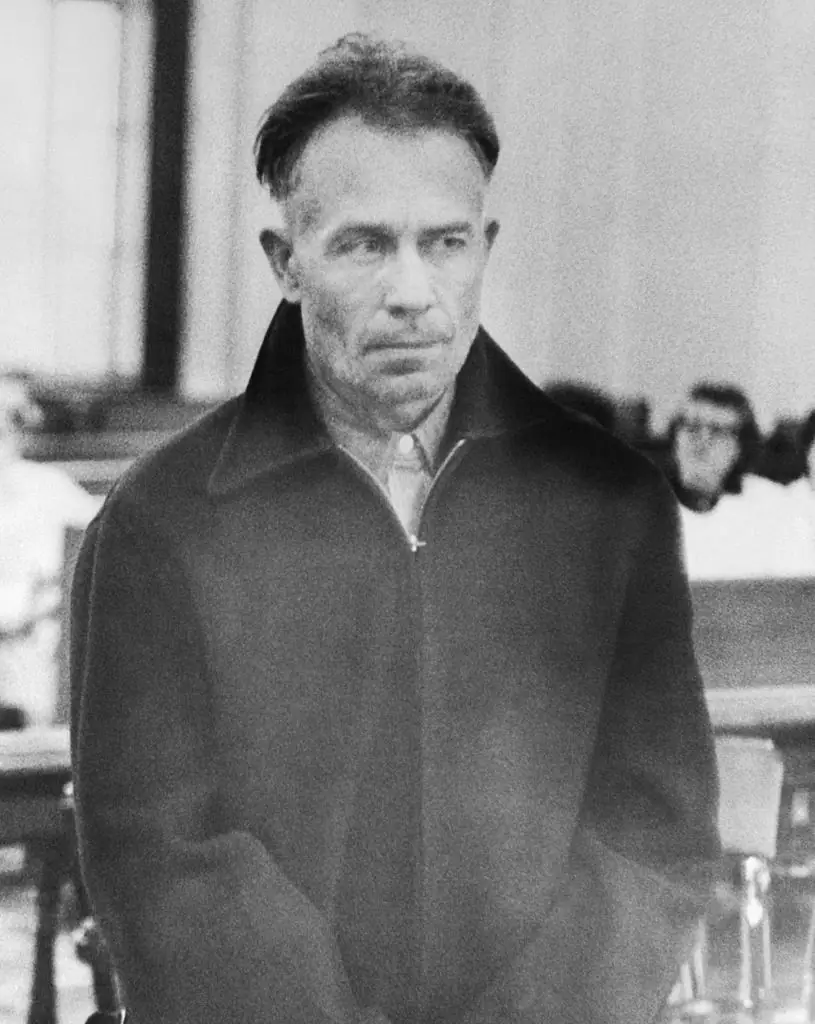
Ed Gein was a farmer from Plainfield, Wisconsin, who was arrested in November 1957 after the disappearance of 57-year-old Bernice Worden.
Police searched his property and found Worden's decapitated body alongside a house full of items made from human skin and bones.
Lampshades. Masks. A chair. A waistcoat. Kitchen utensils. All fashioned from body parts.
Gein confessed to two murders and to digging up numerous graves at a nearby cemetery to collect remains.
He was diagnosed with schizophrenia, deemed unfit to stand trial in 1958, and spent the rest of his life in mental institutions. He died in 1984.
Hunnam plays Gein across nine episodes, with Laurie Metcalf as his domineering, deeply religious mother Augusta.
Tom Hollander, Vicky Krieps, Olivia Williams, and Lesley Manville also feature.
Murphy said he cast Hunnam after seeing a "haunted" paparazzi photo of the actor and thinking there was "something very Ed about him".
Beyond the opening, the show drew attention for Hunnam's accent, which he went to considerable lengths to perfect, and a bizarre dance sequence in the finale that split viewers down the middle.
It is certainly trying to be.
The Ed Gein season is widely considered the most graphically extreme of the three Monster instalments.
The Dahmer season showed violence but held certain details back.
The Menendez season was controversial for its portrayal of the brothers' relationship. Ed Gein does not appear to have any such restraint.
The Dahmer season remains the fourth most-watched series in Netflix history with 115.6 million views.
Ed Gein has not come close to replicating that.
Critics were harsher too, with the season sitting at just 23% on Rotten Tomatoes, the lowest of any Monster season and below Netflix's entire Conversations with a Killer series.
But the opening scene keeps doing the rounds.
Nearly 10 months after release, new viewers are still discovering the show, pressing play, and arriving on Reddit within minutes asking if what they just watched was real.
Most of the time, the answer is: probably not. But the damage is already done by then.
For viewers with a tolerance for extreme and controversial content, Ed Gein may deliver. For everyone else, the Reddit verdict from the first five minutes probably tells you everything you need to know.
Monster: The Ed Gein Story is available to watch on Netflix now.
entertainment news4 min(s) read
film & tv4 min(s) read
Published 16:17 04 Sep 2025 GMT
The first trailer for Ryan Murphy’s next instalment of the Monster anthology has dropped, confirming Charlie Hunnam will step into the role of one of America’s most infamous killers: Ed Gein.
But while the chilling subject matter is at the heart of the series, much of the online reaction has zeroed in on one common complaint about Hunnam...
Charlie Hunnam's casting as Ed Gein raises eyebrows
Gein, a reclusive Wisconsin man, confessed to murdering two women in the 1950s. However, it was the disturbing details that emerged after his arrest that cemented his place in criminal history.
Police discovered that he had exhumed bodies from local cemeteries and used human remains to fashion household items and clothing, per Britannica. His gruesome acts went on to inspire some of Hollywood’s most enduring horror icons, including Norman Bates in Psycho and Leatherface in The Texas Chainsaw Massacre.
Hunnam’s casting as Gein raised eyebrows when it was first announced, and the trailer has only reignited debate.
Many fans took to social media to argue that the Sons of Anarchy star’s leading-man looks risk softening the unsettling reality of Gein’s life and crimes.
One fan on Reddit wrote: "The thing is, I know Charlie is talented as hell and he will do a great job …but, Ed Gein was a creepy unattractive, small framed guy. Why have such an attractive beef cake play him, was Steve buscemi not available?
Ryan Murphy's Monster series faces familiar criticism
This is not the first time Murphy’s Monster franchise has faced criticism for how it frames its subjects. The anthology’s debut season, Monster: The Jeffrey Dahmer Story, starring Evan Peters, became one of Netflix’s most-watched series of all time.
But it also sparked controversy, with critics and victims’ families accusing the show of glamorizing Dahmer and retraumatizing survivors by dramatizing his crimes for mass audiences.
With Gein, the challenge for Murphy and Hunnam is particularly stark. Unlike Bundy or Dahmer, who were often depicted in media as manipulative or even superficially charming, Gein was regarded as socially awkward, lonely and visibly disturbed. His case was as much a story of rural isolation and untreated mental illness as it was of violence.
Can Hunnam transform the role?
Still, casting against type is not unheard of in Hollywood. Charlize Theron famously transformed her appearance to portray serial killer Aileen Wuornos in 2003’s Monster, earning an Academy Award for the performance.
Fans of Hunnam argue he may be attempting a similar metamorphosis, taking on a challenging role that distances him from the action-hero image he cultivated in Sons of Anarchy and films like Pacific Rim.
The series is set to air on Netflix on October 3rd next month, with Hunnam leading an all-star cast including Laurie Metcalf, Tom Hollander, Olivia Williams, and even TikTok-star-turned-songstress Addison Rae.
Given the franchise’s success and the immediate buzz surrounding the new trailer, Monster: The Ed Gein Story is already shaping up to be one of the streamer’s most talked-about releases.
Published 11:18 06 Oct 2025 GMT
Charlie Hunnam’s chilling transformation in Monster: The Ed Gein Story has captivated Netflix audiences and left many asking the same haunting question: Did the real Ed Gein kill his brother?
The latest installment in Ryan Murphy and Ian Brennan’s Monster anthology, following Emmy-nominated seasons on Jeffrey Dahmer and the Menendez brothers, dives into the twisted life of Gein, the reclusive Wisconsin killer who inspired Psycho, The Texas Chainsaw Massacre, and The Silence of the Lambs.
In episode one, titled Mother!, Hunnam’s Gein is seen striking his brother Henry (played by Hudson Oz) in the head, while the two are hanging out in the barn on their family property.
He initially believed his brother was playing a prank - even seemingly hallucinating that Henry had got back up and spoke to him - but when he later returned to find Henry’s lifeless body in a pool of blood, the horror of his actions dawns on him.
Panicking over how his overbearing mother (Laurie Metcalf) will react, he drags the body to a brush pile, sets it on fire, and alerts authorities under the guise of a fire emergency.
The series shows police discovering Henry’s body and ruling the cause of death as asphyxiation, likely from smoke inhalation. But fans are wondering - how much of this is real?
Turns out, quite a bit, as in real life, Henry's body was found on the family’s Plainfield farm following a brush fire, with officials citing heart failure or asphyxiation. No autopsy was performed.
However, in his book Deviant: The Shocking True Story of the Original “Psycho”, biographer Harold Schechter claimed Henry may have had bruises on his head - details that fueled suspicion, though Gein was never charged, Cosmopolitan reported.
While the true cause of Henry’s death remains uncertain, the show leans into the theory that Gein may have been involved, if not intentionally, then tragically.
Behind the scenes, Hunnam took the role with disturbing seriousness. The 45-year-old Sons of Anarchy star lost nearly 30 pounds in just three weeks to mirror Gein’s gaunt frame and studied rare recordings to perfect his high-pitched voice.
More than just physical prep, Hunnam immersed himself mentally and emotionally in the role, staying in character for up to 16 hours a day on set, and even visiting Gein’s grave after production wrapped.
“There was an enormous amount of trepidation and fear initially,” he said during a Zoom interview on the day of the show’s release, per Forbes. “And then it was just trying to understand him, trying not to judge him, trying to find the truth and find the man behind the monster.”
That obsessive approach was supported by showrunner Ryan Murphy, who worked with the Gentleman actor and co-creator Ian Brennan to avoid "sensationalism" and instead explore what makes someone a “monster".
“What we did over and over throughout was ask ourselves why Ed did what he did. We definitely didn’t want to sensationalize this or make a show that was gratuitous or definitely not glorify what he did. It was really about, in the tradition of storytelling, trying to understand ourselves and say, like, ‘What makes a monster?’” Hunnam said.
The result is an unsettlingly human portrayal of Gein. While Gein lived as a mild-mannered recluse on a decrepit farm, the real-life serial killer's crimes were some of the most grotesque in American history, involving body mutilation and grave robbing.
The eight-episode series also stars Metcalf as Gein’s fanatically religious mother, Augusta, Suzanna Son as his only friend, and Tom Hollander as Alfred Hitchcock.
For Hunnam, embodying Gein wasn’t about sympathy - it was about obsession with honesty. “I had to understand him. That was the thing. I didn’t have to like him, but I had to try to find my own sense of the truth, of what I thought he was and who I thought he was, and then have the courage of conviction to be faithful to that," he said.
"And I ended up not feeling protective of Ed, but protective of my perception of who he was, and trying to tell the story as honestly as I could. And sometimes that felt dangerous. Sometimes I questioned, like, am I being overly empathetic? Am I being overly sympathetic? Is this, you know, is this honest? Is this true? And so that became my obsession, just trying to tell the story as truthfully as we possibly could," he added.
Monster: The Ed Gein Story is now streaming on Netflix.
Published 14:38 14 Oct 2025 GMT
A criminologist has weighed in on Charlie Hunnam's unsettling six-word comment from the Monster: The Ed Gein Story trailer.
The latest installment in Ryan Murphy and Ian Brennan’s Monster anthology, following Emmy-nominated seasons on Jeffrey Dahmer and the Menendez brothers, dives into the twisted life of Gein, the reclusive Wisconsin killer who inspired Psycho, The Texas Chainsaw Massacre, and The Silence of the Lambs.
In a recent interview on This Morning, criminologist Professor David Wilson unpacked why viewers remain captivated by true crime stories like Monster, and called the show “fascinating” for how it forces us to examine our own obsessions.
Wilson points out that in the trailer, Hunnam's character breaks the fourth wall by saying to the audience: “It’s you who can’t look away."
“I just thought, what an amazing take,” the professional said. “What the series is doing - [it’s asking], ‘why are you so obsessed with this kind of material?’”
Wilson suggested the popular show veers closer to horror than crime, not just in content but in emotional impact. “We might say this is true horror, rather than true crime, but it is dealing with a real person who behaved in quite an extraordinary way,” he explained.
He added that the genre’s appeal may stem from a desire to understand and distance ourselves from such extreme behavior. “I think people like to look at these kinds of extreme behaviors because they want themselves to know that they are different from what it is that they see. And they also want to know, ‘if it is happening, what can we do to stop it?’”
He described the audience’s fixation as reflective: “It’s holding a mirror up to society, and [saying] why are you so fascinated with this?”
While the Netflix series delves into Gein’s disturbing legacy, some experts warn that much of the content fueling viewers’ curiosity is based on myth, not fact.
Chloë Manon, co-owner of The Graveface Museum in Savannah, cautions that many widely circulated images of Gein’s so-called “creations” are fake. “A lot of it’s just mocked-up evidence,” she said. “People are basing things off films, not facts.”
She explained that nearly all of the physical evidence collected from Gein’s property was ultimately destroyed. “It was burned, it was incinerated, or it was buried,” she said.
The exception was a single item housed at her museum: a keychain containing a lock of human hair and scalp, tagged with Gein’s name, address, and curiously, the address of a Shell service station across from victim Bernice Worden’s hardware store.
Manon’s criticism highlights the often blurry boundary between dramatization and documentation. “So they obtained this illegal evidence, and they weren't able to use it in the courtroom,” she explained. “It was inadmissible. So he was charged for the murder of Bernice, found not guilty by reason of insanity, and went back to the psychiatric ward.”
The rest of the so-called “evidence” commonly seen online and in media is, according to her, made-up for dramatic effect - a critique that casts a shadow over the genre's accuracy.
The public’s appetite for stories like Monster shows no sign of fading, but the warnings from experts like Wilson and Manon serve as reminders to look deeper at our own motivations and the line between storytelling and truth.
Published 16:24 13 Oct 2025 GMT
Since its October release, Monster: The Ed Gein Story (Season 3 of Netflix’s Monster anthology) has drawn both huge viewership and sharp criticism.
The series, starring Charlie Hunnam as the notorious Ed Gein, has grabbed headlines not only for its graphic imagery and provocative storytelling, but also for historical liberties it takes with known facts about Gein’s life.
One of the recurring complaints from viewers on Reddit and other forums is that the show gives the impression people in Gein’s small hometown somehow didn’t know his mother had died. This has struck many as implausible, after all, Augusta Gein’s death in 1945 is part of the real Ed Gein history, and reportedly well-known.
In reality, Ed Gein’s mother, Augusta Wilhelmine Gein, died in 1945, when Ed was still young. Her death had a massive emotional impact on him, and the series does depict her demise and the subsequent deterioration of his mental health, per Netflix.
Where the series and viewer memories diverge is in how the community and characters are shown reacting. Some storylines in Monster imply that Gein goes to lengths to preserve his mother’s memory in secret, and that others might be ignorant or in denial about her death, leading viewers to wonder if the show is dramatizing or even inventing confusion for tension.
Reddit threads show people calling this “bad writing” or “historical inaccuracy,” arguing that in a tiny rural town, the fact of Augusta’s passing would have been common knowledge. They're all asking the same question: "How did no one know Augusta was dead?"
"This show is a mess of epic proportions. Don't try to make sense of it," someone wrote.
Another added: "I think it was more like a 'yeah, sure, how is your mom' kind of thing. They knew but didn't make a big deal out of it because they knew he was off."
Fans are split. On one hand, there’s praise for the performances (particularly Hunnam’s), the production design, and for exploring the darker psychological terrain of Gein’s life.
On the other hand, many complain that the series stretches the truth in ways that undermine its credibility. Augusta's death is treated with reverence in Monster, but some viewers feel the show soft-pedals the obvious consequences of the death on the community, or creates confusion about what characters know.
For example, viewers point out that if there was a funeral (which there historically was, Primetimer details) people in his life should know she’s deceased, not believe she might still be alive or seriously ill. These moments make them question whether the show is drama first and history second.
According to background interviews, some of the creative team’s aim was not just to retell Gein’s crimes, but to explore how myth, memory, mental illness, and trauma distort reality, for Gein himself and for how he’s remembered, Netflix explains.
Netflix’s own explanation of Monster: The Ed Gein Story acknowledges that while Augusta’s death is a turning point in Ed’s life, some fictionalization is incorporated to emphasize emotional truths rather than precise historical detail.
That said, critics have argued that when shows take too many liberties, they risk misleading viewers who may assume dramatized scenes are factual.
Augusta’s death in Gein’s real life is a known fact, and many feel the series would have benefitted from greater clarity, especially when depicting what characters know and how those around Gein react.
Overall, Monster: The Ed Gein Story remains powerful, disturbing, and visually compelling, but the series’ handling of Augusta’s death is emblematic of a larger tension: how a dramatic retelling can shift from true crime to fiction.
For many viewers, the question lingers: If Augusta died long ago, and the town knew, why is she sometimes treated as though she’s still alive in dialogue or implication?
It’s a valid concern in a show that claims to be “based on real events.” As Monster continues to stir conversation, fans are demanding not just shock or spectacle, but clear boundaries between what’s history and what’s artistic interpretation.
Published 10:08 17 Oct 2025 GMT
Monster: The Ed Gein Story has given Netflix its latest hit, but fans obsessed with this Wisconsin serial killer have been warned not to take their morbid fascination a step too far.
Starring Sons of Anarchy breakout Charlie Hunnam in the lead role, it follows the twisted exploits of one of America’s most infamous serial killers.
At the same time, it details how his twisted murders, corpse fascinations, and tendency to make things out of human skin inspired many of the biggest horror movies of all time, including Psycho, The Texas Chainsaw Massacre, and The Silence of the Lambs.
Posting to TikTok, a man who lives in the area where Gein committed the majority of his heinous crimes has taken fans on a virtual tour.
In just under two minutes, the owner of an account all about the great state of Wisconsin shows social media exactly what Gein’s stomping ground looks like today.
Spoilers: It’s not much to look at.
The TikToker posting under @wonderfullywi also shares a sobering warning to fans who may be considering embarking on a pilgrimage to Gein’s old haunts.
His advice? Please don’t.
In addition to highlighting the fact that many of the key places featured in the show are now closed to the public, on private property or just plain long gone, he also suggests that visiting would be in pretty bad taste.
Despite these crimes happening around 58 years ago, the video reminds us that "the people of Plainfield don't want to relive the worst part of their history."
Fair enough, to be honest.
As showcased in this viral video, a lot has changed since Gein was active in Wisconsin.
Transporting viewers to “the real Plainfield,” we’re shown some key sights from the notorious serial killer’s life, crimes, and death.
Among them are the site that once housed Worden Hardware, a store owned by one of Gein’s victims, Bernice Worden.
This particular crime is brought to grim life in Murphy’s new show, with British actress Lesley Manville playing a fictionalised version of store owner.
In the show, we see Worden engage in a relationship with Gein prior to her murder, although there’s no evidence to suggest this actually happened in real life.
Elsewhere, we also see Plainfield Cemetery which houses the remains of Gein and his family, with the former laid to rest under an unmarked grave.
This is also one of the spots where he is believed to have stolen bodies from their graves throughout the late 1940s and 1950s.
We also see the location of Gein’s old house, but as the TikToker points out, “there's not much to look at” as the house burned down in 1958.
He continues to reveal that "there's only a shed left."
Ending his video, @Wonderfullywi suggests that fans of the show instead visit Plainfield to soak up many of the “amazing things” on offer there and not “focus on a piece of history that’s terrible.”
Monster: The Ed Gein Story follows perhaps America’s most notorious serial killers. Gein’s crimes mark one of the darkest moments in the country’s history, with the murderer even fashioning household items out of skin, bones and bodyparts.
Much of this story is chronicled in Murphy’s new Netflix show, where we see Hunnam’s soft-spoken Gein delve deeper into madness.
One key sequence shows Gein murdering his brother Henry while in a fit of anger over a conversation regarding their overbearing mother.
However, it’s unclear whether this incident ever actually took place.
According to Britannica, Henry is known to have died following an out-of-control fire at the Gein property.
Shortly afterwards, Ed contacted the authorities saying that his brother was missing but was somehow able to lead them directly to his sibling’s lifeless body. Suspicious.
The official cause of death was asphyxiation and Ed was not directly blamed for Henry’s murder.