


Film & TV3 min(s) read
Scene from Stephen King's IT novel will never be made on film for disturbing reason

Among fans of the much-lauded Stephen King’s novel 'It', one moment has long stood out as the most controversial, and, for many, effectively impossible to bring to the big screen.
At the end of the book’s “children’s section,” after the Losers’ Club defeats Pennywise in the sewers, the group finds themselves disoriented, frightened, and emotionally incapacitated. It’s in this moment that one of the novel’s most divisive sequences occurs.
What is featured in the controversial scene?
In the story, the children are lost underground and struggling to stay united after their traumatic run-in with the infamous clown. To reconnect the group and restore a sense of direction, Beverly Marsh initiates an act intended to bring them back together.
This moment, often referred to by readers in connection with the “Ritual of Chüd”, involves a level of intimacy that has made it one of the most contentious passages in King’s work to date, and if you’re familiar with his work, that is quite the extensive repertoire…

The primary issue is, of course, centered around the fact the characters involved are children. So, any attempt to depict this scene directly in a mainstream film would be widely seen as unacceptable.
Because of this, it’s often described as “unfilmable,” not due to technical limitations, but because of ethical, legal, and audience boundaries.
Unsurprisingly, its inclusion has sparked decades of debate and controversy about where artistic expression should draw the line.
King has ardently defended the moment as symbolic rather than exploitative. He has suggested that it represents a turning point; a shift from childhood to adulthood, and a way of uniting the group through a shared experience after their ordeal. In his view, it serves as a metaphor for overcoming fear and fragmentation.
Still, that explanation hasn’t stopped many readers from questioning whether the scene was necessary, especially given how starkly it contrasts with the rest of the story.
When It Chapter One and its sequel were adapted for modern audiences, filmmakers chose to leave the scene out entirely. Instead, they created alternative moments to achieve the same narrative goal, reconcile the group, and reinforce their bond after facing terror.
Other scenes have been adapted for similar reasons
The sewer sequence isn’t the only part of the original novel that filmmakers opted to avoid in later recreations. The book contains numerous highly graphic and disturbing moments that were either omitted entirely or toned down to cater to the demands of on-screen adaptations looking to appeal to mass audiences.
Featured in these scenes were more explicit depictions of violence and certain character deaths that were considered too intense for a mainstream audience.
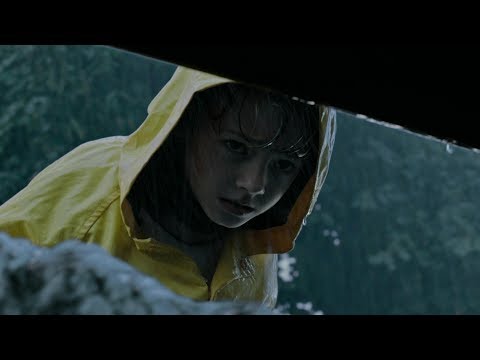
Decades after the novel’s release, the scene continues to divide readers. For some, it’s an important, if uncomfortable, piece of the story’s deeper themes. For others, it crosses a line that no adaptation should attempt to recreate.
What’s clear is that, while It has successfully made the leap from page to screen, not every part of King’s original vision was ever meant to follow.