


Sport2 min(s) read
‘Groundbreaking’ new transgender rules introduced by International Olympic Committee

The International Olympic Committee has introduced a groundbreaking new framework for transgender and intersex athletes.
This week the committee announced that they would no longer require athletes to undergo controversial procedures or treatments, including hormone level modifications, to compete, NBC News reports.
In a six-page document, the IOC outlined 10 principles "grounded on the respect for internationally recognized human rights," and set out their new framework.
Per NBC News, the document reads: "The Framework recognizes both the need to ensure that everyone, irrespective of their gender identity or sex variations, can practice sport in a safe, harassment-free environment that recognizes and respects their needs and identities."
As well as removing the need for controversial treatments, the new framework also reverses the IOC's previous position by concluding there should be no presumption that trans women have a biological advantage over natal women.
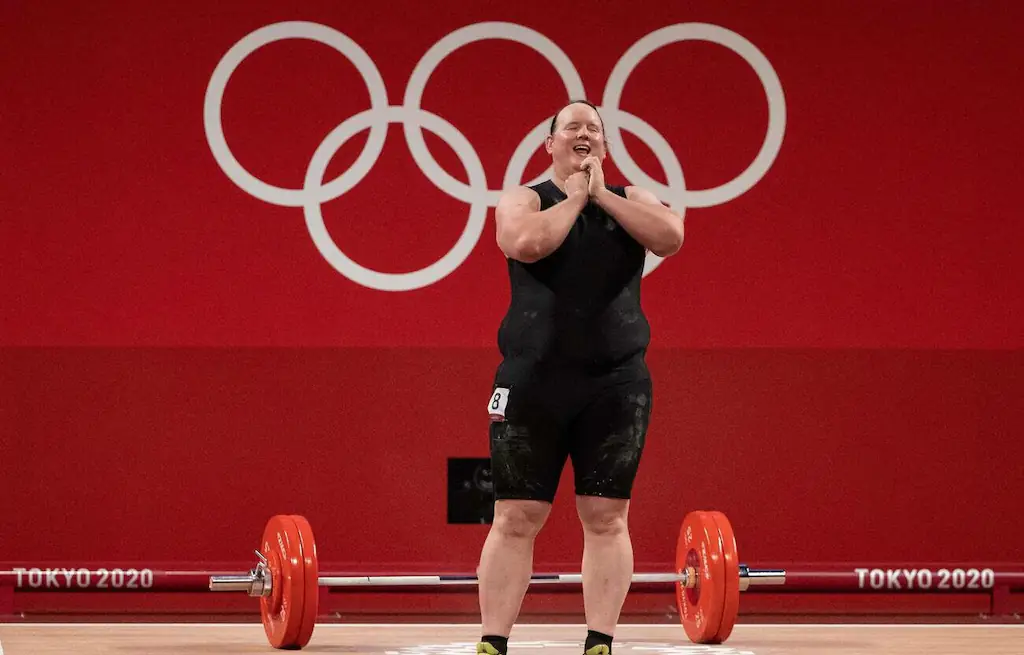
These new rules come just three months after the Tokyo Olympics, which saw the first transgender and intersex athletes compete in the Games' history. They were developed following an "extensive consultation" with athletes, other sports organizations, and human rights experts, and will replace guidelines released by the IOC in 2015.
The 2015 framework put a limit on athletes' testosterone levels and required some to undergo treatments the IOC now describes as "medically unnecessary." Before 2015, the IOC required athletes to undergo genital surgery in order to compete.
LGBTQ athletes and advocates welcomed the new guidelines. Canadian soccer gold medalist Quinn, who in July became the first openly trans athlete to compete in the Olympic games, said in a statement to Athlete Ally that the new rules were 'groundbreaking'.
"Far too often, sport policy does not reflect the lived experience of marginalized athletes, and that's especially true when it comes to transgender athletes and athletes with sex variations," they said.
"This new IOC framework is groundbreaking in the way that it reflects what we know to be true - that athletes like me and my peers participate in sports without any inherent advantage, and that our humanity deserves to be respected," they added.
Transgender triathlete Chris Mosier - who became the first out trans athlete to compete on a US national team in 2016 - wrote on Twitter:
"The new IOC Framework makes clear that no athlete has an inherent advantage and moves away from eligibility criteria focused on testosterone levels, a practice that caused harmful and abusive practices such as invasive physical examinations and sex testing."