


Sport4 min(s) read
Olympic star who accidentally ‘defecated’ mid-race made brave decision as HYROX athlete soils herself during event

After a HYROX athlete soiled herself during a recent event in Beijing, the story of an Olympian who famously defecated while competing has come back into focus.
French race walker Yohann Diniz was competing in the men's 50km walk at the Rio Olympics in 2016, when disaster struck around 15km into the event.
HYROX defecation incident draws comparison to athlete during Olympic event
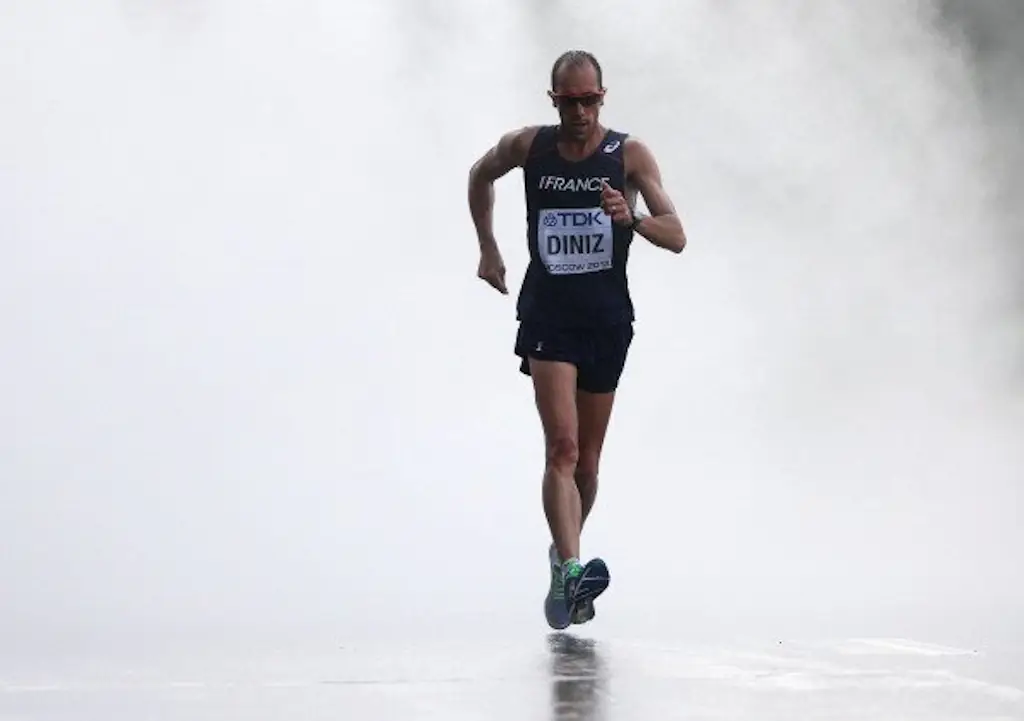
Diniz, who entered the competition as one of the favorites for the gold medal and held the world record at the time, was in visible discomfort after becoming unwell in the sweltering conditions, before suffering from a bout of diarrhea in the most humiliating of circumstances.
The television cameras captured the moment brown stains ran down the backs of his legs after he soiled himself during the race, but rather than abandoning his Olympic campaign, Diniz persevered.
The Frenchman battled through the remainder of the grueling contest and eventually crossed the finish line in 11th place, while Slovakia's Matej Toth ultimately took gold, Australia's Jared Tallent claiming silver and Japan's Hirooki Arai securing bronze.
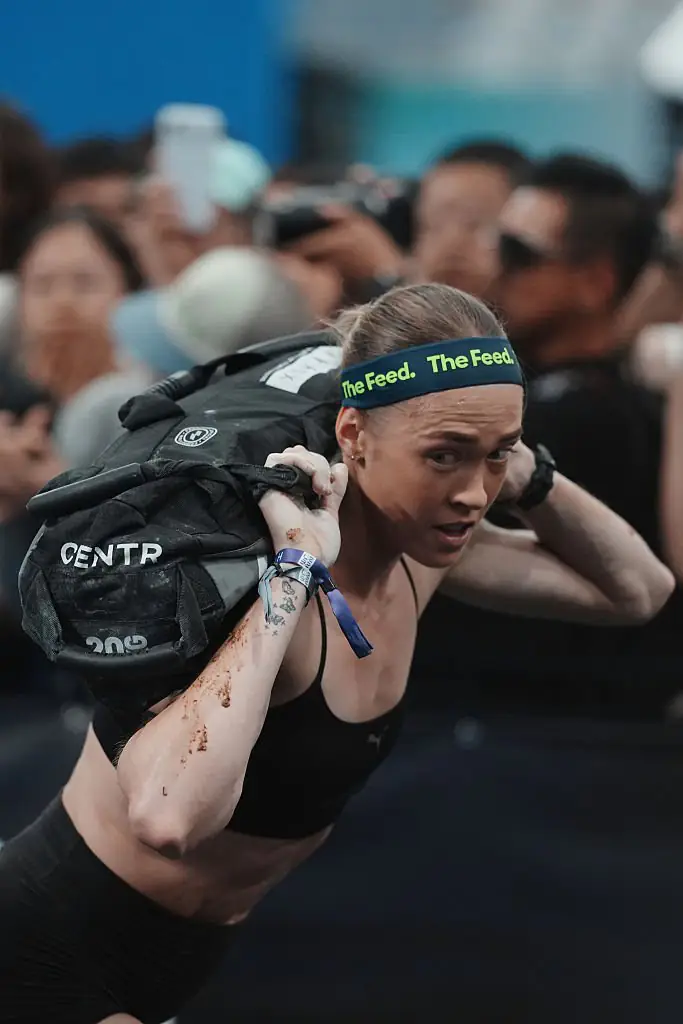
This renewed interest in Diniz’s story comes after comparisons were drawn to Australian athlete Joanna Wietrzyk, who recently competed at a HYROX event in Beijing when she suffered an equally unfortunate incident during the race.
The footage appeared to show Wietrzyk continuing through the competition after she had soiled herself, much like Diniz did several years before.
HYROX soiling incident attracts widespread scrutiny
However, unlike Diniz's Olympic ordeal, the fallout did not stop when the race ended, with HYROX facing widespread criticism over its handling of the situation, prompting co-founder Moritz Fürste to issue an apology to those affected.
Fürste acknowledged that the organization had not dealt with the situation as it should have and said HYROX was working on changes to its rules and procedures.
But the apology did little to satisfy some competitors who were present at the event.
Among them was Joe Ho, who argued that the organization was obliged to also consider participants who had paid to take part and may have been exposed to contaminated equipment.
Ho responded to the organization's statement on Instagram with a lengthy message calling for greater accountability. In it, he wrote:
“I was at Beijing and there is another group that deserves to be addressed here too, the paying participants who were affected.
“HYROX itself acknowledges that there was ambiguity in how its health and medical protocols were applied. For people who were exposed to that situation, there could be genuine physical and psychological consequences. Statements like this may also become relevant if affected participants later pursue legal claims and lawsuits.
“I paid HYROX to provide a professionally organised and safe event. So while I understand the athlete perspective, ultimately my contract and expectation is with HYROX. If the organisation accepts that something went wrong, why not offer affected participants refunds, credits, or some meaningful form of compensation?”
He continued: “Protecting athletes is important, but showing the wider community that HYROX takes responsibility when its own procedures fail is just as important. That would do far more to rebuild trust than simply asking everyone to move forward together.”
HYROX has claimed to have established procedures covering medical incidents and biocontaminants, but acknowledged that the circumstances in Beijing created uncertainty over how those protocols should be applied. The organization has since apologised and announced changes to its rules, but has warned people against targeting Wietrzyk personally.
HYROX said anyone who sends abusive messages or violent threats towards the athlete would face a permanent ban from its events worldwide.