


Health3 min(s) read
All the benefits that occur when you stop masturbating as simulation shows what happens to unejaculated sperm

A viral simulation is giving people a closer look at what really happens inside the male body when sperm isn’t released, and it turns out the body has its own built-in system for dealing with it.
Self-love is something most males do at least once in their lives, but understandably, it has developed somewhat of a lame reputation, with increasing numbers of men attempting to quit masturbation altogether, and surprisingly, there are hidden health benefits...
What happens to sperm when it isn't used?
Men begin producing sperm shortly after puberty and continue throughout their lives, with millions of sperm cells created every day.
According to Clearblue, this process starts in the testicles inside tiny tubes known as seminiferous tubules, where early germ cells develop into sperm under the influence of hormones like testosterone.
Following that initial development, the body is constantly producing new sperm, meaning a healthy man won’t “run out,” even with frequent ejaculation.
According to a simulation shared by the YouTube account Dr. Smurf, the body doesn’t just let unused sperm sit there indefinitely. Instead, it’s broken down and reused.
The epididymis, a tube connected to the testicles, helps manage this by breaking down older sperm cells. Their nutrients are then reabsorbed and repurposed by the body.
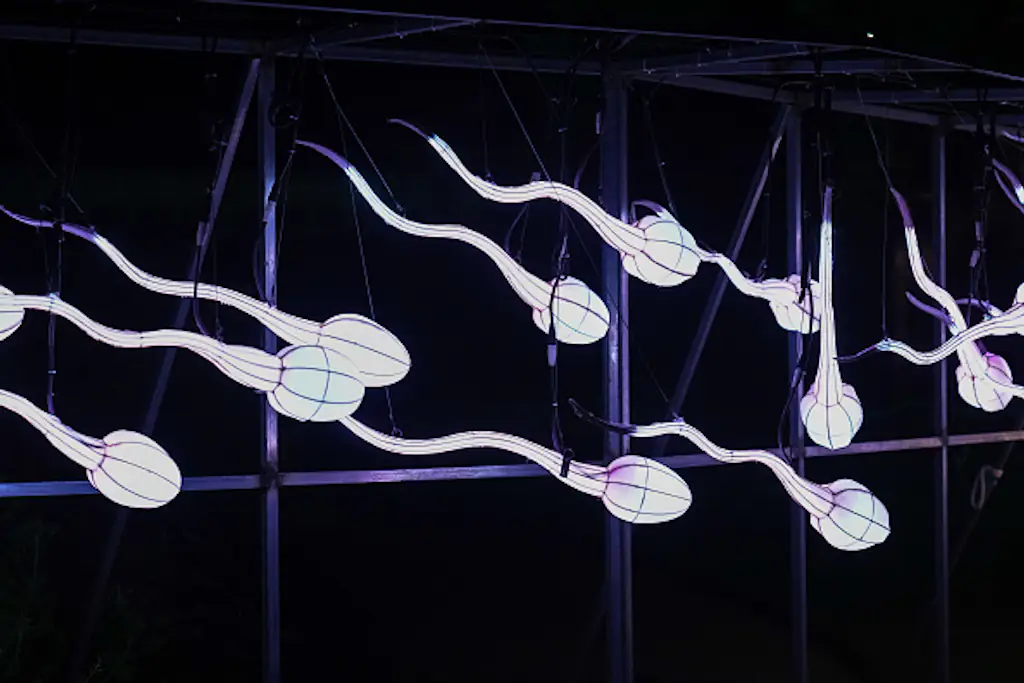
Sperm lifespan depends entirely on the environment. Outside the body, sperm usually die within minutes due to a lack of moisture and warmth. But inside a woman’s body, they can survive for up to five days in cervical mucus that supports their movement, particularly around ovulation, when conditions are most favorable.
This is why the days leading up to ovulation, and the day itself, are often referred to as the “fertile window.”
According to Healthline, there’s no clear evidence that not ejaculating poses a health risk. That said, some research has explored a link between ejaculation frequency and prostate cancer.
A study from Harvard University found that men who ejaculated more frequently each month had a 31% lower risk of developing prostate cancer, although many factors can influence this.
Why people choose to abstain and the benefits associated
People choose to abstain for different reasons, whether personal, cultural, or simply as a challenge. Despite the stigma, studies suggest it’s extremely common, with a Columbia University report finding that 84% of people in the US masturbate. Still, many feel uncomfortable talking about it, with surveys indicating that over half experience some level of shame.
During masturbation, the body releases hormones like dopamine, endorphins, and oxytocin, often called the “love hormone.” Research shows oxytocin can help reduce levels of cortisol, the body’s primary stress hormone. So naturally, removing that release may feel different for some people.
Some claim that avoiding masturbation leads to benefits like increased testosterone or better focus, though scientific evidence remains limited.

One area that has been studied is sperm quality. A 2019 study published in Andrology found that men who abstained from ejaculation for one to four days showed improvements in sperm count, semen volume, and motility.
However, organizations like Planned Parenthood say masturbation itself does not reduce sperm count. On the other hand, the Shree IVF Clinic notes that very frequent ejaculation, such as multiple times a day, could temporarily reduce sperm per ejaculation.
Another commonly discussed effect is increased desire for partnered sex. The idea is that by abstaining, anticipation builds, potentially making intimacy feel more intense, but this varies widely from person to person.
The body is constantly producing, and recycling, sperm, meaning nothing simply “builds up” indefinitely. As for quitting masturbation, the effects aren’t universal. For some, it may increase focus or desire; for others, it makes little difference.
Ultimately, it comes down to individual preference, lifestyle, and what feels right for each person.