ADVERT
Health4 min(s) read
Published 11:01 26 Feb 2026 GMT
A graphic simulation has revealed what actually happens to sperm inside a man’s body if it’s not ejaculated.
Men start producing sperm shortly after they reach double figures in age and continue doing so for the rest of their lives. In fact, millions of sperm cells are produced in the testicles every day.
According to Clear Blue, this all starts inside the testicles within a network of tiny tubes called the seminiferous tubules, which house germ cells.
Under the influence of hormones such as testosterone, these germ cells transform into sperm. As they grow, the cells divide and slowly take on the “tadpole” shape that most people associate with sperm.
The full journey from germ cell to fully mature sperm cell capable of fertilising an egg takes around 2.5 months.
While that may sound like a long process, the male body is constantly producing sperm, meaning a healthy male will not run out, even if he ejaculates several times a day.
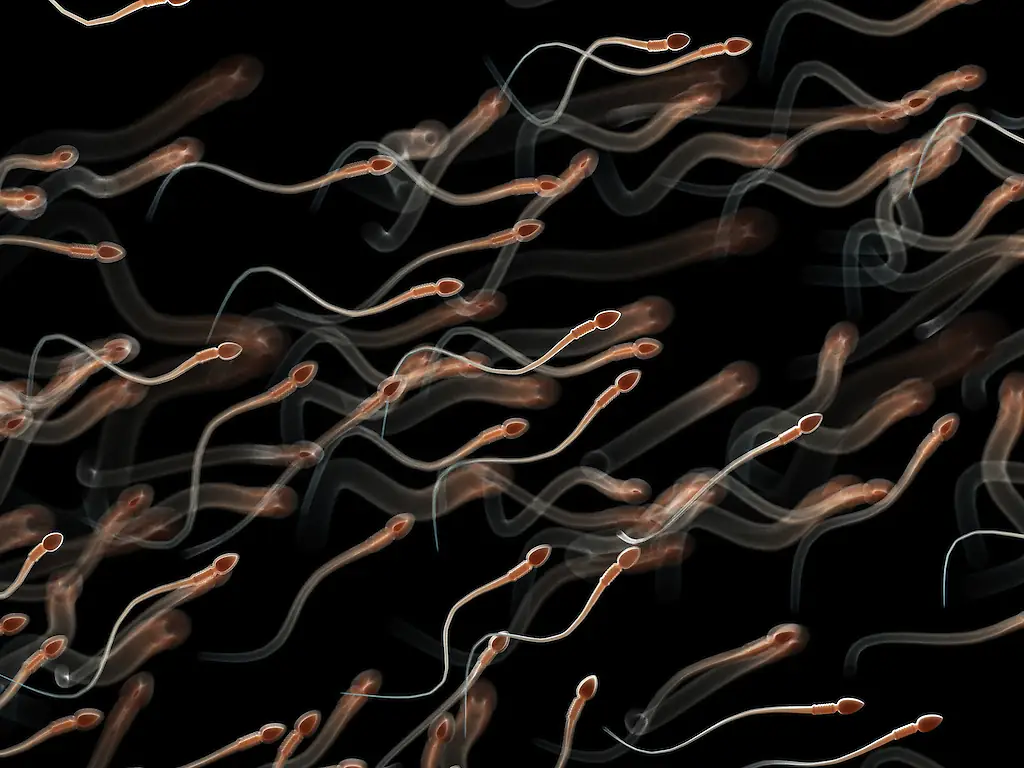
A simulation on the YouTube account Dr. Smurf claims to show how the body handles the situation.
The epididymis, the tube connected to the testicles, has a lining that breaks down old sperm cells.
The protein and nutrients from dead sperm are reabsorbed and repurposed to create other cells in the body, including new sperm cells.
In other words, the body runs a recycling system: Old sperm is broken down, its structural components, including enzymes, zinc, and fructose, are reclaimed, and the materials are reused.
Depending on where it is, sperm can stay alive for differing amounts of time. If it isn’t reabsorbed into the body, it can be released via a nocturnal emission, commonly known as a wet dream, according to Medical News Today.
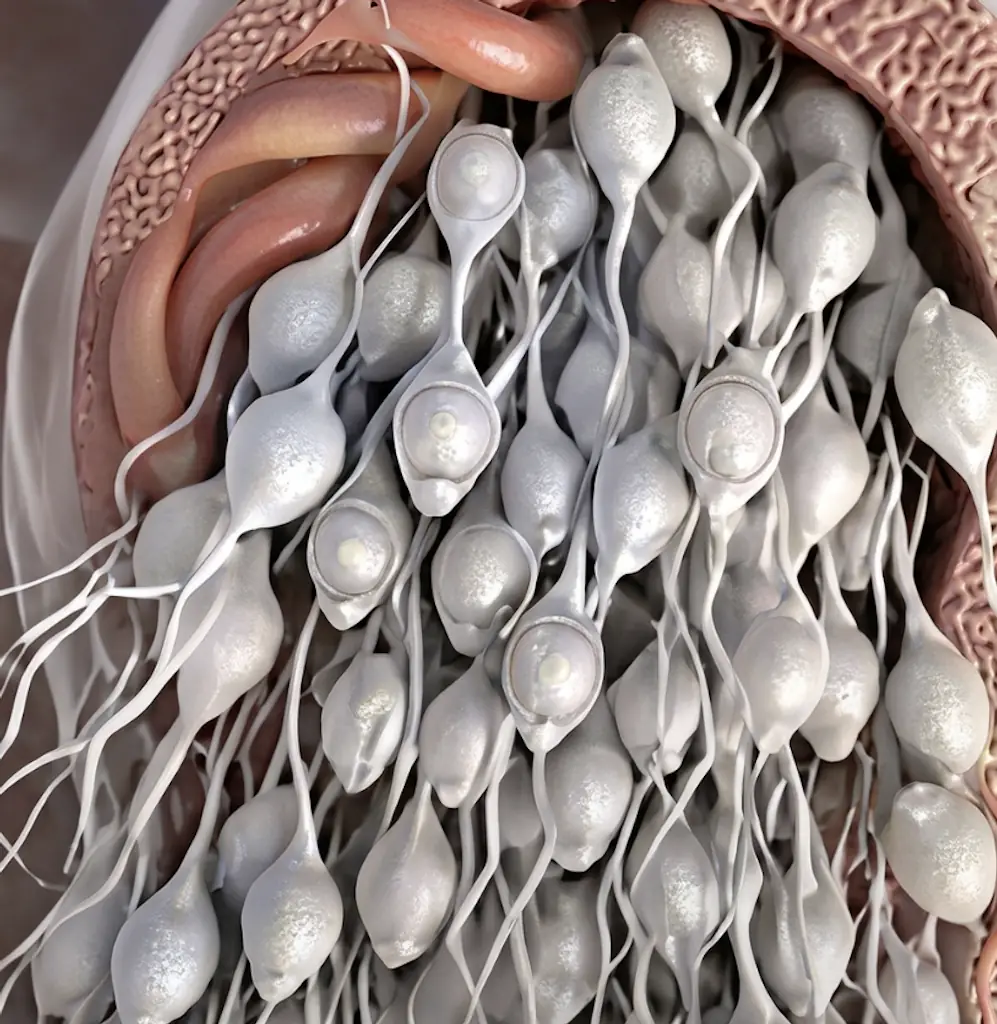
Sperm lifespan depends entirely on conditions, as outside the male body, they can die within minutes, as they need moisture and warmth to survive.
However, inside a woman’s body, sperm can survive for up to five days in sperm-friendly cervical mucus. Around ovulation, cervical mucus helps protect sperm and makes it easier for them to reach an egg.
Because sperm can live for up to five days, the five days leading up to ovulation and the day of ovulation are known as the fertile window.
Heathline notes that there do not appear to be any risks associated with not releasing sperm via ejaculation.
However, research has explored a potential link between ejaculation frequency and prostate cancer.
Many factors can contribute to cancer risk, but a Harvard study discovered that among men who ejaculated most each month, their risk of prostate cancer was 31 percent lower.
As men get older, sperm count and quality naturally tend to decline, and the likelihood of mutations may increase.
While aging can’t be stopped, certain lifestyle changes may help support healthier sperm production and overall fertility.
health3 min(s) read
Published 13:36 27 Apr 2026 GMT
A viral simulation is giving people a closer look at what really happens inside the male body when sperm isn’t released, and it turns out the body has its own built-in system for dealing with it.
Self-love is something most males do at least once in their lives, but understandably, it has developed somewhat of a lame reputation, with increasing numbers of men attempting to quit masturbation altogether, and surprisingly, there are hidden health benefits...
Men begin producing sperm shortly after puberty and continue throughout their lives, with millions of sperm cells created every day.
According to Clearblue, this process starts in the testicles inside tiny tubes known as seminiferous tubules, where early germ cells develop into sperm under the influence of hormones like testosterone.
Following that initial development, the body is constantly producing new sperm, meaning a healthy man won’t “run out,” even with frequent ejaculation.
According to a simulation shared by the YouTube account Dr. Smurf, the body doesn’t just let unused sperm sit there indefinitely. Instead, it’s broken down and reused.
The epididymis, a tube connected to the testicles, helps manage this by breaking down older sperm cells. Their nutrients are then reabsorbed and repurposed by the body.
Sperm lifespan depends entirely on the environment. Outside the body, sperm usually die within minutes due to a lack of moisture and warmth. But inside a woman’s body, they can survive for up to five days in cervical mucus that supports their movement, particularly around ovulation, when conditions are most favorable.
This is why the days leading up to ovulation, and the day itself, are often referred to as the “fertile window.”
According to Healthline, there’s no clear evidence that not ejaculating poses a health risk. That said, some research has explored a link between ejaculation frequency and prostate cancer.
A study from Harvard University found that men who ejaculated more frequently each month had a 31% lower risk of developing prostate cancer, although many factors can influence this.
People choose to abstain for different reasons, whether personal, cultural, or simply as a challenge. Despite the stigma, studies suggest it’s extremely common, with a Columbia University report finding that 84% of people in the US masturbate. Still, many feel uncomfortable talking about it, with surveys indicating that over half experience some level of shame.
During masturbation, the body releases hormones like dopamine, endorphins, and oxytocin, often called the “love hormone.” Research shows oxytocin can help reduce levels of cortisol, the body’s primary stress hormone. So naturally, removing that release may feel different for some people.
Some claim that avoiding masturbation leads to benefits like increased testosterone or better focus, though scientific evidence remains limited.
One area that has been studied is sperm quality. A 2019 study published in Andrology found that men who abstained from ejaculation for one to four days showed improvements in sperm count, semen volume, and motility.
However, organizations like Planned Parenthood say masturbation itself does not reduce sperm count. On the other hand, the Shree IVF Clinic notes that very frequent ejaculation, such as multiple times a day, could temporarily reduce sperm per ejaculation.
Another commonly discussed effect is increased desire for partnered sex. The idea is that by abstaining, anticipation builds, potentially making intimacy feel more intense, but this varies widely from person to person.
The body is constantly producing, and recycling, sperm, meaning nothing simply “builds up” indefinitely. As for quitting masturbation, the effects aren’t universal. For some, it may increase focus or desire; for others, it makes little difference.
Ultimately, it comes down to individual preference, lifestyle, and what feels right for each person.
health3 min(s) read
Published 12:05 08 May 2026 GMT
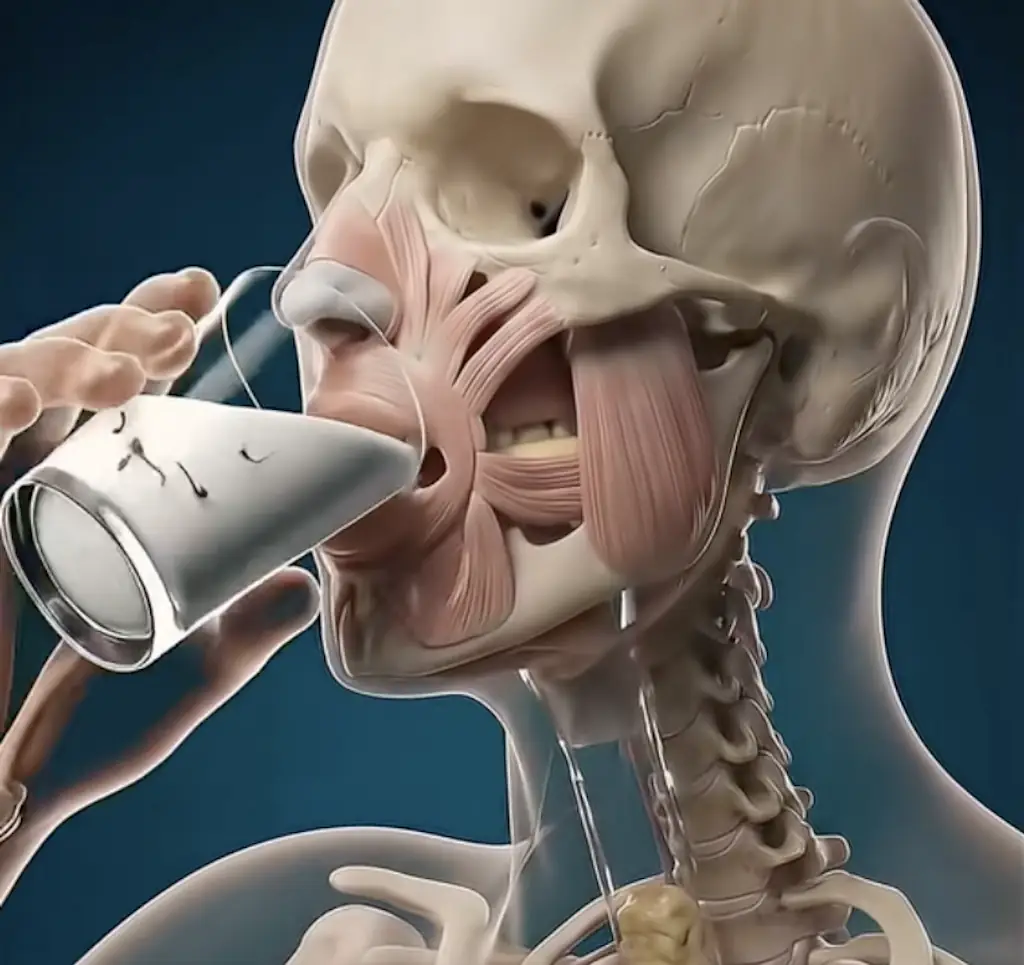
A simulation video has revealed exactly what happens if someone were to swallow semen after performing oral sex.
No, we're not joking.
There seems to be a simulation for everything nowadays, thanks to technological advances, especially AI.
So now, a simulation posted to TikTok has gone viral after showing viewers exactly what happens to semen as it passes through the human body.
The video has been uploaded to the social media platform by user Dr. Boogie, which reveals how the body processes semen after it enters through the mouth.
You may think that the skinless being at the start of the video is drinking milk, but that is meant to be the depiction of semen.
The post is captioned: "When semen enters your body, this is what happens..."
After the figure swallows the semen, it can be seen running down their throat, with the white liquid scattered and little shapes on show, representing sperm.
According to Healthline, sperm make up approximately "one-to-five-percent of semen," while something called "seminal plasma fluid" makes up the rest of the bodily substance.
This is made up of "mostly water", as the video narrates: "When semen is swallowed, it travels down the oesophagus just like any other swallowed fluid, reaching the stomach quickly."
Once it gets to this stage, acids in the stomach, such as pepsin, work to break down proteins and deactivate the sperm cells.
So contrary to the rumors you may have heard as a teenager, you cannot get pregnant from fellatio - a relief to adolescents up and down the nation.
While a small amount may stick around a bit longer in the stomach, the majority moves quite quickly and leads to "rapid but uneventful gastric emptying."
This then enters the small intestine, where digestion goes on as normal, as more enzymes are added in, which are responsible for "absorbing any small amount of nutrients".
This is only a small amount, as a mouthful of sperm essentially contains non-significant amounts.
While a small amount "may be absorbed into the bloodstream", unfortunately, it does not give the individual any nutritional benefits, as may have been believed when you were younger.
Basically, don't swap your protein shake out just yet.
Healthline explains that "you would likely have to consume gallons of semen to see any dietary health benefit".
They go on, explaining that "for the most part," semen is "safe" to ingest, but in "very rare circumstances," some might discover that they're allergic.
Semen doesn't take up much room in the stomach - it is soon digested and fully out of your body, eliminated as waste.
They also conclude the video by warning that you could be at risk of contracting an STI by swallowing semen, so it's important that you have an honest and open conversation with your partner.
health2 min(s) read
Published 16:03 26 Mar 2026 GMT
Researchers at the University of Oxford say they may have uncovered an unexpected downside to avoiding ejaculation, and it challenges a lot of common beliefs about male fertility.
Serial masturbators are famously uncool, but after recent studies carried out by Oxbridge scientists revealed that producing semen more often can benefit fertility, reaching for the lube can now be considered health-conscious.
When discussing fertility, women are often associated with a biological “ticking clock” because they are born with a limited number of eggs that age over time. Men, on the other hand, produce sperm continuously from puberty, and those sperm can be stored in the body before ejaculation. This means sperm can effectively “age” independently of the man himself.
For years, men trying to conceive have been told to abstain from sex for several days to build up sperm count. While that does increase quantity, the new research highlights a trade-off. The study found that sperm kept during abstinence actually “ages” and declines in quality.
After analyzing data from 115 studies involving nearly 55,000 men, researchers discovered that longer gaps between ejaculations were linked to worse sperm health. Motility (how well sperm swim) and viability both decreased, while DNA damage increased.
Scientists believe this decline comes down to two main factors. One is oxidative stress—described as a kind of biological “rust” that builds up and harms sperm. The other is energy depletion, as sperm are highly active cells that eventually run out of fuel when stored for too long.
Although current guidelines recommend abstaining for two to seven days before providing a sperm sample for testing or IVF, the findings suggest that shorter gaps may actually be better for sperm quality. Other studies back this up, showing improved IVF outcomes when ejaculation happens within 48 hours.
Frequent ejaculation, including masturbation, may help maintain healthier sperm. According to the researchers, it could offer an adaptive advantage because “it flushes out damaged, stored sperm.”
This pattern isn’t limited to humans either. Studies across dozens of animal species found the same trend: the longer sperm is stored, the more its quality declines, reducing the chances of successful embryo development.
Interestingly, sperm stored inside females tends to deteriorate more slowly, possibly because some species have evolved ways to protect and nourish it.
Overall, the findings suggest sperm, like eggs, have a kind of “use-by date.” And while many factors affecting fertility are outside a person’s control, this is one that isn’t—meaning avoiding long periods without ejaculation could help improve fertility outcomes.
health2 min(s) read
Published 13:35 16 Apr 2026 GMT
A new simulation has shed light on how female ejaculation works, offering a closer look at the anatomy involved and what the fluid actually contains.
At the center of the explanation are Skene’s glands, small structures located around the urethra in women and often described as the “female prostate.” These glands share a developmental origin with the male prostate, as both come from the same early embryonic tissue.
In the earliest stages of development, embryos, regardless of sex, have tissue that can develop into either testes or ovaries. This process depends on genetic signals, particularly the presence or absence of a Y chromosome.
If present, the tissue develops into testes and produces hormones like testosterone. Without it, the tissue becomes ovaries, leading to the development of female reproductive structures.
Skene’s glands are positioned on either side of the urethra, near its opening, and are relatively small, about the size of a pea. They are made up of clusters of cells that produce fluid, which drains through ducts into the urethra.
Although their exact role is still being studied, researchers believe these glands contribute to both urinary and sexual health. They may release fluid that helps lubricate the urethra, potentially reducing the risk of infection.
During sexual arousal, increased blood flow causes surrounding tissue to swell, stimulating the glands to produce mucus-like secretions that can enhance lubrication and comfort.
Some women experience a release of fluid during orgasm, known as female ejaculation. The source of this fluid is still debated, but Skene’s glands are thought to play a role.
Typically, the amount released is small, around “a teaspoon,” or roughly 3 to 5 millilitres, and is expelled through the urethra.
The fluid is described as looking “like watered down fat-free milk,” and notably, it “does not smell like urine.” Its composition is largely water, but it also contains electrolytes such as sodium, potassium, and chloride.
In addition, it includes substances like prostate-specific antigen (PSA), also found in male seminal fluid, as well as glucose, fructose, immune proteins, and mucus.
While the presence of PSA has led some to compare Skene’s glands directly to the male prostate, experts note that they are not identical in function. However, the similarities do suggest a shared biological role in reproductive and sexual physiology.
health3 min(s) read
Published 14:03 26 Mar 2026 GMT
Reesearchers at the University of Oxford believe they may have found the secret to maximising sperm health, and it goes against popular belief.
Eating copious amounts of pineapple to add to the flavour profile of male reproductive product, cutting out Dr. Pepper, and even regulating the temperature of testicles by keeping them in a more chilled environment like some kind of perishable food item – there are many tales surrounding sperm, but this one comes from respected science.
When it comes to fertility, women are often described as having a biological 'ticking clock' because they are born with a finite number of eggs. As they age, so do their eggs.
Men, however, produce sperm continuously from puberty, and those sperm can be stored in the body before ejaculation.
This means sperm can effectively 'age' independently of the man.
Men trying to conceive are often told to abstain from sex for several days to increase sperm count.
While this does raise the number of sperm, new research suggests there’s a downside: sperm stored for longer periods begin to deteriorate.
In fact, the study found that sperm kept during abstinence 'ages' and declines in quality.
Researchers analysed data from 115 studies involving nearly 55,000 men and discovered that longer gaps between ejaculations were linked to poorer sperm health.
Motility (how well sperm swim) and viability both dropped, while DNA damage increased.
Scientists believe this happens for two main reasons. One is oxidative stress, essentially a kind of biological 'rust' that builds up and damages sperm.
The other is energy depletion, as sperm are highly active cells that eventually run out of fuel if stored too long.
Current guidelines recommend abstaining for two to seven days before providing a sperm sample for testing or IVF.
However, the findings suggest shorter abstinence periods could actually improve sperm quality.
Other research supports this, showing better IVF outcomes when ejaculation occurs within 48 hours of providing a sample.
The findings also support an evolutionary theory.
Frequent ejaculation - including masturbation - may help improve sperm quality.
Researchers say it may have an adaptive benefit because 'it flushes out damaged, stored sperm.'
The study also found that this pattern isn’t unique to humans.
Looking at dozens of animal species, researchers saw the same trend: sperm quality declines the longer it is stored, and this can reduce the chances of successful embryo development.
Interestingly, sperm stored inside females tended to deteriorate more slowly, likely because some species have evolved ways to protect and nourish sperm internally.
Overall, the research suggests sperm, like eggs, have a kind of 'use-by date.'
While many fertility factors are outside of human control, this is one that isn’t.
Using fresher sperm - by avoiding long periods of abstinence - could potentially improve fertility outcomes.