


Health4 min(s) read
Cancer drug hailed as ‘life-altering’ receives FDA approval despite leaving patient’s skin ‘bloody and bubbling’

A new cancer drug praised as "life-altering" has obtained approval from the US Food and Drug Administration despite leaving patients’ skin "bloody and bubbling".
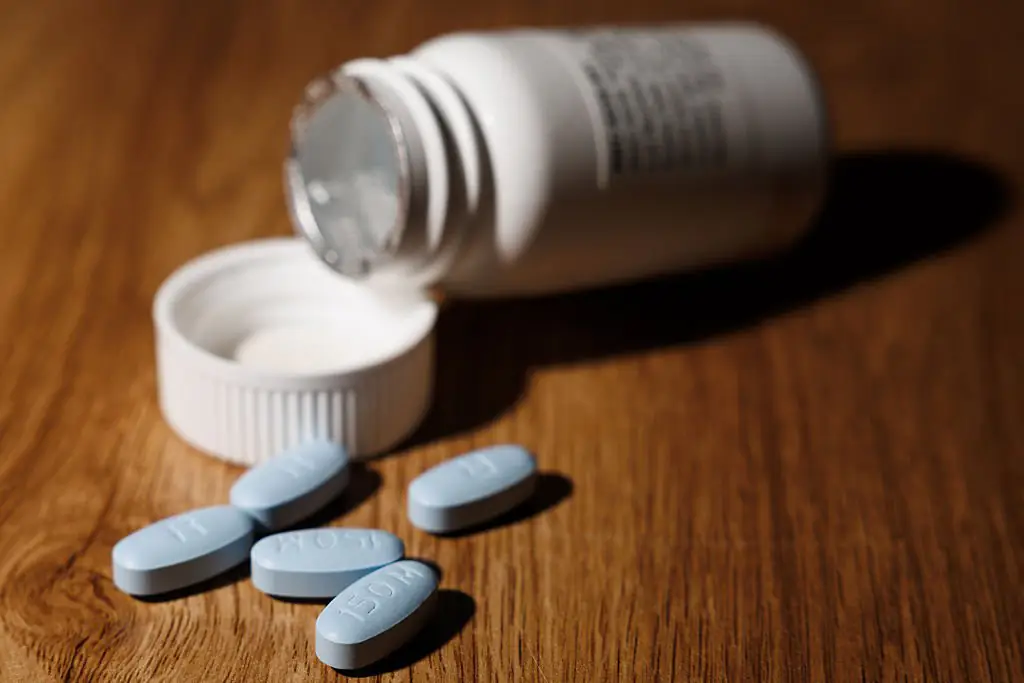
The drug, daraxonrasib, is made by Revolution Medicines and will be sold under the name Rasonque.
It is a tablet taken once a day and is designed to treat pancreatic cancer, one of the deadliest forms of the disease.
Trial results showed patients taking the drug lived for a median of 13.2 months, compared with 6.7 months for those receiving chemotherapy.
Dr. Nicholas Hornstein, a medical oncologist at Northwell’s Lenox Hill Hospital, called the difference "remarkable".
"This is life-altering," Dr. Carla Kurkjian, an oncologist at Mercy Hospital in Oklahoma City, told the Wall Street Journal.
"Not just for patients, as far as helping them extend their lives beyond anything we’d ever seen, but for us as physicians, to be able to have a different conversation than we’ve had for so long," they added.
How does the drug work?
Rasonque targets a mutated protein called KRAS, which can cause cancer cells to keep growing.
Hornstein compared it to a "stuck accelerator" inside cancer cells. "Scientists have been trying to block KRAS for decades with little success," he said.
Unlike some existing drugs that target a single version of KRAS, daraxonrasib appears to work against several versions.
Hornstein said this means it could help more patients and may also be useful for other cancers, including colorectal and lung cancer.
Early trials also produced promising results as about one-third of advanced pancreatic cancer patients taking daraxonrasib saw their tumors shrink, while most saw their cancer stabilize or improve.
When combined with standard chemotherapy, more than half saw their tumors shrink, and 90% had their disease under control.
The former senator suffered severe side effects
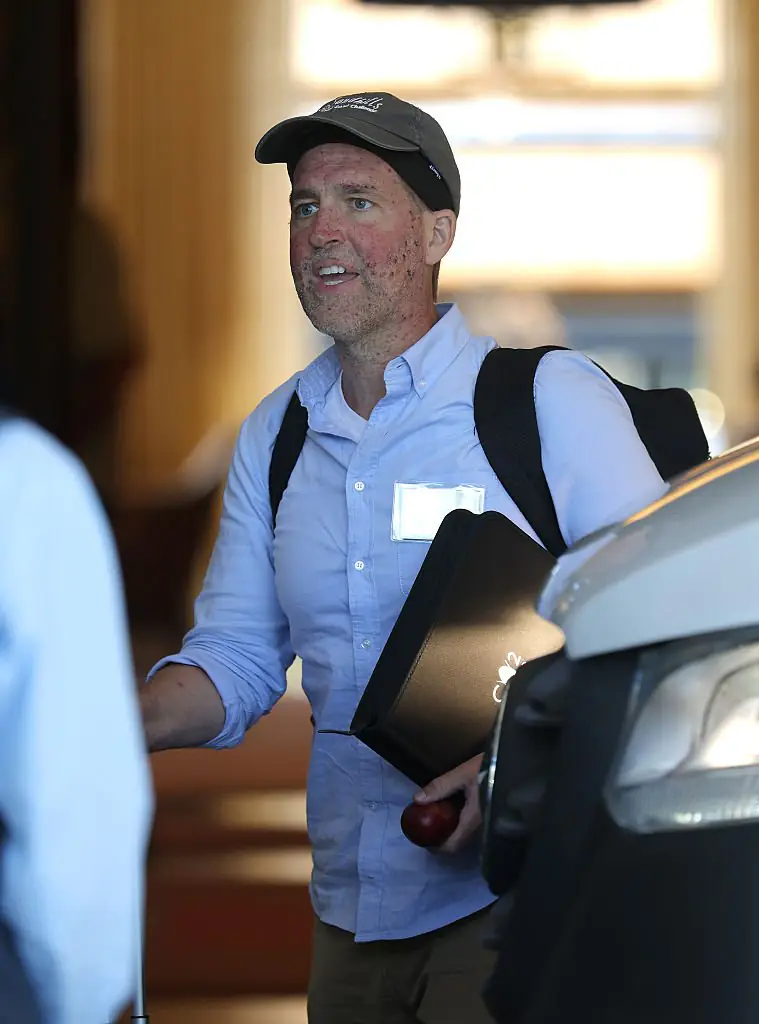
The treatment can cause skin problems, and former Nebraska Sen. Ben Sasse experienced a particularly brutal reaction.
Sasse, 54, was diagnosed with Stage 4 pancreatic cancer last year and has spoken openly about taking the drug.
"I take it orally, but it’s a nasty drug," he told the New York Times in April. "It causes crazy stuff like my body can’t grow skin and so I bleed all out of a whole bunch of parts of me that shouldn’t be bleeding."
The father of three described his skin and face as feeling "nuclear".
A pharmacist was reportedly so shocked by his appearance that they asked whether doctors had done something "electrical" to him.
"I don’t even know what that is, but either acid or electric shocks produce a face that looks this hideous," Sasse said with a laugh.
Despite the side effects, Sasse said his pain had fallen by around 80%, and the tumor volume in his torso was down 76%.
He was still dealing with a bloody face and "strong waves of desire to puke," and did not expect the treatment to result in a miraculous recovery.
Hornstein stressed that Sasse's severe reaction is not typical.
He said the toxicity is "generally far less than what Mr. Sasse reported".
"Additionally, involving onco-dermatology early and using some newer agents, we are having significant success in mitigating these side effects," he added.
Why the approval matters
Pancreatic cancer is difficult to treat because it is resistant to many standard cancer treatments.
It is the third-leading cause of cancer deaths in the US.
According to the National Cancer Institute, only 13.3% of people diagnosed between 2015 and 2021 were still alive five years later.
The FDA had already placed daraxonrasib in a new fast-track program in October to speed up access to promising treatments.
Acting FDA Commissioner Kyle Diamantas said its approval "provides a critical new option for patients facing an extraordinarily difficult and historically hard-to-treat cancer."
"It is our fundamental duty to deliver more cures and meaningful treatments to patients as quickly as possible," he added. "I am immensely proud of the dedicated FDA scientists whose fast, thorough review and relentless commitment made this groundbreaking milestone a reality."
Dr. Mark Goldsmith, CEO and chairman of Revolution Medicines, called the approval a "monumental opportunity for patients and their families".
Dr. Shafia Rahman, a medical oncologist at The Ohio State University Comprehensive Cancer Center, said the approval gives patients something they have long needed: hope.
"This is not the end of the story, but a meaningful beginning," he said. "For patients and families, this approval offers something we have not been able to offer before: a targeted therapy option that is both more effective and more tolerable.
"This is real, measurable hope that didn’t exist a year ago."