


Health3 min(s) read
Doctor issues warning over ‘world's most dangerous meal' that many people eat every day

A health expert has issued a major warning about a breakfast combination enjoyed by millions of people.
Cereal is a morning staple in many households, with the fibrous food often sold to us as the perfect meal to kickstart a day, so it might not immediately spring to mind when thinking about unhealthy foods.
Health expert warns against eating cereal
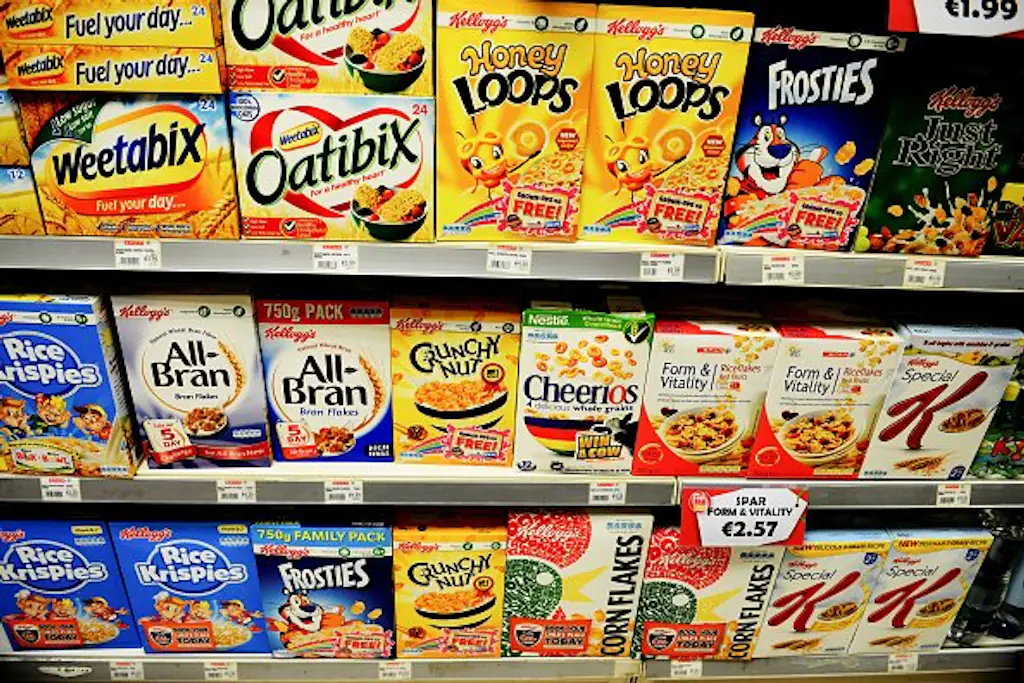
However, American health educator Dr Eric Berg, who makes clear that he is 'not a medical doctor', has warned against regularly consuming ultra-processed foods (UPFs), a category that includes many popular breakfast cereals.
Ultra-processed products can include ready meals, crisps, ice cream and fizzy drinks, as well as cereal and protein bars that are often marketed as convenient options for people trying to maintain a healthy lifestyle.
According to Berg, combining a bowl of cereal with a glass of orange juice could be particularly problematic.
“Many people think this meal is actually healthy and it's been normalized because so many people do it, including myself growing up,” he explained.
He went on to describe the breakfast as a 'sugar bomb' and a 'massive fructose overload', labeling cereal and orange juice together the 'most dangerous meal' a person could eat.
Although there are healthier varieties available, including wholegrain cereals and options containing more fibre, many well-known brands contain considerable amounts of added sugar that far exceed the recommended guidance for daily sugar intake, and as such, are heavily processed.
Berg argued that some varieties are effectively little more than sweets served with milk, pointing to the artificial flavourings, colorings, and seed oils used in certain products.
“It's the perfect definition of ultra processed foods. [The] ingredients that have been so altered [that] it no longer resembles its original structure,” he said.
He also warned that regularly eating sugary, highly processed cereals could contribute to liver damage and eventually lead to fatty liver disease.
Healthline similarly advises consumers to pay close attention to what goes into their breakfast bowl.
“Breakfast cereals are highly processed, often packed with added sugar and refined carbs.
“If you eat cereal, read the ingredients list and approach health claims with skepticism. The best cereals are high in fibre and low in sugar.”
Orange juice also might not be as nutritious as claimed
In terms of the drink of choice, orange juice, it is often viewed as a solid source of vitamin C and while fruit juice can contribute towards daily fruit intake, drinking juice is not nutritionally identical to eating a whole orange.
Orange juice contains naturally occurring sugars, and some shop-bought varieties also contain added sugar, which remove much of the fruit's fibre during juicing and can also make it easier to consume more sugar than you might by eating whole fruit.
Giles Yeo, author of Why Calories Don't Count, has previously criticized the perception that orange juice is automatically a healthy option.
“Orange juice is going in my room 101 of pet hates, because people think it’s healthy when actually, has the same concentration of sugar as a glass of Coke,” he told the Telegraph.
For those who enjoy orange juice, freshly squeezing oranges at home can be an alternative to some packaged products, particularly if it avoids added sugar and unnecessary additives.
However, fresh juice still contains naturally occurring sugars and generally has less fibre than eating the whole fruit, and while orange juice can provide useful nutrients, including vitamin C, portion size matters.
Ultimately, it might be wise to reconsider your breakfast of choice, replacing the highly processed cereal and orange juice with a healthier alternative.