ADVERT
Health3 min(s) read
Published 15:59 13 Jul 2026 GMT
Doctors and fire officials are warning parents about a dangerous social media trend involving NeeDoh Cubes after several children suffered serious burn injuries that required hospital treatment.
NeeDoh Cubes, made by toy company Schylling, are sensory toys marketed as being "designed to be as satisfying as they are fun." The range includes dozens of products such as the Cool Cats NeeDoh, NeeDoh Gummy Bear, and the NeeDoh Nice Cube. While the company has not disclosed exact sales numbers, it told ABC News the toys have achieved "double-digit growth year over year."
The warning comes after reports that children have been placing the toys in microwaves to make them softer, despite packaging that specifically warns users not to heat, freeze, or microwave the products. Authorities say the trend has resulted in severe burns after the toys burst open while hot.
The Nassau County Fire Commission and Fire Marshal's Office in New York described the social media challenge as "extremely dangerous" and warned it could "lead to severe injury or death."
According to reports, children have suffered second- and third-degree burns after overheated NeeDoh Cubes exploded. ABC 7 reported that nine-year-old Caleb Chabolla from Chicago was left with second-degree burns when a NeeDoh Nice Cube burst across his face.
His mother, Whitney Grub, said: "The right side of his face was kind of melting off, basically."
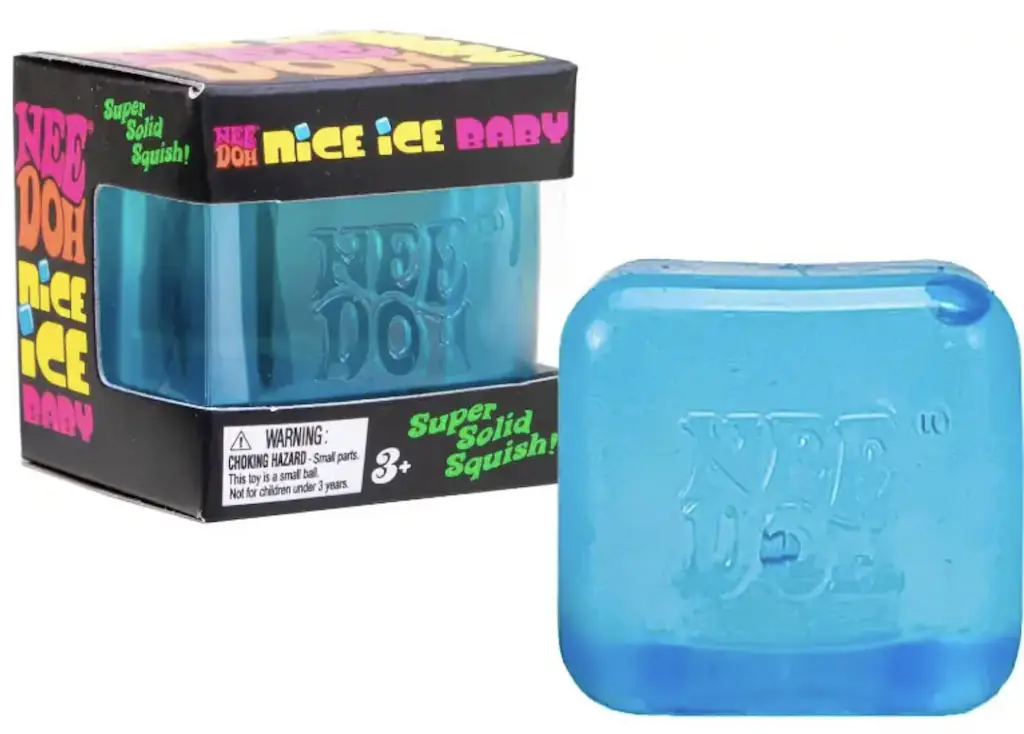
In a Facebook post, the Nassau County Fire Commission and Fire Marshal's Office said that "several children around the world have suffered third-degree burns to the face," including a child in Nassau County who suffered "second-and-third-degree burns."
"Toys are intended to be played with, as described on the label. Misusing a product by heating in a microwave, oven, or stovetop is dangerous," the post said.
"Parents, guardians, and other caretakers are urged to monitor any activities of children when they are in the kitchen. Accidents can happen to an adult in the kitchen, even if they take precautions, so for a child who doesn't know any better, the risk is even greater."
Dr. Alicia Webb, a pediatric emergency medicine physician at Children's of Alabama, also warned parents about the dangers of viral online challenges involving household products.
"Parents need to be aware of this trend and all dangerous social media challenges because they can pose a serious risk to children, and the children participating are not yet mature enough to recognize the danger for themselves," she told The New York Post.
She added that overheated toys can "easily explode, causing burns to the face, eyes, mouth, body, and can even cause internal damage if the hot substance is swallowed".
Dr. Michael Cooper, director of service for the burn unit at Northwell's Staten Island University Hospital, said children's skin is particularly vulnerable and that "even a brief contact with a hot substance can cause significant tissue damage."
Webb also warned that severe burns can leave children with lasting complications, including scarring and, in some cases, permanent disfigurement that may require skin grafts and specialized burn care. Cooper added that burn injuries may also result in "long-term psychological and cosmetic effects that may last well beyond the initial recovery period."
In a statement, Schylling said consumer safety remains its top priority and stressed that the products should never be heated or frozen.
"Ensuring the safety of our consumers is fundamental for Schylling," a company representative said. "We are disappointed to see there has been a trend on social media demonstrating misuse of our NeeDoh products. Misusing a NeeDoh product by microwaving, heating, or freezing is dangerous and could cause injury to the consumer."
The company added that it has worked with social media platforms to "remove influential content containing NeeDoh product misuse" and has included "a safety warning on NeeDoh packaging and our all e-commerce listings to help combat product misuse."
health3 min(s) read
Published 17:19 19 Nov 2022 GMT
A mom has issued a warning to parents after her son suffered a serious burn after playing with a piece of fruit.
Tiny Hearts Education (THE) - an Australian company that provides health training for parents online - recently shared some upsetting photos that showed a young toddler with some serious red burns on his skin.
In a five-photo carousel post on Instagram, the company recalled one mom's story about her son, Otis, emphasizing that everyone should be aware of injuries that can be caused by seemingly harmless everyday things.
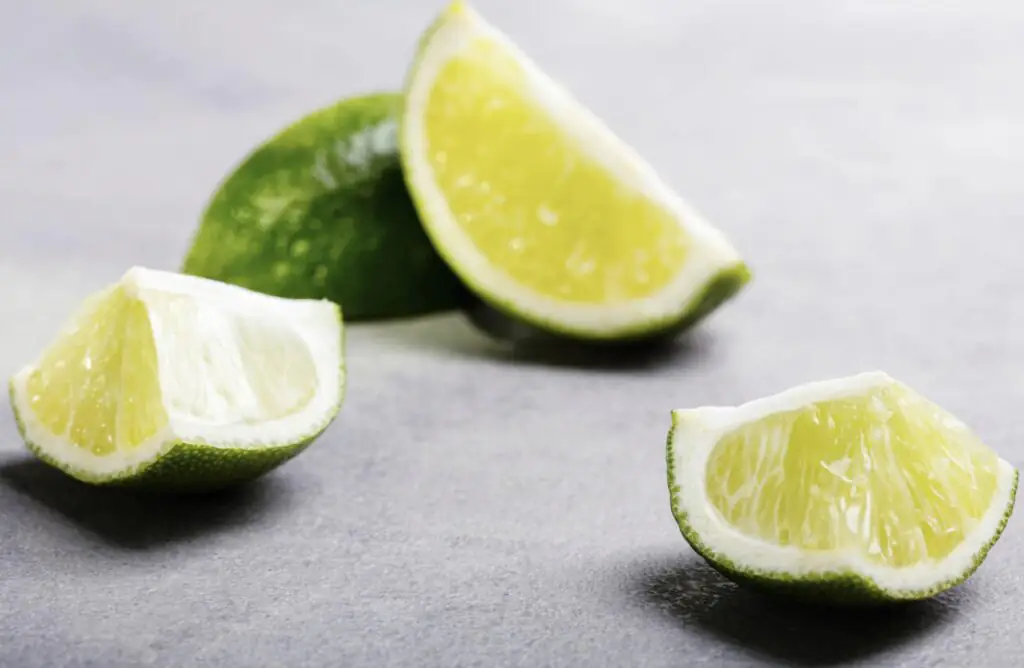
Talking about what is known as a "margarita burn", the post starts off by stating the trauma was caused by a piece of lime.
Check the photos out below (Warning - graphic images)"My son Otis was playing with a whole lime off our lime tree earlier that afternoon," the mom recalled. "...As parents, we thought nothing of it. How often do you see citrus fruits involved in parts of sensory play... And as an Occupational Therapist, I'm all for fun sensory activities!"
She then went on to say that while she didn't notice anything unusual on that day, the next afternoon, she saw a rash start appearing on her son's chest.
"What we thought was an allergic reaction to a juice he had that morning was actually the start of a not widely known reaction called a "Margarita burn" (also known as phytophotodermatitis)," she said. "[It] is a burn that results when a chemical called furocoumarin reacts with sunlight. This chemical is found in limes and other citrus fruit."
After rushing him to the doctors, the mom was disappointed when they had "no real answers" for her, so instead, she started doing her own research into the matter.
"I started doing more of my own research and was able to put two and two together… the small lime he had been innocently playing with on Friday had now burnt his skin horrifically!"
She later added that thankfully there would be no long-term scarring or any further health implications and that the family were going to regular appointments to ensure the best treatment is given to Otis.
At the end of the post, Tiny Hearts Education offered some more advice on how to avoid this happening to any other children as well as tips on how to look out for warning signs that they could be experiencing a "margarita burn".
"If your skin comes into contact with the chemical and the chemical becomes activated, a reaction can occur," they wrote. "Your little one may be at a greater risk if you have a history of contact dermatitis with other substances, such as metals and cleaning agents."
"I hope by sharing my story I can raise some awareness about phytophotodermatitis and the importance of watching little ones around any citrus fruits. If our story can help raise awareness into phytophotodermatitis at least something good has come out of our horrific experience," the mom added.
We're glad to see that Otis is doing fine now!
If you're looking for further information on the injury, head over to Healthline.com.
health5 min(s) read
Published 11:22 15 Dec 2025 GMT
Christmas is creeping ever closer, and if you're anything like us, you probably still have a few presents left to buy.
However, if any of those gifts are for children, a warning has been issued for parents to avoid getting any of these items - including some that could potentially be deadly.
According to the Child Accident Prevention Trust, these are the items you should never gift a child in order to prevent any unexpected trips to the ER, or - at the worst - even cause death.
One of the most dangerous items the trust warns against is anything with small, strong magnets, which may look innocuous but could actually cause serious injury or death.
It explained: "High-strength magnets can rip through a child’s gut if swallowed, causing very serious and even life-threatening injuries.
"Yet many cheaper magnetic toys from unknown sellers online can be far too strong to be safe. And may not come with safety warnings. Many have been recalled."
If you really want to buy any magnetic toys for a child, they recommend only purchasing from a reputable retailer or a trusted brand name as they are more likely to be safer than buying from a cheaper or unknown source online, which may not be made to such high standards.
They also warned that it's not just small children that are at risk of serous injuries or death from magnets, as many older children have accidentally swallowed magnets after putting them in their mouths or using them to create fake piercings.
It added: "Please teach older children about the dangers of putting magnets in or near their mouths and remind them to keep magnets away from younger brothers and sisters."
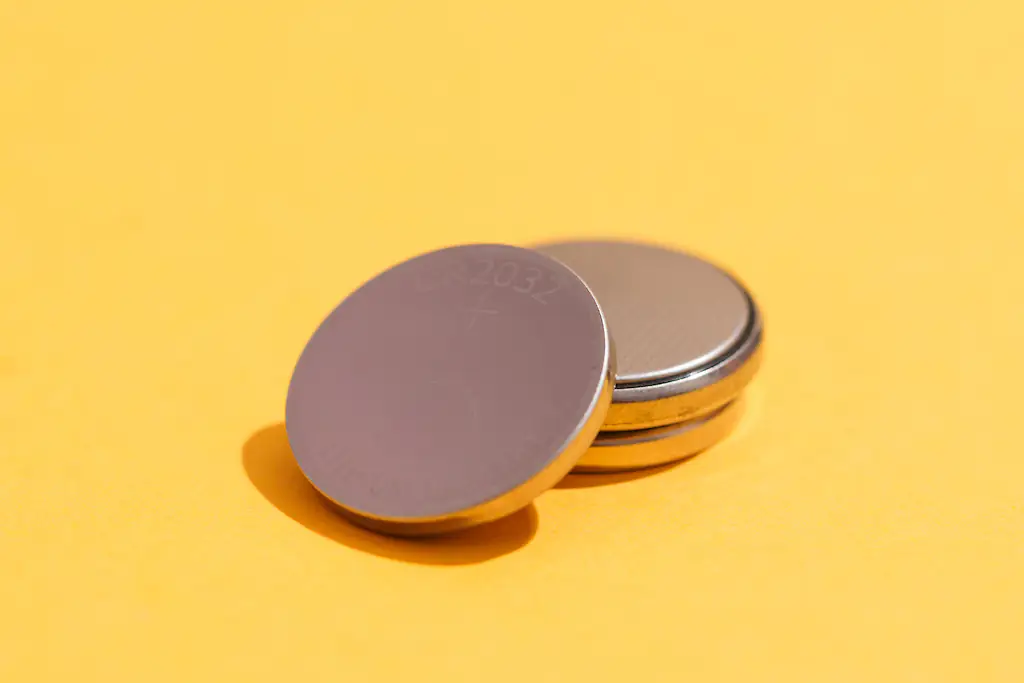
Another thing that could seriously ruin Christmas is anything with small button batteries that can be easily accessed.
The trust warned: "Button batteries can badly hurt or kill a small child if swallowed. Yet they will be found under almost every tree this Christmas."
Particular attention should be paid to any toys bought cheaply from unknown sellers online, light-up or moving decorations which are brought out for the holidays, as well as in gifts bought for other older members of the family or pets.
They also urged parents to check the packaging in case there are any spare button batteries loose inside, and to keep them in a safe place out of reach of children.
Any toys with button batteries should be checked to ensure the compartment is sealed with a screw or similar fastener to prevent children being able to gain access to the battery, and anything that doesn't have this should be kept well out of their reach.
Water beads are also a popular toy many children will be receiving this year, but they should only be played with under close supervision.
The brightly colored, squishy balls are very appealing to small children but could cause serious problems if swallowed.
Given that they retain water by design, the balls can absorb stomach fluids and swell to many times their original size, which could cause a serious bowel blockage.
The CAPT advises that they're never bought for children under the age of five, and any older children should be supervised when playing with them - ideally in a large tub with plenty of free space so stray beads can't escape onto the floor. All beads should be safely cleared away after use to prevent younger children or pets from accessing them accidentally.
Christmas is an expensive time of year, so many people consider cutting costs by buying copies of the most popular toys from cheap online retailers, often based overseas.
However, this could be setting yourself up for unknown risks as the quality is often far less strictly controlled, so the item may have cheap parts that break easily, button batteries that are easy for a child to access, hight strength magnets that could come loose, or harmful levels of chemicals.
The CAPT advises buying a smaller toy from a reputable retailer instead of a cheap copy, especially for children under three years old.
Aside from the obvious injury risks - especially when used without wearing protective helmets - these items house lithium-ion batteries which are known for starting explosive fires which can spread quickly.
Many have been recalled from sale - particularly cheap copies - and parents are advised to only buy from reputable retailers and manufacturers, and use only manufacturer recommended batteries and chargers and never leave them charging unattended or overnight.
Slime might be an incredibly popular children's toy but it can be an adult's worst nightmare, due to the mess and chance of it getting stuck to soft furnishings or a child's hair.
But the risks could run even deeper as certain slimes have been recalled for containing dangerous levels of certain chemicals including boron, which can cause irritation, diarrhoea, vomiting and cramps if ingested, and there is even concern it could cause harm to the reproductive system.
Their advice is to only buy from reputable brand names and retailers and never from unknown vendors online.
The message is clear - it's better to pay a little more for fewer items you know are likely to be safe and of higher quality than to buy hundreds of cheap trinkets from online sellers to fill up the underside of the tree, as it could end up with some seriously undesired consequences.
health3 min(s) read
Published 10:33 24 Jun 2026 GMT
An urgent warning has been issued to parents about a viral toy dumpling - especially if it begins to get a certain smell.
In recent months, one of the latest mystery toys to go viral is a squishy dumpling in a plastic dim sum box, with children clamoring to get their hands on the 'rare' colors.
As with other viral crazes, including Labubu dolls, when demand outstrips supply, a wave of fakes quickly hit the market to capitalize on those parents desperate to fulfill their little one's wishes to own one.
The mystery squishy dumplings, originally created by RMS International, went viral on TikTok as users shared thousands of videos of them unboxing the different colored toys, hoping to get a glittery version.
Trading Standards have now issued a warning to parents about the safety of counterfeit dumplings, urging parents to throw away any that have a strong chemical smell, especially one similar to petrol.
Swansea Council revealed it had tested various seized counterfeit products and found that many of them contained volatile organic compounds (VOCs) such as Ethyl Benzene, Styrene, m-Xylene, p-Xylene and o-Xylene.
Rhys Harries, Swansea Council's Trading Standards Officer, warned: "When a toy gives off a strong chemical smell and is missing basic safety information, that should ring alarm bells for parents and retailers alike.
"Our main concern is the risk posed to children if unsafe items end up in homes, school bags or play areas."
Glasgow City Council Trading Standards officers also revealed that they'd seized almost 6,000 counterfeit toys from a warehouse in the city earlier this month, and shared concerns that they may contain harmful chemicals.
Laura Doherty, Glasgow city councillor and city convener for Neighbourhood Services and Assets, explained: "The items which have been recovered pose serious dangers to anyone using or playing with them."
According to Science Direct, the danger stems from gases given off from the materials used in tactile toys, which can cause a series of short- and long-term health issues.
The outlet states: "Children are particularly susceptible to these chemical insults because their respiratory, immune, and neurological systems are still in critical stages of development.
"Furthermore, their higher inhalation rates relative to body mass can lead to a greater internal dose of pollutants compared to adults (Heinrich, 2011).
"Chronic exposure to indoor VOCs during early childhood has been scientifically linked to adverse health outcomes, including the exacerbation of respiratory symptoms such as asthma and allergic rhinitis, as well as potential neurodevelopmental impairments (Boyle et al., 2011, Mendell, 2007)."
Health concerns can include nausea, headaches, skin irritation, and breathing problems, as well as posing a choking hazard for small children.
Parents have been told to check for a few signs to see if their dumpling toy is genuine, with legitimate RMS dumpling toys containing a UKCA/CE marking, which indicates the toy has been safety assessed, age restriction information and safety warnings, as well as details of the manufacturer.
If the toy does not contain the above information, there is a high chance it is counterfeit, meaning it may not be safe for a child to play with. Parents are advised to dispose of the toy if they notice it has a chemical smell.
entertainment news2 min(s) read
Published 16:15 18 Nov 2018 GMT
In the latest instance of The Kids Are Not Alright, teens are reportedly setting themselves on fire to get likes on social media and become "social media stars", according to hospital bosses.
The latest Instagram trend, "The Fire Challenge", asks youngsters to set themselves alight in order to boost their popularity on the internet. Many have been hospitalised as a result, with serious burns, some of which have even required surgery and life-support treatment.
The rise in the number of wannabe "social media stars" admitted to hospital with serious burns has been confirmed by staff at the specialist burns unit at Swansea's Morriston Hospital.
While Abertawe Bro Morgannwg University Health Board has not disclosed the exact number of patients they have treated as a result of the dangerous challenge, they have issued a warning to anyone taking part in the online dare.
The challenge originated in the United States, and started in 2012 after YouTuber, 1BlazinEagle1, uploaded a video of him lighting his chest hair on fire. By 2014, the video had garnered over 100,000 views, and other youngsters were inspired to try it.
In August, 12-year-old Timiyah Landers from Detroit burned 49 per cent of her body in the dangerous trend.
[[facebookwidget||https://www.facebook.com/photo.php?fbid=1051479675001248&set=a.338933996255823&type=3&theater]]
Timiyah was with two friends at her home in Michigan, and her mother, Brandi, was making them pancakes. Just minutes after she had left the girls on their own, Brandi heard a "loud bang" and Timiyah was engulfed in flames. Her stepfather splashed water on her body whilst her mother tore off her burning clothes.
Timiyah was taken to hospital and subsequently put on a ventilator in intensive care.
Speaking about the recent phenomenon, Jeremy Yarrow, a plastic surgeon at Morriston hospital said: "I can understand there is pressure on young people to gain acceptance or boost their online profiles by doing such risky things as these challenges. But from the patients I see, the results can be very different, with some requiring life support treatment and many left with lifelong scars. In some severe and sometimes life-threatening cases, they are admitted to hospital for long periods of time for complex surgery resulting in long term mental and physical issues."
[[facebookwidget||https://www.facebook.com/timiyah.landers]]
This comes days after it was reported that youngsters in Indonesia are drinking boiled sanitary pad water in order to get high.
According to reports, the adolescents live in abject poverty on the streets of cities such as Kudus, Pati, Rembang and West Semarang.
The kids, who are typically between the ages of 13-16, take the sanitary towels (some of which have been used already) and boil them in water. This distils the chemical gels inside, which gives them a high similar to that experienced by huffing glue.
Commenting on this worrying social issue, Senior Commander Suprinarto, a representative from the National Narcotics Agency said, "The used pads they took from the trash were put in boiling water. After it cooled down, they drank it together... The materials they're using are legal, but they're not being used in a way that's intended, so it ends up being used like a drug. We need to take steps to educate people that there are materials that aren’t classified as drugs or psychotropics in the eyes of the law, but can still be misused."
us3 min(s) read
Published 10:04 13 Jan 2024 GMT
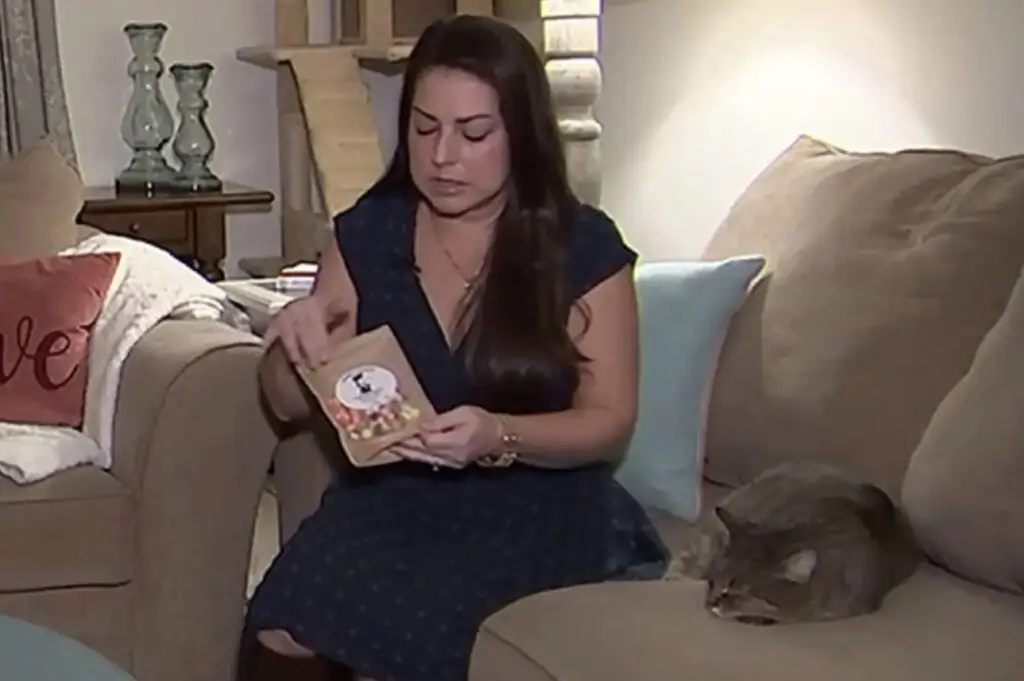
A 6-year-old boy from North Carolina spent hours in the emergency room after mistakenly consuming THC-laced candy that his family purchased.
The incident occurred during a family outing in Charlotte's South End neighborhood, where they stopped for lunch at the Common Market. Speaking to the New York Post, the parents described the business as an "uncommon convenience store, deli, and bar".
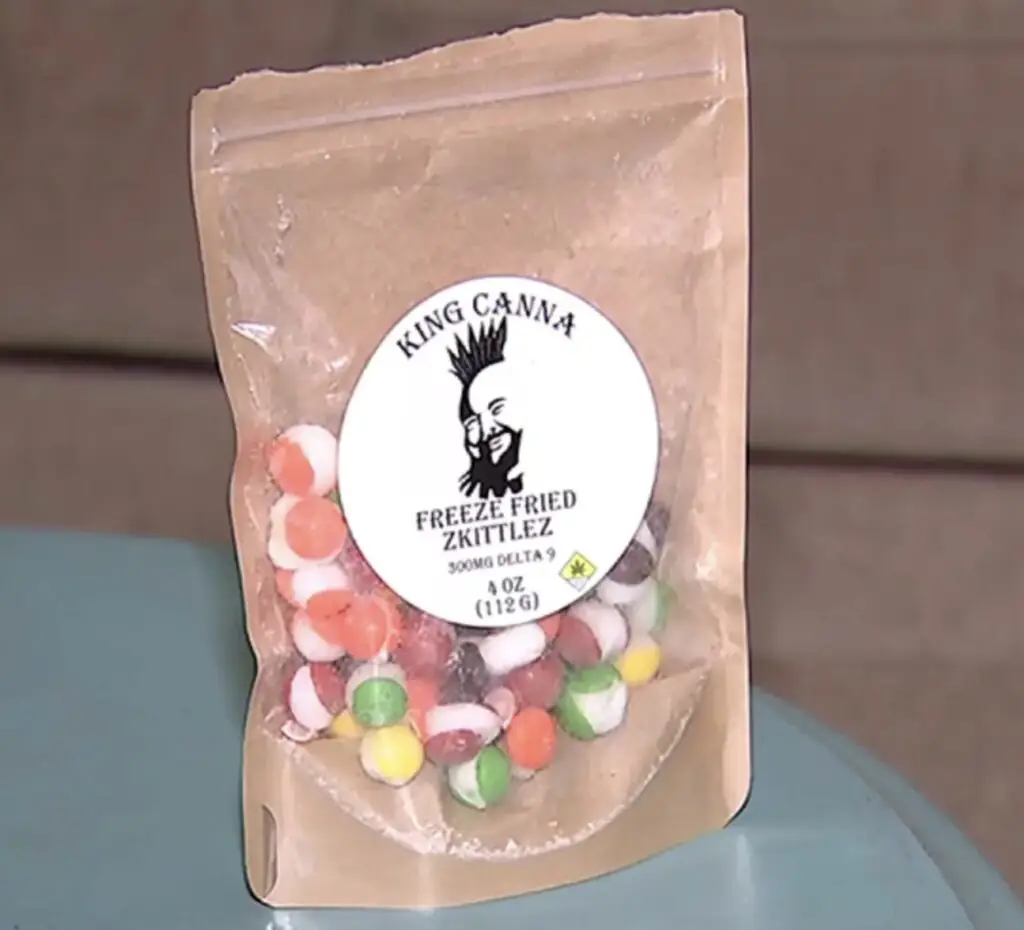
The young boy, intrigued by the unfamiliar candy displayed on the counter, persuaded his mother to buy it. However, the cashier failed to inform the parents - who believed the candies were freeze-dried Skittles - that the product contained THC.
Mom Catherine Buttereit revealed to The Post that her son had seen these types of Skittles in a YouTube video and had wanted to try them for some time.
The family - including several other children - tried the candy, with the boy consuming around 40 pieces while others had one or two.
Soon after, the child began experiencing adverse and painful effects, including a burning pelvic area, freezing chest, headache, and stomach discomfort.
"He was in excruciating pain," mother Catherine told The Post.
Concerned about his well-being, his mother swiftly called 911, suspecting poisoning after the boy complained that the water tasted "disgusting". It was then discovered that the candy was laced with Delta-9 THC, the primary psychoactive component of the cannabis sativa plant.
Doctors estimated that the child had consumed approximately 13 times the adult dosage of THC for his 40-pound weight. Although Delta-9 THC is considered therapeutic, the long-term effects on a child of his age and size were unknown.
After a 17-hour sleep at the hospital, the boy woke up and his pain had fortunately subsided.
Despite marijuana being illegal in North Carolina, Delta-9 THC products with up to 0.3% content can be sold in various stores throughout the state, including convenience stores and online shops. Some packages may include a suggested 21 and over age label, but enforcement of age restrictions is not mandatory.
The Common Market, where the incident occurred, reportedly has a policy of IDing customers similar to alcohol sales and typically keeps the candy in a Plexiglas case behind the counter, out of reach of customers.
The Post reports that although the store in question did not respond to requests for comment, it confirmed that the candy should have been secured and that staff is trained to educate customers about such products.
The incident has raised concerns about the availability of THC-laced products in family-friendly settings. Buttereit hopes to raise awareness among parents and caretakers about these new drug products being accessible in places where children are present. She emphasized the importance of business owners taking proactive measures to ensure these products do not end up in the hands of children.
"I'm really just trying to bring awareness to other parents and caretakers that this extremely new drug product is available now in family-type settings where children are going to be, not only in exclusive vape-type shops anymore," said Buttereit.
She did acknowledge her own negligence as a parent but stressed that businesses must do their part in educating employees and preventing such products from reaching children.