


Health4 min(s) read
Warning of health risks of drinking extremely hot drinks
.webp_lli6Ty?tr=cr-74.9.445.380,f-webp,q-70,w-100)
A warning has been issued for those who like to enjoy a steaming hot cup of tea or coffee - and it something most people do quite often.
Drinking a hot beverage is something many people enjoy, whether it's to get a much-needed daily boost of caffeine, or something soothing when you're feeling under the weather.
However, that scalding hot cup of Joe could be doing you more harm than good, according to new research.
A new report, shared by the International Journal of Cancer, suggests that regularly drinking beverages including tea and coffee at extremely hot temperatures could increase the risk of esophageal cancer.
.jpg_Yiuo1l?tr=cr-0.0.2121.1414,f-webp,q-70,w-1024)
Per the Mayo Clinic, the esophagus is a long, hollow tube that runs from the throat to the stomach, which helps move swallowed food from the back of the throat to the stomach to be digested, and cancer can happen anywhere in the length of it.
The study, which comprised of almost a million people, is the largest to date to make the link between hot drinks and cancer of the esophagus.
The study showed a correlation between people who had their drinks "very hot" having a three times higher risk of esophageal cancer than those who enjoyed their beverages "warm".
Though the findings may be concerning for some, experts have stressed that the overal chance of developing this cancer remains low.
The increased risk is down to hot liquid being able to damage the cell lining of the food pipe as it travels towards the stomach.
The study, by Oxford University, defines a "very hot" drink as being 149 degrees Fahrenheit (65 degrees Celsius) or above, which could pose a potential risk.
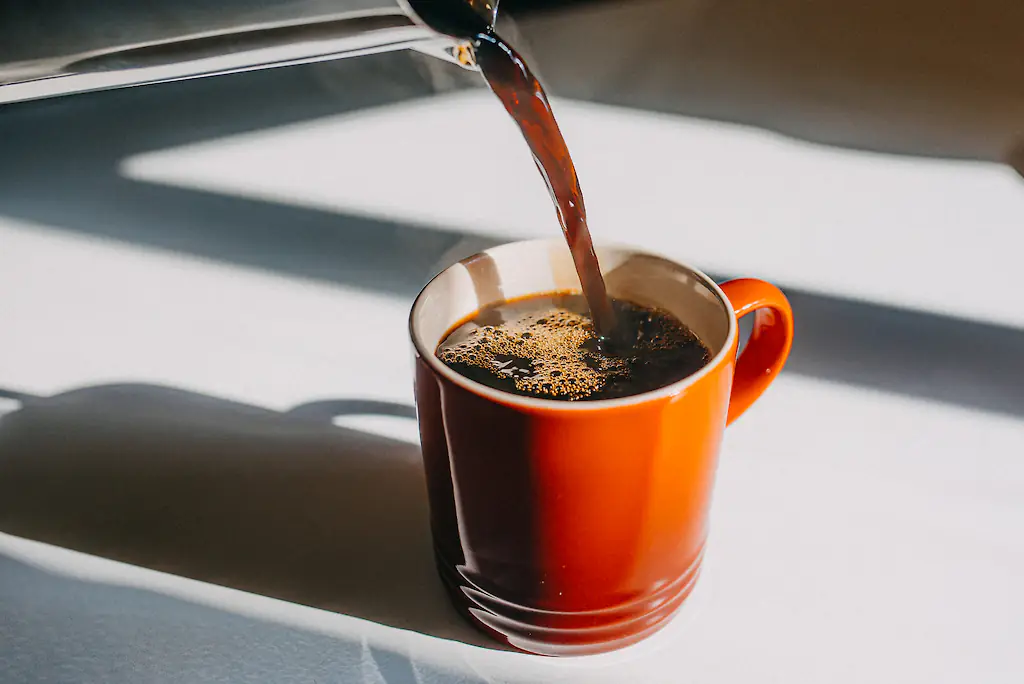
The data, which was compiled from 977,282 middle-aged men and women, showed that consuming six or more hot drinks per day also increased the risk.
Researchers warned that having milk in your hot drink isn't enough - though it can cool it down slightly, a milky tea or coffee might still be too hot.
According to the research, tea that is made immediately after a kettle is boiled is at boiling point (212 degrees Fahrenheit/100 degrees Celsius). When poured into a cup, it lowers to around 194-203 degrees Fahrenheit (90-95 degrees Celsius).
Hot drink lovers have been warned to wait a few minutes before drinking, to allow the beverage to cool to a safer temperature before it enters your body.
Cancer Research UK also highlighted that it is difficult to put an exact time on how long a drink should be left to cool before it is considered of lower risk, stating: "But if you're worried, we'd suggest just waiting until it's comfortable to drink rather than drinking it while it's still very hot."
Lead researcher Dr Keren Papier said research in South America - where many people drink a very hot herbal beverage called mate - had already shown a similar link between hot drinks and esophageal cancer, but added: "More research is now needed to identify the exact drink temperatures linked to this increased risk."
Though the link may be worrying for those that love an extra hot drink, researchers believe that only one or two in every 10 esophageal cancers could be avoided if people stopped drinking very hot beverages.
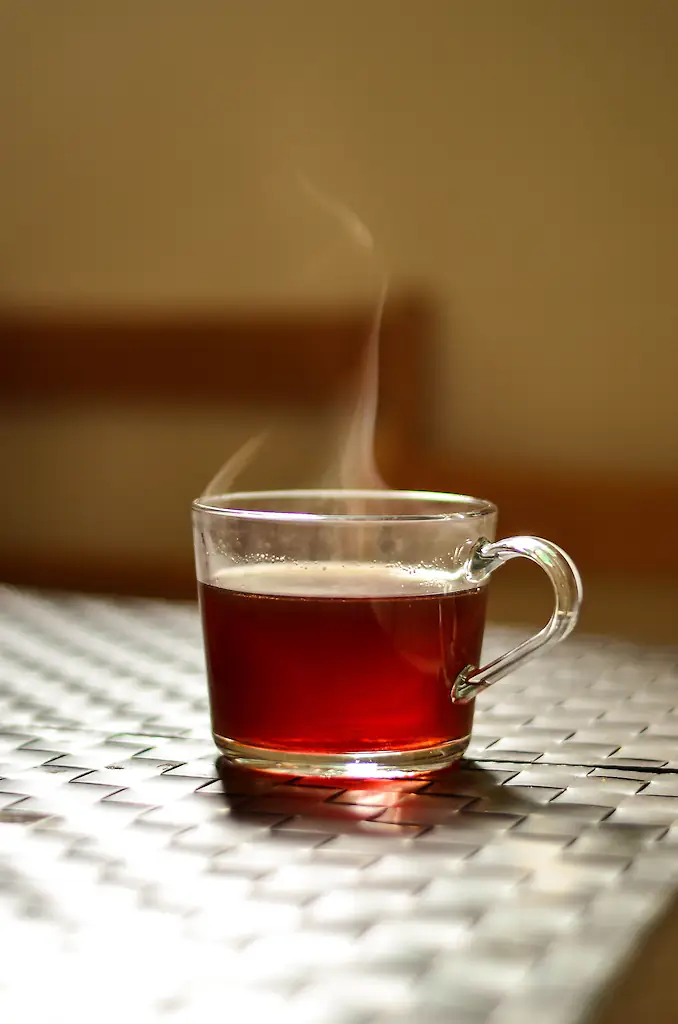
Squamous cell esophageal cancer remains rare, only affecting a few thousand people per year, meaning that even if hot drinks can increase someone's risk of developing it, the overall chances of them getting this form of cancer remains low.
Other factors, including smoking or drinking alcohol, have a far higher risk for esophageal cancer overall.
Fiona Osgun from Cancer Research UK, which funded the study, added: "The most important ways to reduce the risk of this cancer type are not smoking and cutting down on alcohol."
Symptoms of the disease can include a pain in the throat or chest, unexplained weight loss, heartburn, or indigestion.
While the research doesn't mean you should quit hot drinks entirely, it might be worth waiting a few minutes longer before you take your first sip, to allow it to cool down.