


Health3 min(s) read
Six year update after identical twins revealed surprising results when one used botox for 20 years and the other didn't

Identical twins who famously chose different paths with Botox recently had their looks compared in an updated photo, six years after the last.
Physically indistinguishable twins often share almost 100% of the same DNA, with their identities forever confused by others, but two sisters decided to put their identical looks to the test, with one opting to use Botox consistently 20 years ago, while the other chose not to.
The 20-year Botox study
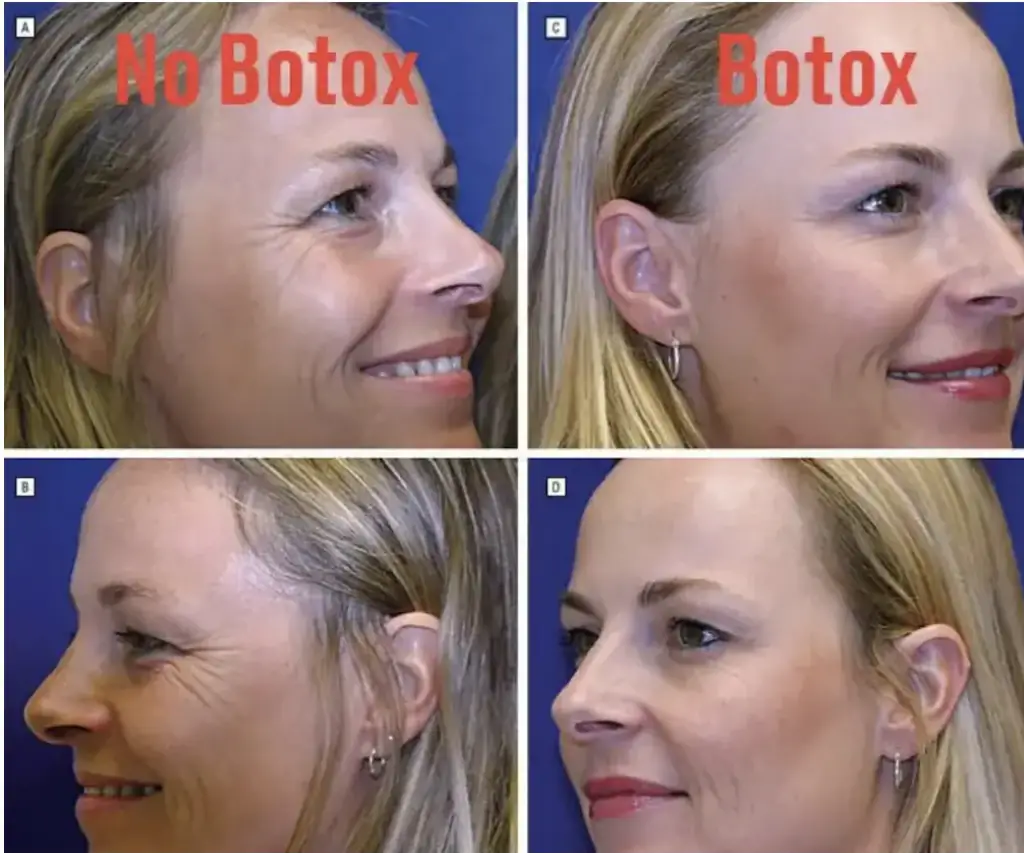
The women, who now live on different sides of the world, have been studied by a Los Angeles cosmetic surgeon, Dr Binder, who, in 2006, began treating one of the women and not the other with the drug botulinum toxin for a very specific scientific study.
Botox is one of the most popular cosmetic treatments in the United States, and with its anti-aging effects, it significantly reduces the appearance of wrinkles by blocking signals from nerves to the muscles, creating a smoother and more youthful appearance.
With its neurotoxic effects ensuring skin remains relatively ageless and free from creases, lines, and signs of aging, Dr Binder’s unprecedented study emphasized the sheer difference between the twins after 20 years.
One of the sisters received two to three Botox injections a year for over a decade, with the injection being administered between her eyebrows.
The difference between the identical twins was clear, with the sister who had received regular Botox injections showing noticeably smoother skin and fewer wrinkles after years of treatment.
Her untreated sibling, meanwhile, had more pronounced crow's feet when smiling, alongside more visible lines across her forehead.
Expert explains results
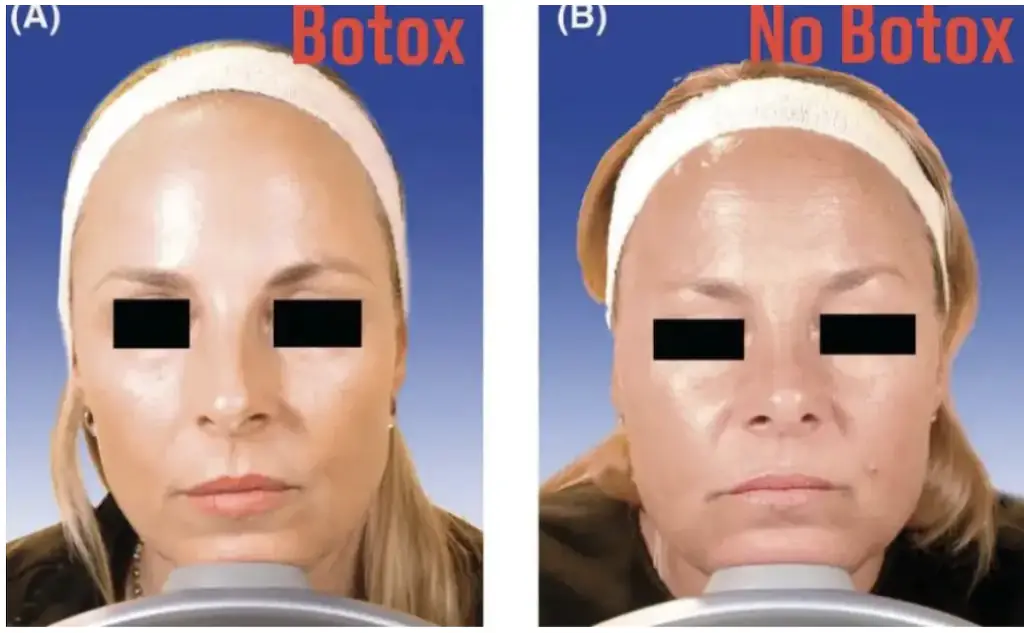
According to Dr Binder, the treated twin's results could be down to the way Botox affects facial muscles over time, suggesting the injections may work "not only by inhibiting the patient's ability to contract the target muscle but also perhaps through behavioral modification".
"With long-term treatment, the patient may become used to having little, if any, need or ability to contract the target muscle and may eventually 'learn' to avoid even trying to contract it," he explained.
The untreated twin, however, had not benefited from the same effect, with the the study finding that areas of the women's faces which had not been treated with Botox "showed comparable aging in both twins".
Its overall conclusion was that: "Long-term treatment with Botox can prevent the development of imprinted facial lines that are visible at rest. Botox treatment can also reduce crow's feet."
Dr Binder revisited the pair six years after the original research, when both women had reached the age of 44, to see how their appearances had changed.
By then, the twin who had initially received regular Botox injections was still having treatment every four to six months, although she had reduced her dosage in recent years.
Her sister, who had previously avoided regular injections, had received Botox on just two further occasions during the intervening years, and the contrast between them had become even more noticeable.
Dr Binder and Dr Alexander Rivkin, described their appearance, writing: "The skin texture of the treated twin looks smooth with small pores, whereas skin of the sporadically treated twin shows signs of aging with a greater number of wrinkles and visible pores."
Looking at the results, Dr Binder argued that the twins offered photographic evidence that "repeated treatment continues to diminish the signs of facial aging and delay the appearance of hyperfunctional facial lines".