


Health3 min(s) read
Popular non-alcoholic drink dubbed 'liquid death' can dramatically increase your likelihood of stomach cancer

New research has suggested that often consuming sugary drinks could be linked to a potentially higher risk of stomach cancer.
Researchers assessed health information from over 112,000 adults and compared their dietary habits with cancer diagnoses recorded over several decades.
The research found that people who consumed at least one beverage containing added sugar every day were a whopping 2.4 times more likely to develop the type of cancer than those who reported having never drunk them.
The association appeared even stronger among women, who had roughly three times the risk, while men had approximately double the risk.
However, those overseeing the study have warned that their findings do not categorically prove that sugary drinks cause stomach cancer, and further studies are required to actually establish whether there is a direct correlation.
Andrew T Chan, senior author of the study and a gastroenterologist at Massachusetts General Hospital, described the research as an important first step.
“This is the first study to demonstrate an association between sugar-sweetened beverage intake and gastric cancer in a US population,” Chan said.
“Gastric cancer is the fifth leading cause of cancer death worldwide, but we've known very little about how diet might contribute to this cancer.”
What does the research study suggest?
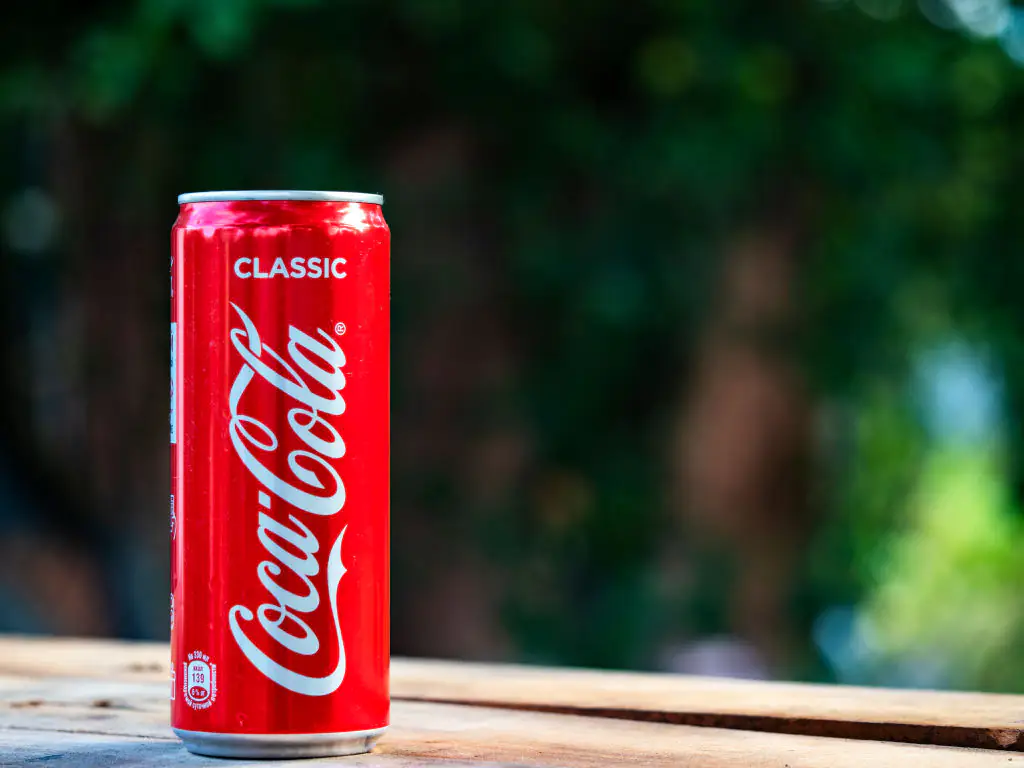
The research, published in Gastro Hep Advances, drew on data from 112,284 participants enrolled in the Nurses' Health Study and Health Professionals Follow-Up Study.
Participants provided information about their diets through questionnaires completed every two years, including their consumption of drinks such as soda, lemonade, punch and sports drinks.
Researchers recorded 278 cases of stomach cancer between 1986 and 2022.
After accounting for other potential risk factors, those drinking at least 8oz (237ml) of a sugar-sweetened beverage each day were 2.4 times more likely to develop gastric cancer than people who did not consume the drinks.
Surprising findings from the study
Interestingly, drinks containing artificial sweeteners were not associated with an increased risk in the analysis.
The scientists said several possible explanations could exist for the apparent relationship between sugary drinks and stomach cancer.
These include weight gain, insulin resistance, hormonal changes, inflammation, DNA damage and changes to the gut microbiome.
However, they stressed that the precise biological mechanism remains unknown.
“Several underlying mechanisms have been proposed, including weight gain, insulin resistance, steroid hormone imbalance, inflammation, DNA damage and dysbiosis [a gut microbiome imbalance],” the researchers wrote.
“However, the precise mechanism of carcinogenic effects of sugar-sweetened beverages has yet to be investigated.”
The findings come amid concerns about increasing rates of stomach cancer among younger adults.
Although stomach cancer cases declined for much of the 20th century, diagnoses among people under 50 have reportedly been increasing by around one per cent annually since the 2010s.
Researchers have suggested a number of potential contributing factors, including ultra-processed foods, antibiotic use and infection with H. pylori bacteria.
Early symptoms can also be difficult to identify, with abdominal discomfort, bloating and frequent burping among the possible warning signs.
According to the American Cancer Society, around 31,500 people in the US are diagnosed with stomach cancer each year, with almost 11,000 deaths.
The researchers emphasised that much more work is needed before a definitive link between sugary beverages and stomach cancer can be established.
“Future studies are warranted to confirm these findings as well as to investigate the potential biological mechanisms involved,” they concluded.