


Health4 min(s) read
Experts reveal how to protect yourself from drug-resistant sexually transmitted diarrhea

Experts have revealed how to protect yourself from 'close to untreatable' drug-resistant sexually transmitted diarrhea.
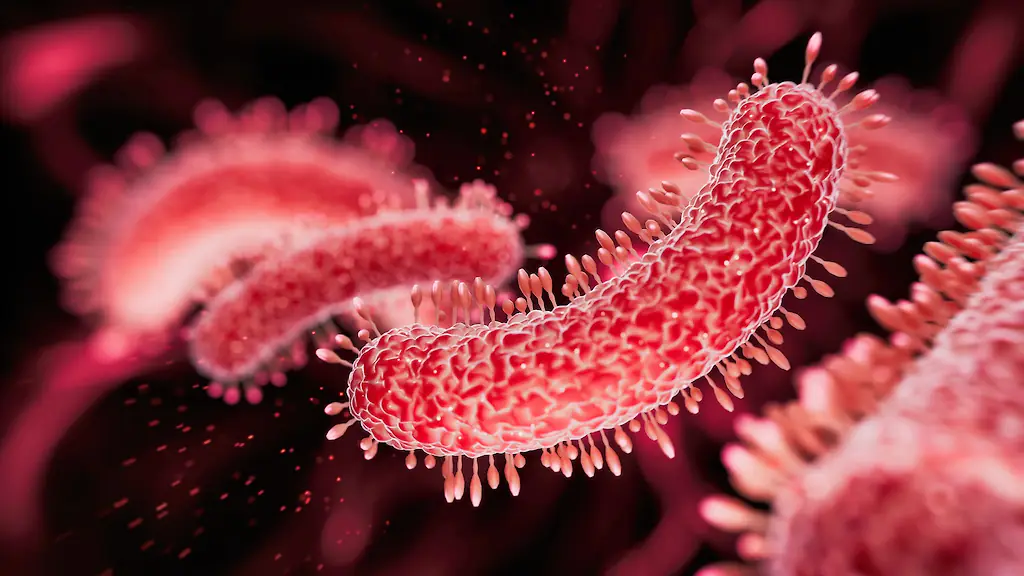
Shigella, a highly contagious bacterium, causes an estimated 450,000 infections in the United States every year.
Symptoms can include severe diarrhea, sometimes containing blood or mucus, stomach cramps, abdominal pain, fever, and vomiting.
While many people can recover without medical intervention, certain infections can lead to serious complications, including severe dehydration, shock, neurological problems, and potentially life-threatening infections.
Now, experts are raising concerns about how quickly the bacteria are spreading through sexual contact and why some variants are becoming difficult to treat.
How is Shigella spreading through sex?
Shigella spreads through infected feces that gets into the mouth because of poorly washed hands, or swallowing tainted food or water.
The bacteria are highly infectious, and as few as 10 organisms can make you sick.
Children younger than five have been among those most vulnerable as they would get it in daycare centers and schools where hygiene habits are developing.
International travelers visiting areas with bad sanitation and people experiencing homelessness also face risk.
However, researchers have found that there is growing transmission among gay and bisexual men and men who have sex with men.
A doctor named Carlton Thomas, a gastroenterologist and host of the Butt Honestly podcast, revealed that he became seriously ill after a sexual encounter at a gay bar in Fort Lauderdale, Florida, last year, The Advocate reported.
Thomas shared that he engaged in oral sex inside the venue’s dark room play space, but it wasn't until several days after returning home that he developed diarrhea, dehydration, extreme fatigue, and a fever that reached 104 degrees Fahrenheit.
The doctor's condition became worse when he began having bloody diarrhea, eventually needing IV fluid bags to treat his dehydration.
He was eventually treated with the antibiotic azithromycin, and his symptoms improved over the next 24 hours.
A July 2026 research paper revealed that sexually transmitted variants of the bacteria in the UK spread 15% faster than infections associated with travel, food, or nursery outbreaks.
Scientists believe sexual transmission may now be a major route of infection within certain communities, although inconsistent questioning about sexual history makes the true scale hard to establish.
Cambridge geneticist Kate Baker, a lead author on the July study, warned that many people are unaware of the risks.
"Many men who have sex with men are unaware of the serious and increasing risk posed by sexually transmitted Shigella," she said.
.jpg_swI7Lu?tr=cr-0.0.2121.1414,f-webp,q-70,w-1024)
How can you protect yourself?
Most people infected with Shigella recover within approximately a week without needing antibiotics.
Rest and drinking plenty of water are good for mild cases, although more serious infections require medical treatment. Doctors can prescribe antibiotics to help shorten the duration of the illness and reduce the chance of it spreading to others.
However, extensively drug-resistent stains are a big challenge because they are resistant to several of the antibiotics used against Shigella.
The CDC has warned that no FDA-approved oral antibiotics are available for extensively drug-resistant Shigella infections, making laboratory testing and specialist guidance especially important in severe cases.
Health officials have emphasised several precautions that can reduce the likelihood of the infection, such as washing your hands, genitals, and anus with soap and water before and after sexual activity, as well as cleaning sex toys thoroughly.
Experts also state that using protective barrier methods like condoms and dental dams can lower risk.
Because Shigella can remain in stool after symptoms disappear, the California Department of Public Health recommends: "Don't have sex with someone who has had diarrhea in the last two weeks."
If you experience persistent diarrhea, bloody stools, fever, or signs of dehydration, then you need to seek medical advice.