


Health3 min(s) read
Science just found new side effect of regular masturbation and it's left people gobsmacked

Reesearchers at the University of Oxford believe they may have found the secret to maximising sperm health, and it goes against popular belief.
Eating copious amounts of pineapple to add to the flavour profile of male reproductive product, cutting out Dr. Pepper, and even regulating the temperature of testicles by keeping them in a more chilled environment like some kind of perishable food item – there are many tales surrounding sperm, but this one comes from respected science.
When it comes to fertility, women are often described as having a biological 'ticking clock' because they are born with a finite number of eggs. As they age, so do their eggs.
Men, however, produce sperm continuously from puberty, and those sperm can be stored in the body before ejaculation.
This means sperm can effectively 'age' independently of the man.
The common misconception about sperm
Men trying to conceive are often told to abstain from sex for several days to increase sperm count.
While this does raise the number of sperm, new research suggests there’s a downside: sperm stored for longer periods begin to deteriorate.
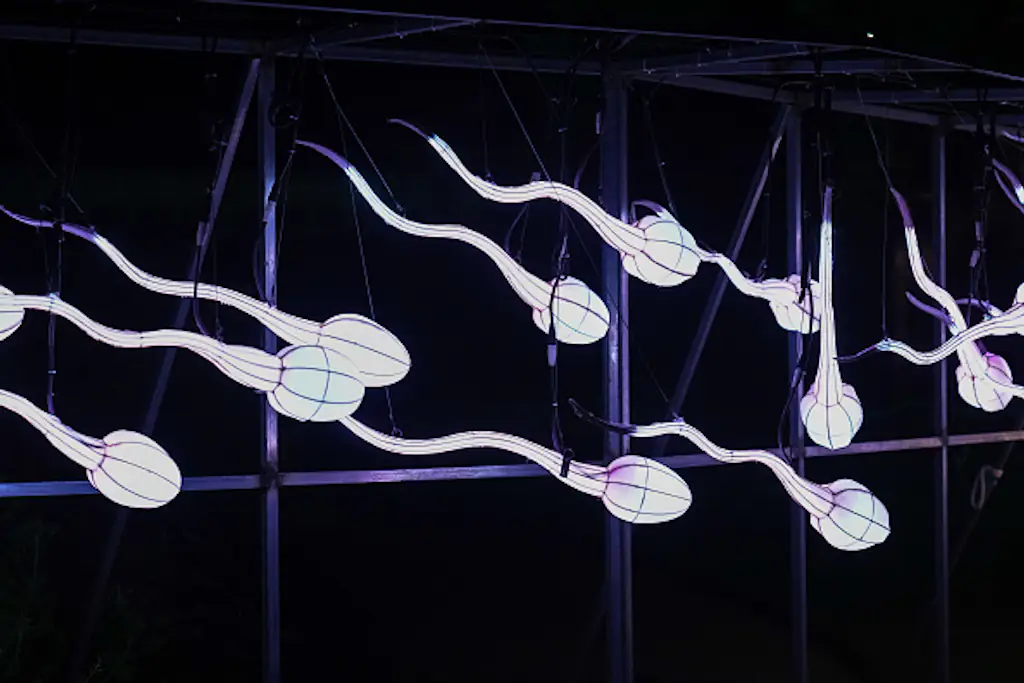
In fact, the study found that sperm kept during abstinence 'ages' and declines in quality.
Researchers analysed data from 115 studies involving nearly 55,000 men and discovered that longer gaps between ejaculations were linked to poorer sperm health.
Motility (how well sperm swim) and viability both dropped, while DNA damage increased.
Scientists believe this happens for two main reasons. One is oxidative stress, essentially a kind of biological 'rust' that builds up and damages sperm.
The other is energy depletion, as sperm are highly active cells that eventually run out of fuel if stored too long.
Current guidelines recommend abstaining for two to seven days before providing a sperm sample for testing or IVF.
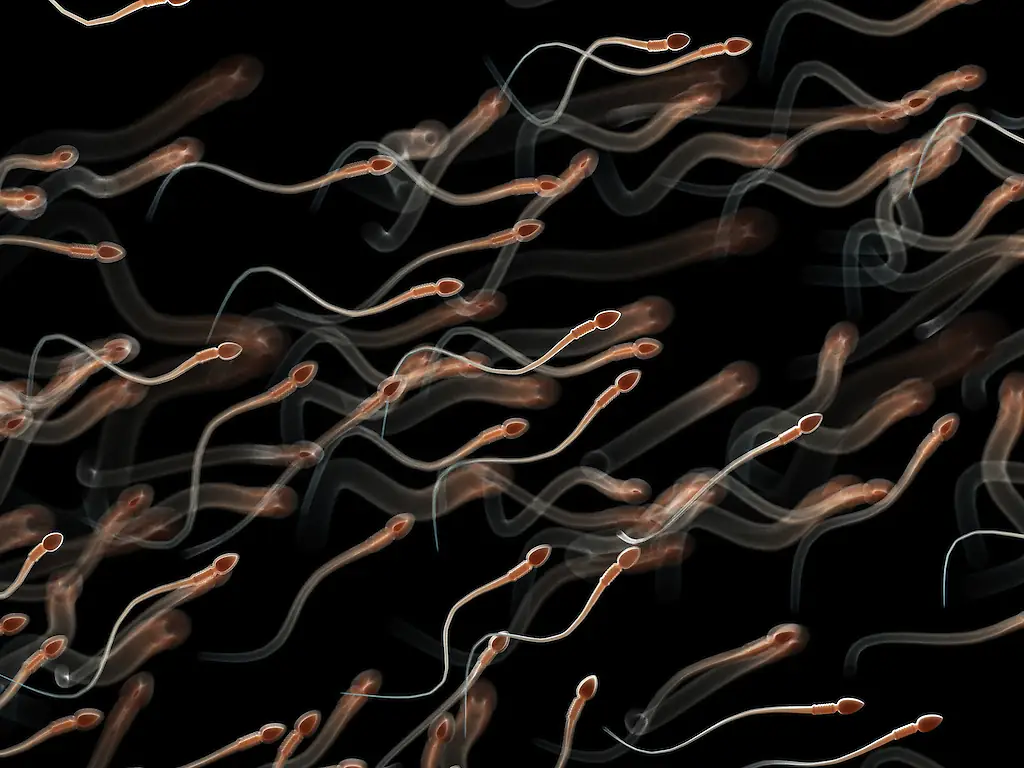
What have the study's findings suggested?
However, the findings suggest shorter abstinence periods could actually improve sperm quality.
Other research supports this, showing better IVF outcomes when ejaculation occurs within 48 hours of providing a sample.
The findings also support an evolutionary theory.
Frequent ejaculation - including masturbation - may help improve sperm quality.
Researchers say it may have an adaptive benefit because 'it flushes out damaged, stored sperm.'
The study also found that this pattern isn’t unique to humans.
Looking at dozens of animal species, researchers saw the same trend: sperm quality declines the longer it is stored, and this can reduce the chances of successful embryo development.
Interestingly, sperm stored inside females tended to deteriorate more slowly, likely because some species have evolved ways to protect and nourish sperm internally.
Overall, the research suggests sperm, like eggs, have a kind of 'use-by date.'
While many fertility factors are outside of human control, this is one that isn’t.
Using fresher sperm - by avoiding long periods of abstinence - could potentially improve fertility outcomes.