


Health3 min(s) read
Alarming simulation shows reality of smoking and vaping to 'determine which is worse for you’

Vapes: once mooted as the safer alternative to smoking cancer-inducing cigarettes, their distinctive multi-colored marketing has allowed people to smoke the rainbow, in addition to eating it, all in the name of safeguarding health.
However, recent studies have suggested that rechargeable nicotine devices are hardly the healthier replacement we’ve all been led to believe.
One suspects James Dean wouldn’t have had the same allure had he been depicted chuffing on a pineapple ice Lost Mary instead of a roguish ciggy, but since their induction into the public sphere, vapes have posed as the viable answer to burning tobacco. Yet, according to a recent simulation, being less harmful does not make vaping harmless.
Vaping and nicotine
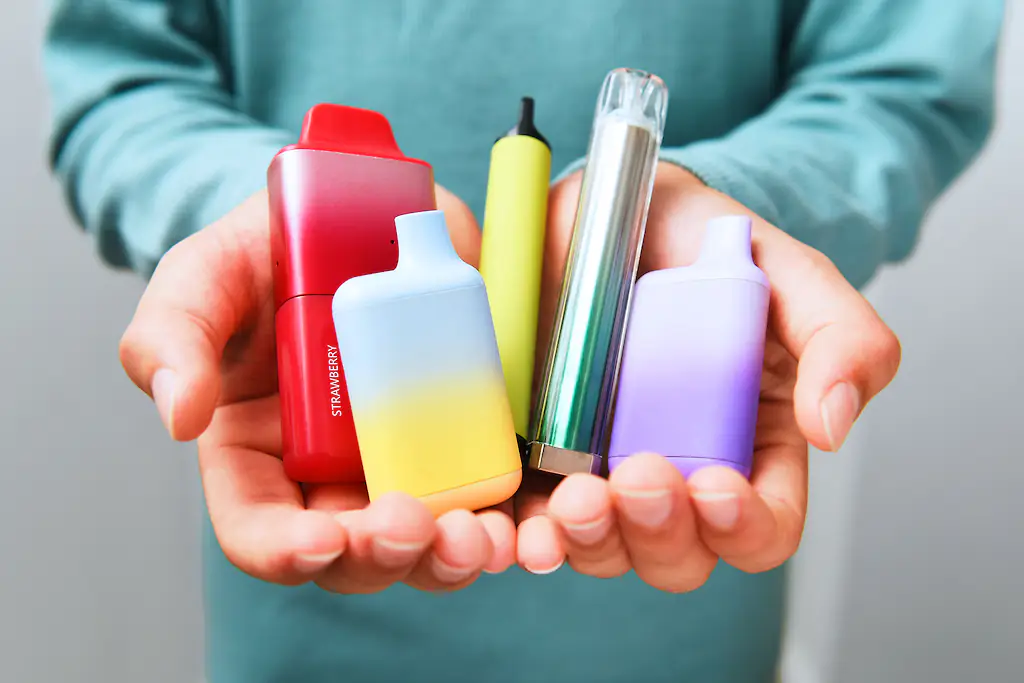
E-cigarettes still deliver nicotine, a highly addictive substance that raises heart rate and narrows arteries. Some vaping liquids may also contain irritants such as formaldehyde, although regulated products sold in the UK are prohibited from including it and other chemicals.
The simulation studied the effects of smoking and vaping side by side and determined which poses the greater threat to our health.
Whether someone is inhaling a plume of cherry ice–flavored vapor or smoking a traditional cigarette, nicotine use remains widespread. Data from the World Health Organization indicates that roughly one in five adults worldwide is still addicted to nicotine.
Meanwhile, research shows habits are changing. A survey from the Office for National Statistics found that more people in Britain now use e-cigarettes than conventional tobacco products.
Vaping’s growing popularity is often attributed to its convenience and the appeal of flavored disposable devices, particularly among younger users. That said, health considerations also play a role, as current evidence suggests vaping is less harmful than smoking for those who already use cigarettes.
A recent animated explainer from Untold Healing visually highlights the biological differences between the two.

Smoking remains the unhealthier option
The simulation is clear about cigarette smoke, warning that “every puff delivers 7,000 chemicals,” including cancer-causing substances such as benzene, formaldehyde, and arsenic.
Cigarettes also produce tar, with the American Cancer Society estimating that a single cigarette can contain between eight and 43 milligrams, depending on the brand. Tobacco-specific nitrosamines are another concern, as they can damage DNA and trigger mutations.
Additionally, tobacco smoke contains carbon monoxide, which reduces the blood’s ability to carry oxygen, depriving vital organs of the oxygen they need to function properly.
By contrast, vaping eliminates combustion, the burning process responsible for many of the most dangerous chemicals in cigarette smoke, and is said to expose users to “95 percent fewer toxic chemicals” than traditional cigarettes.
The National Health Service supports this view, stating that “in the short and medium-term, vaping poses a small fraction of the risks of smoking.”
Studies also suggest that smokers who switch to vaping reduce their exposure to toxins associated with cancer, lung disease, heart attacks, and strokes.
There are additional risks tied to unregulated vaping devices. Poorly manufactured or illegal vapes may expose users to heavy metals like lead and nickel from heating elements. Some illicit products have even been found to contain diacetyl, banned in the UK and EU, which has been linked to “popcorn lung,” a serious respiratory condition.
In summary, while vaping may offer a reduced-risk alternative for people trying to quit smoking, it is not a healthy habit in its own right. Non-smokers are advised not to start using e-cigarettes under the assumption that they are risk-free.