


Health3 min(s) read
Graphic simulation shows what happens to sperm after a man has a vasectomy
.webp_lli6Ty?tr=cr-74.9.445.380,f-webp,q-70,w-100)
A graphic simulation has revealed what actually happens to sperm inside a man’s body after he undergoes a vasectomy.
A vasectomy is a popular procedure for birth control, with the minimally invasive surgery preventing the penis from releasing sperm during sex.
Per the Mayo Clinic, the low-risk procedure is usually done using local anesthetic while the patient is awake, and is a permanent - though often reversible if desired - way to prevent pregnancy.
What does a vasectomy involve?
A new simulation has shown how the simple procedure is performed, revealing that the scrotum is numbed with local anesthetic, before surgeons make a small incision in the scrotum to locate the vas deferens.
The vas deferens is the tube that transports sperm during ejaculation, so this is cut and the two ends are sealed to prevent sperm from passing through. Dissolvable stitches are then used to close the cut.
However, many people have been left wondering what happens to the sperm produced by the body if it’s no longer able to be ejaculated.
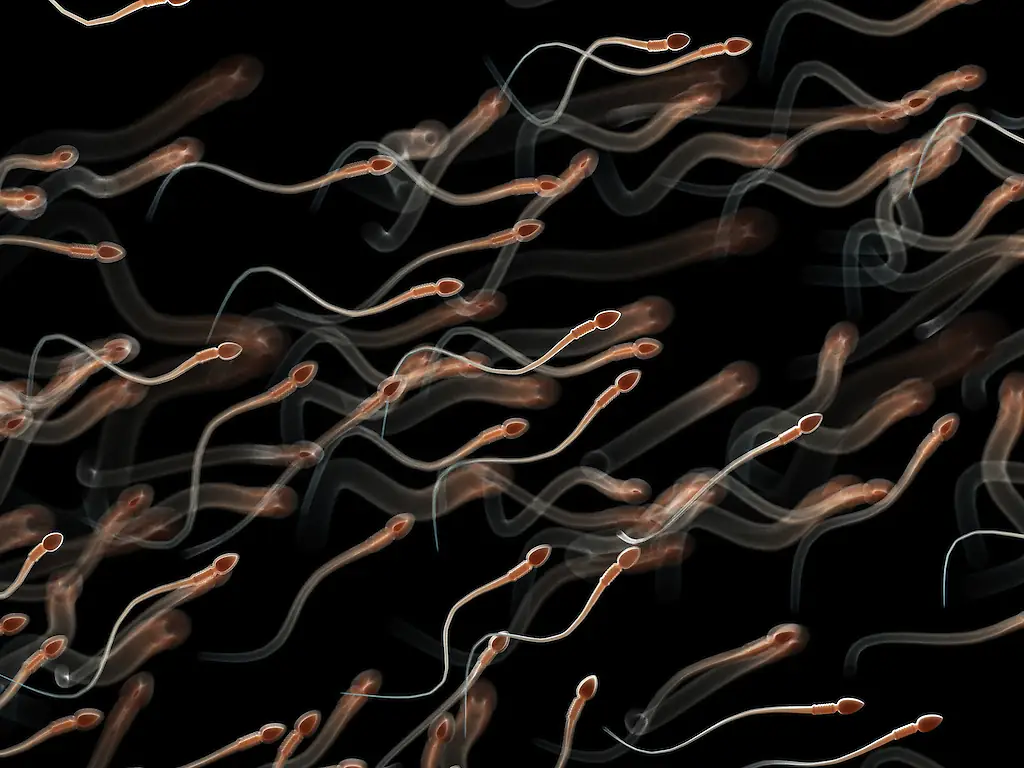
Men begin producing millions of sperm cells each day from the time they reach double figures in age, for the rest of their lives.
According to Clear Blue, this starts inside the testicles within a network of tiny tubes called the seminiferous tubules, which house germ cells. With the influence of testosterone, these germ cells transform into sperm, with the cells dividing and slowly taking on the “tadpole” shape that most people associate with sperm.
The full journey from germ cell to fully mature sperm cell capable of fertilizing an egg takes around 2.5 months, and while that may sound like a long time, the male body is constantly producing sperm, meaning a healthy male will not run out, even if he ejaculates several times a day.
What if sperm isn't ejaculated?
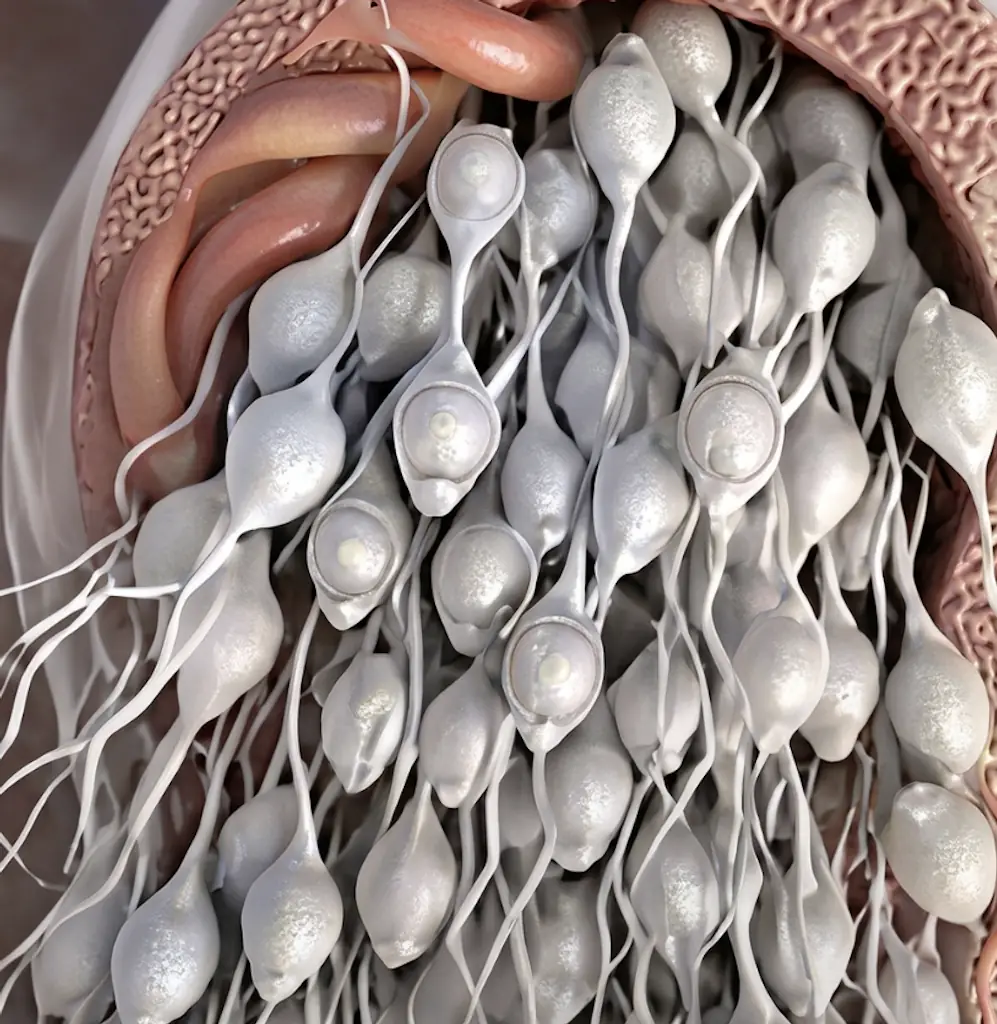
A simulation on the YouTube account Dr. Smurf shows how the body handles sperm that isn't ejaculated, revealing that the epididymis, the tube connected to the testicles, has a lining that breaks down old sperm cells.
The protein and nutrients from dead sperm are reabsorbed and repurposed to create other cells in the body, including new sperm cells.
In other words, the body runs a recycling system: Old sperm is broken down, its structural components, including enzymes, zinc, and fructose, are reclaimed, and the materials are reused.
Is there a health risk?
Heathline notes that there do not appear to be any risks associated with not releasing sperm via ejaculation.
However, research has explored a potential link between ejaculation frequency and prostate cancer.
Many factors can contribute to cancer risk, but a Harvard study discovered that among men who ejaculated most each month, their risk of prostate cancer was 31 percent lower.