


Health4 min(s) read
Chilling simulation reveals the unsettling truth about what happens to your body after death
.webp_lli6Ty?tr=cr-74.9.445.380,f-webp,q-70,w-100)
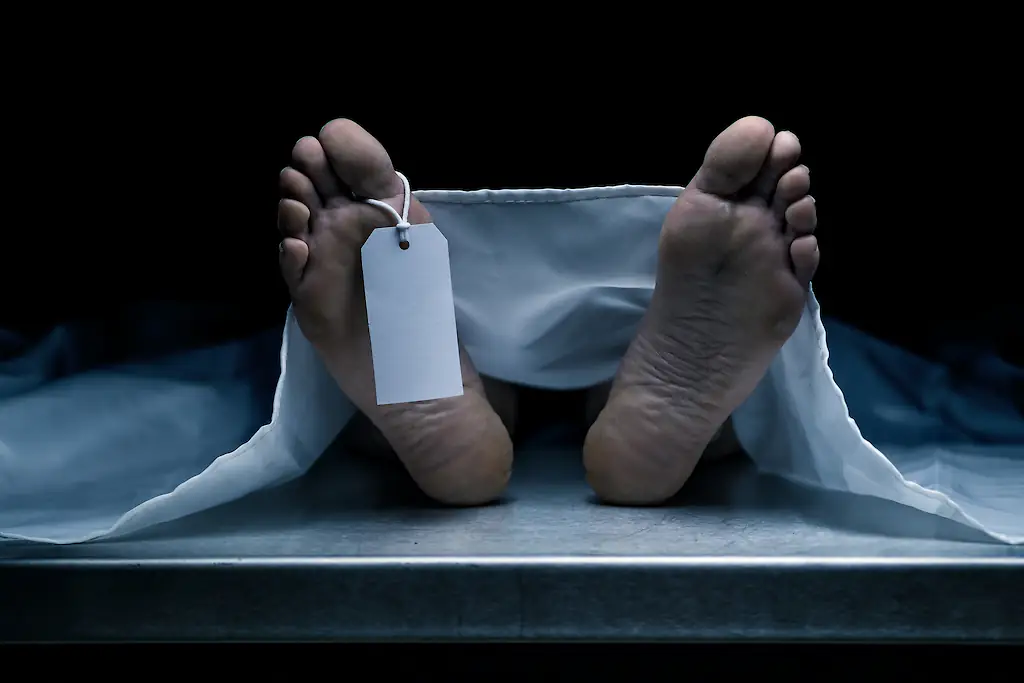
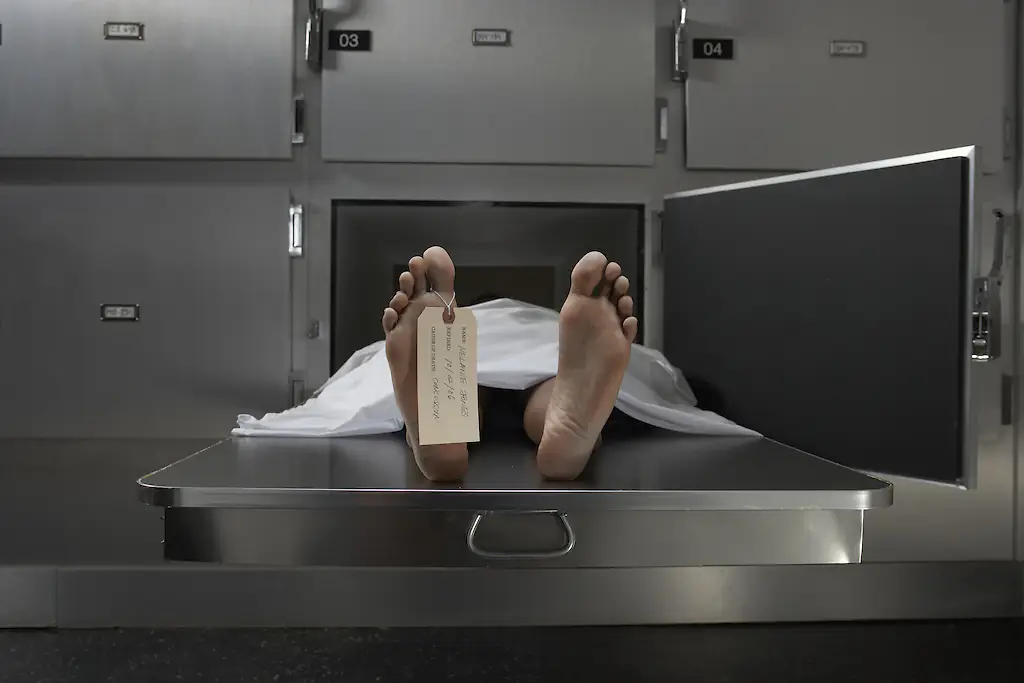
An unsettling simulation has uncovered what happens to the human body after death, from moments to years after a person passes away.
Death is something most people prefer not to think about, but despite it being a somewhat unpleasant topic, it's something every living being will one day face.
Besides the common knowledge that the body decomposes after death, the process is something people generally give little thought to.
However, a simulation has broken down exactly what takes place in the body in the minutes, hours, and even years after a person dies.
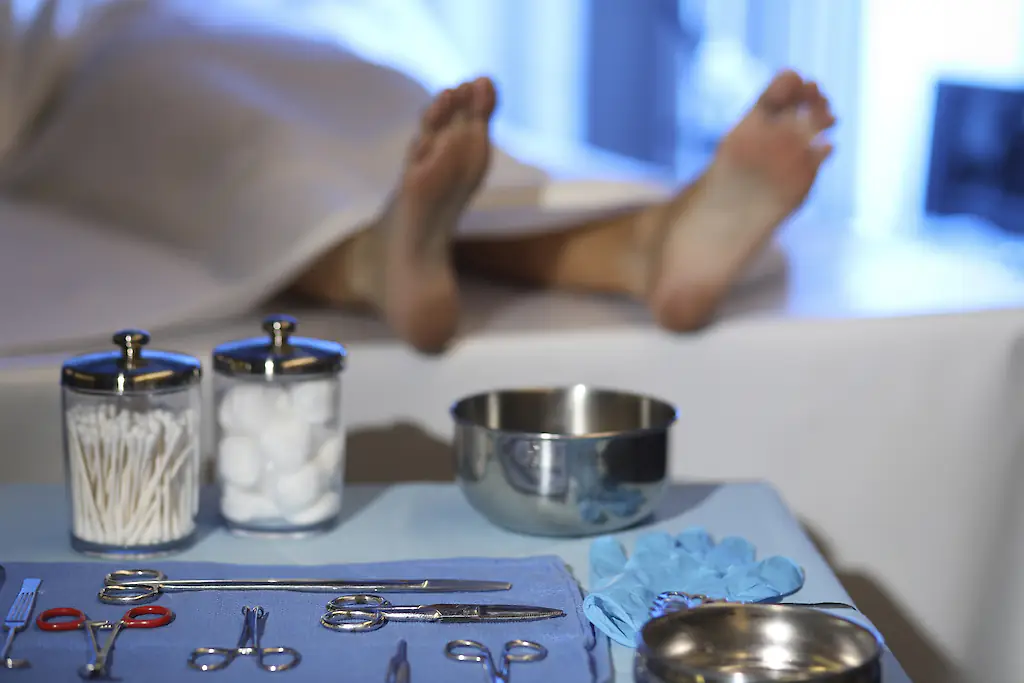
The video, shared on YouTube by The Infographics Show, follows a fictional man named Jack, who dies from a sudden cardiac arrest.
Death occurs when the body's vital organs stop working to keep you alive, with the brain no longer functioning, the heart ceasing to beat, and breathing stopping, per the Cleveland Clinic.
One of the first processes to take place after the moment of death is known as primary flaccidity, when all of the muscles in the body relax.
According to the video: "Now, it gets messy," revealing that the relaxation of the muscles can cause the jaw to drop open, as well as the bowel and bladder to empty, as the muscles controlling them lose tension after death.
Around 20 minutes after death, Jack's body began to turn white, a process known as pallor mortis, when the blood inside the body drains from the veins, leaving the body looking pale.
The body then cools down, known as algor mortis, which can vary in speed and temperature depending on a variety of factors, including the person's body type, the clothing they are wearing, and the surrounding temperature.
Being in a hot environment can speed up the body's decomposition, while being somewhere cold can slow it down.
With the blood having drained from the veins, it begins to pool in the lowest parts due to the effects of gravity, a process known as livor mortis, which begins around 20 minutes after death and is visible around two hours after a person dies, and become more pronounced as time goes on.

Around four hours after death, the muscles begin to become rigid - a process called rigor mortis - caused by biochemical changes in the body, meaning that the mouth and eyes may be open, moving further down the body and lasting for between 24 and 48 hours.
The video reassures people that while a person may look scared or pained, it is not a reflection of how they felt when they died, explaining: "The weird, sometimes pained expression, is just the body going through the rigor mortis process."
As the body decays further, it begins to relax again, known as secondary flaccidity, and it is at this stage that the skin begins to shrink, causing the hair and nails to appear as if they are growing, as the surrounding tissue shrinks back.
Human bodies will begin to show signs of decomposition after around three days, with the process beginning as soon as they die, but it takes a few days for it to show up externally.
According to BBC Future, the process of autolysis, or 'self-digestion', begins within minutes as oxygen-starved cells grow ever more acidic and enzymes begin breaking down cell membranes, as bacteria within the body that are normally controlled by the immune system begin spreading freely.
Bacteria within the gut begin digesting the intestines and surrounding tissue, as putrefaction breaks soft tissue down further into liquids, salts, and gases, causing an unpleasant odor.
These gases - which include hydrogen sulphide, methane, and ammonia can build up inside the dead body, leading it to appear bloated.
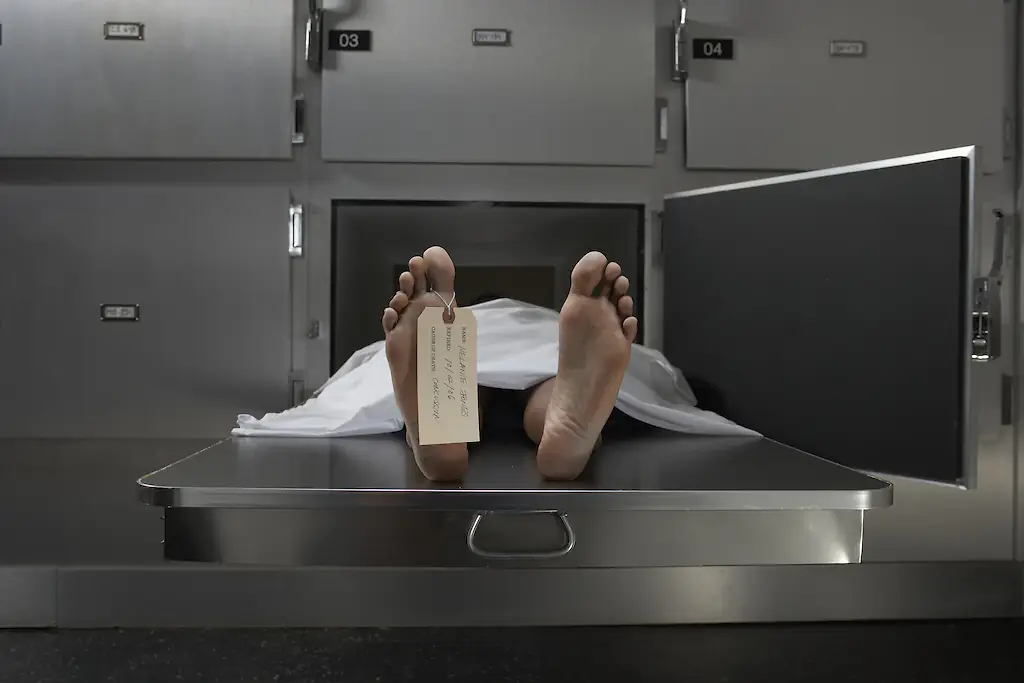
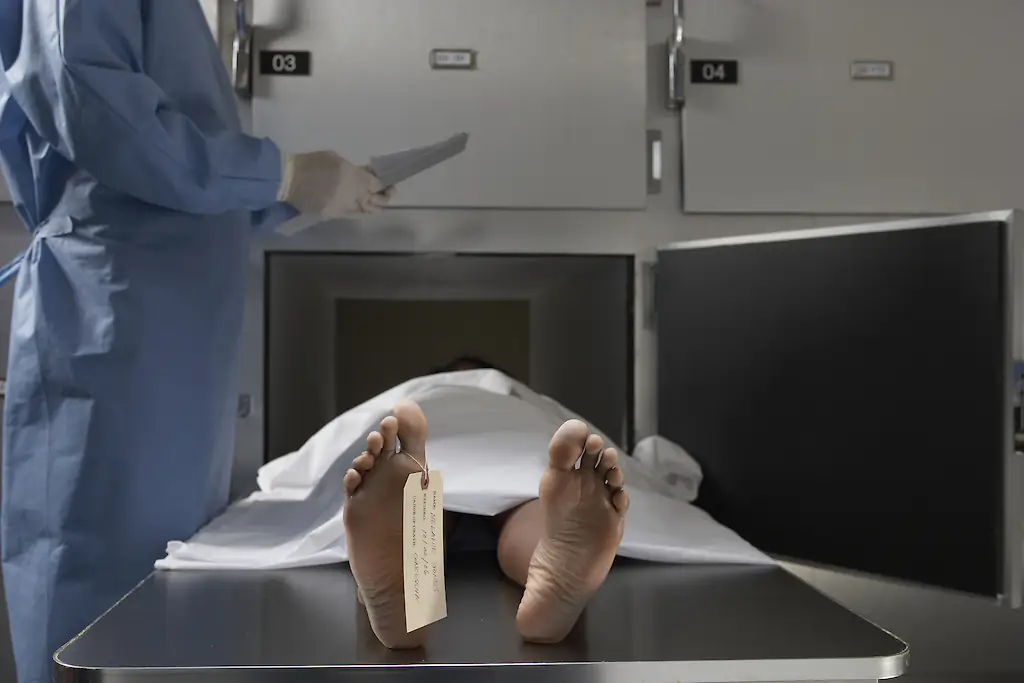
If the death is unattended, or deemed suspicious or unexplained, the body may have to undergo an autopsy to determine the cause of death. Only around five percent of the deaths in the US require an autopsy as this is not usually necessary if the person has died of a known cause, such as cancer.
How a body decomposes long-term can also vary greatly, as it will depend on whether the body is embalmed or not.
Embalming involves removing the blood from the body and replacing it with embalming fluid, which contains chemicals designed to preserve the body.
How a person decomposes once they have been buried varies based on several factors, including the type of coffin they are in, the environment, and the body itself.
If the body is buried in very dry conditions, it could mummify, but in other conditions it could even liquefy, leaving just the skeleton behind.

.webp_QQJmGo?tr=cr-345.0.1535.1190,f-webp,q-70,w-100)
.webp_vBqgAR?tr=cr-242.0.1293.1051,f-webp,q-70,w-100)
.jpg_I4Ebof?tr=cr-0.338.2730.3068,f-webp,q-70,w-100)


.webp_QQJmGo?tr=cr-345.0.1535.1190,f-webp,q-70,w-1024)

.webp_vBqgAR?tr=cr-242.0.1293.1051,f-webp,q-70,w-1024)

.jpg_I4Ebof?tr=cr-0.338.2730.3068,f-webp,q-70,w-1024)
