


Health3 min(s) read
Surprising reason why public toilet seats have gap in them explained
.webp_lli6Ty?tr=cr-74.9.445.380,f-webp,q-70,w-100)
If you've ever wondered why public toilets in the US always have a strange gap at the front, wonder no more.
Whether you're from the US or just a visitor, you'll likely have noticed that public restrooms always have one particular feature that isn't all that common in other parts of the world.
And no, we're not talking about the massive gaps around the doors of the stall.
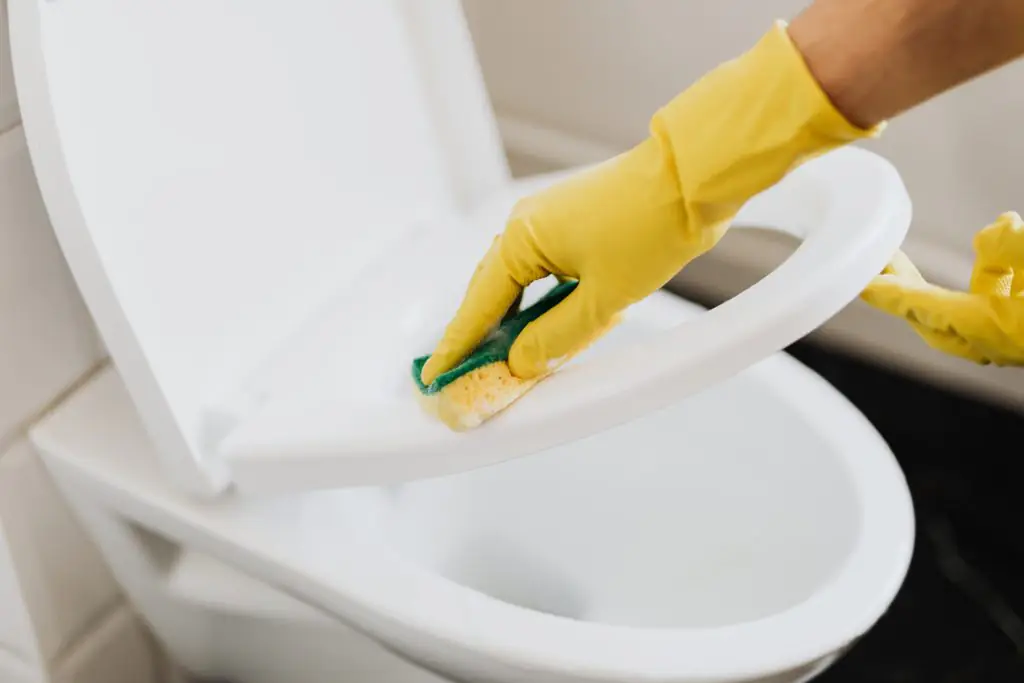
American toilet seats all seem to have a gap at the front, meaning they are more of a horseshoe shape than an oval, as seen in other countries.
It's not just a design quirk, however, as there is a good reason for that gap being there.

Since 1955, that gap on a toilet seat has been required in every public restroom across the United States, due to the American Standard National Plumbing Code, which states: "Water closets shall be equipped with seats of smooth non-absorbent material. All seats of water closets provided for public use shall be of the open-front type."
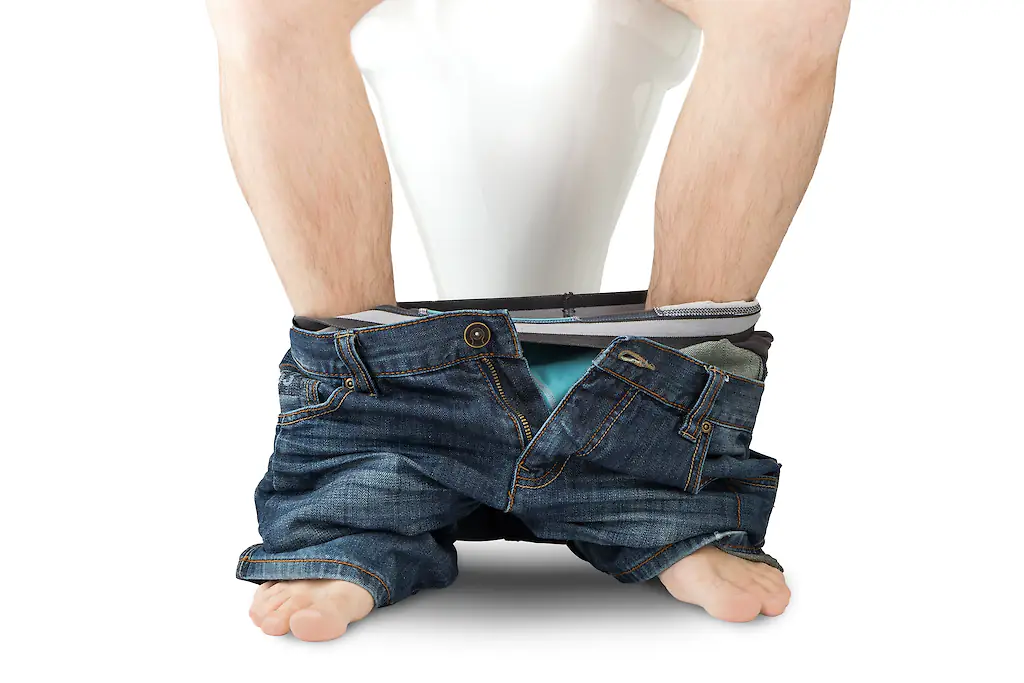
The thought of sitting on a public toilet seat, not knowing who's been there before you and potentially left some pee (or worse) on the seat, is not something that fills most people with joy.
But the gap is actually a pretty nifty feature to help reduce the amount of skin contact you're making with the most-contaminated part of the average toilet seat.
X user @aakashgupta explained in a viral Tweet which has racked up millions of views: "A closed oval seat creates a continuous surface where skin presses against plastic that thousands of strangers have already sat on.
"Removing the front section eliminates that contact zone entirely. Fewer shared square inches, fewer bacterial transfer points between users."
But that's not the only reason, as it also allows women to reach through the gap and wipe after peeing without having to touch the toilet seat by accident in the process.
Gupta added: "The gap is sized for a hand to pass through cleanly."
It also helps men with less accurate aim, as Gupta explained: "The open front also eliminates the surface where urine pools at the front of the seat, so the next user sits on dry plastic instead of someone else’s miss."
He also revealed: "One more layer. Public restrooms use elongated bowls while home toilets are typically round. A stolen U-shaped seat from a restaurant won't fit a residential toilet. The shape mismatch makes it worthless to take home.
"Seven decades of sanitation engineering in a gap most people assumed was a manufacturing shortcut."
Of course, the revelation led to a slew of comments, with one writing: "Who the hell actually sits on public toilet seats without putting paper down."
Others added: "It seems to be a solution to a non-existent problem. At least, I don’t think there’s a toilet seat infection epidemic in Europe…" and: "I’ve never in my life wiped by sticking my hand through that gap."
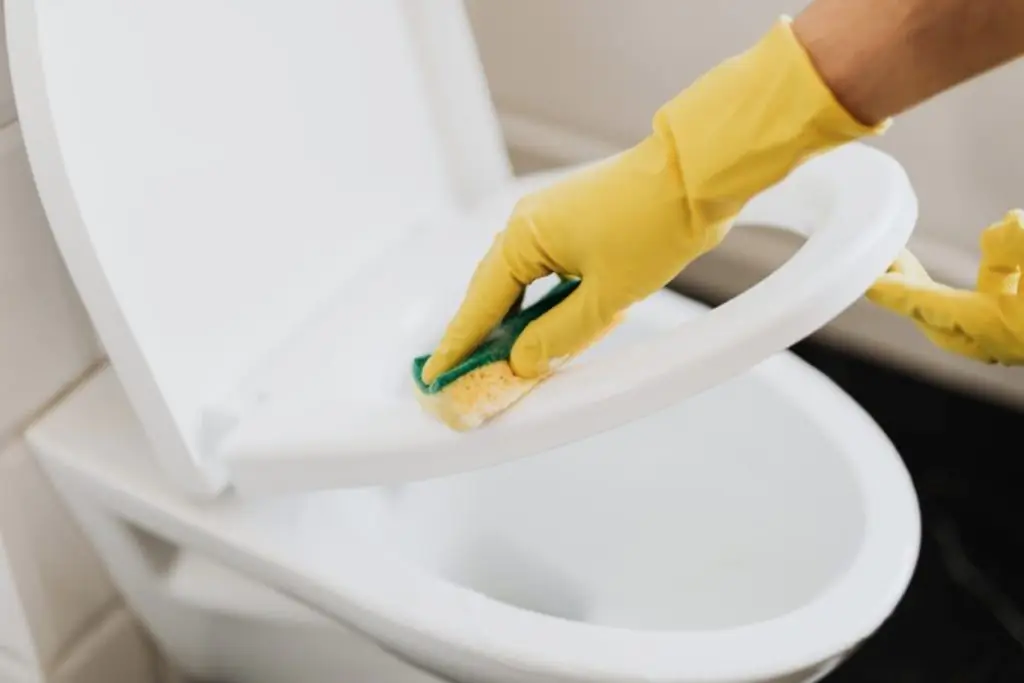
Featured image credit: David Brown/Pexels
.webp_QQJmGo?tr=cr-345.0.1535.1190,f-webp,q-70,w-100)


.jpg_I4Ebof?tr=cr-0.338.2730.3068,f-webp,q-70,w-100)











.webp_QQJmGo?tr=cr-345.0.1535.1190,f-webp,q-70,w-1024)

.jpg_I4Ebof?tr=cr-0.338.2730.3068,f-webp,q-70,w-1024)


