


Health4 min(s) read
Symptoms of deadly virus with no cure and ‘epidemic potential’ as Covid-style checks introduced by airports

Health authorities around the world have been put on high alert following a deadly outbreak of the Nipah virus in India.
The virus, which has a high fatality rate and no known cure, has sparked concern due to its potential to cause an epidemic.
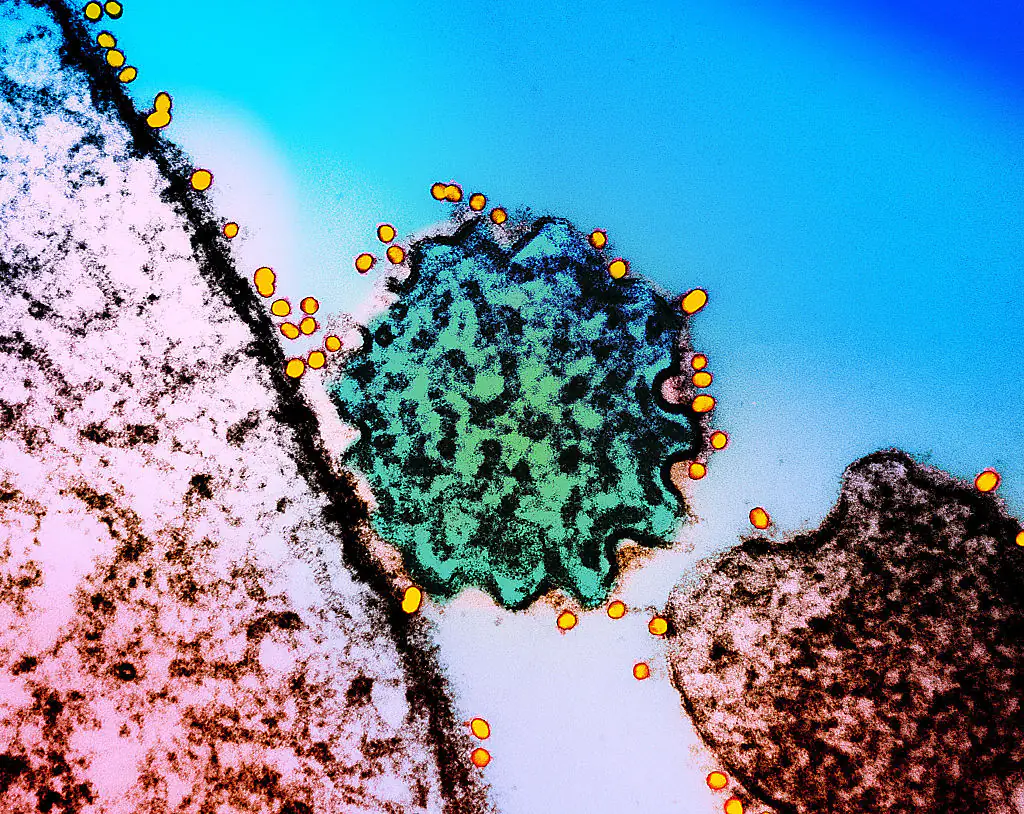
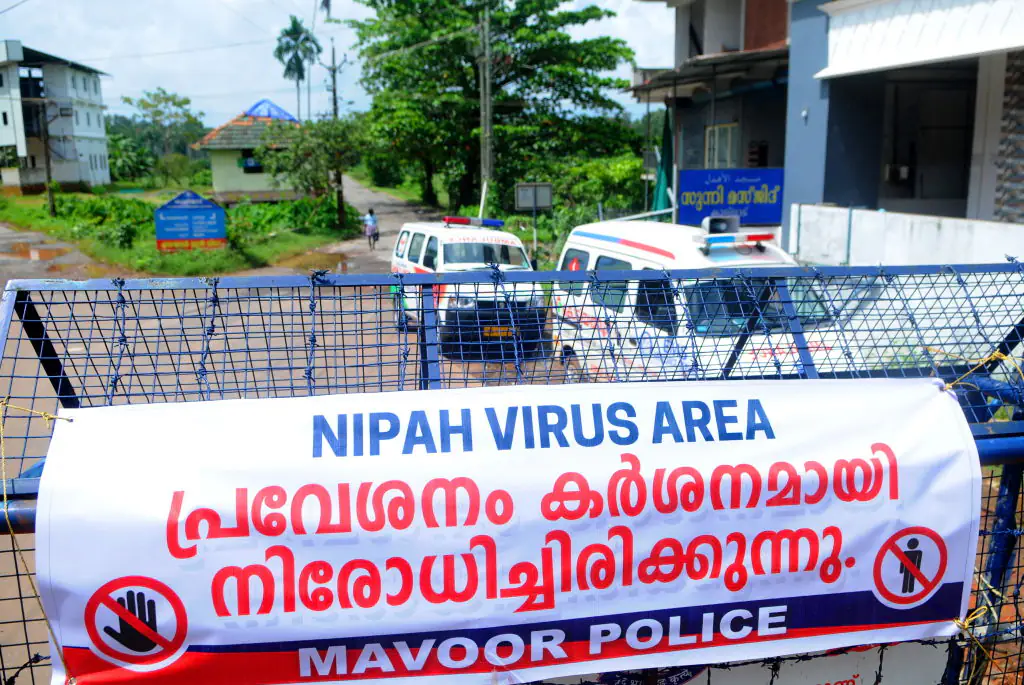
The outbreak began in early January when five cases of Nipah virus were confirmed in West Bengal, India. Among those infected were two nurses who had worked together at a private hospital.
Narayan Swaroop Nigam, the principal secretary of the Health and Family Welfare Department, confirmed to The Telegraph that one of the nurses was in critical condition.
By January 26, approximately 100 people had been quarantined as a precautionary measure, per The Independent.
This is not the first outbreak of Nipah virus in India, but the current situation has raised alarm bells due to the virus's potential for widespread transmission and its fatality rate, ranging from 40% to 75%, according to the World Health Organization (WHO).
Symptoms of Nipah Virus
According to the US Centers for Disease Control and Prevention (CDC), the symptoms of the Nipah virus are headaches, muscle pain, fever, fatigue, and sore throat.
In some cases, respiratory symptoms like cough, shortness of breath, or pneumonia may also appear.
However, the most severe complication of the virus is encephalitis, or swelling of the brain, which can lead to confusion, seizures, altered consciousness, and even coma.
The virus is zoonotic, which means it can jump from animals - particularly fruit bats and pigs - to humans. It can also spread through contaminated food or direct person-to-person contact.
Unlike the coronavirus, which had a global mortality rate of approximately 3.4%, the Nipah virus's high fatality rate makes it far more dangerous for those who contract it.
There is currently no vaccine or approved treatment.
Global Measures to Prevent the Spread of the Nipah Virus
In response to the outbreak, countries across Asia have ramped up their health checks at airports to prevent the virus from spreading beyond India’s borders.
Thailand, Nepal, and Taiwan have all introduced strict screening protocols at airports similar to those implemented during the Covid-19 pandemic.
Thailand’s Department of Disease Control began screening travelers from West Bengal, India, at Suvarnabhumi and Don Mueang airports starting January 25.
Passengers are being monitored for fever and other symptoms of the virus. Those who show signs of infection are given a 'Health Beware Card,' advising them to seek medical attention if they experience symptoms such as fever, headache, or muscle pain.
In addition to Thailand, Nepal and Taiwan have raised their alert levels in response to the outbreak.
Taiwan has classified the Nipah virus as a Category 5 notifiable disease, the highest level of concern for emerging infectious diseases. Both countries are closely monitoring travelers to ensure the virus does not spread further.

While the current outbreak is largely confined to Asia, many are wondering whether the Nipah virus could spread globally.
Dr. Suzanne Wylie, speaking to Cosmopolitan, reassured the public that, despite the severity of the outbreak, there is no evidence to show that the virus will spread.
“Nipah outbreaks have historically been geographically restricted to parts of Asia, and there is no evidence of sustained transmission outside these areas,” Dr. Wylie said.
She added that public health authorities are well-prepared to manage any cases that may arise due to international travel. She also noted that clinicians are trained to consider rare infections like Nipah in the right clinical and exposure context.