


Health3 min(s) read
Bizarre theory explains why you've never broken a bone - doctor responds

A doctor has explained why some people seem to go through life without ever breaking a bone.
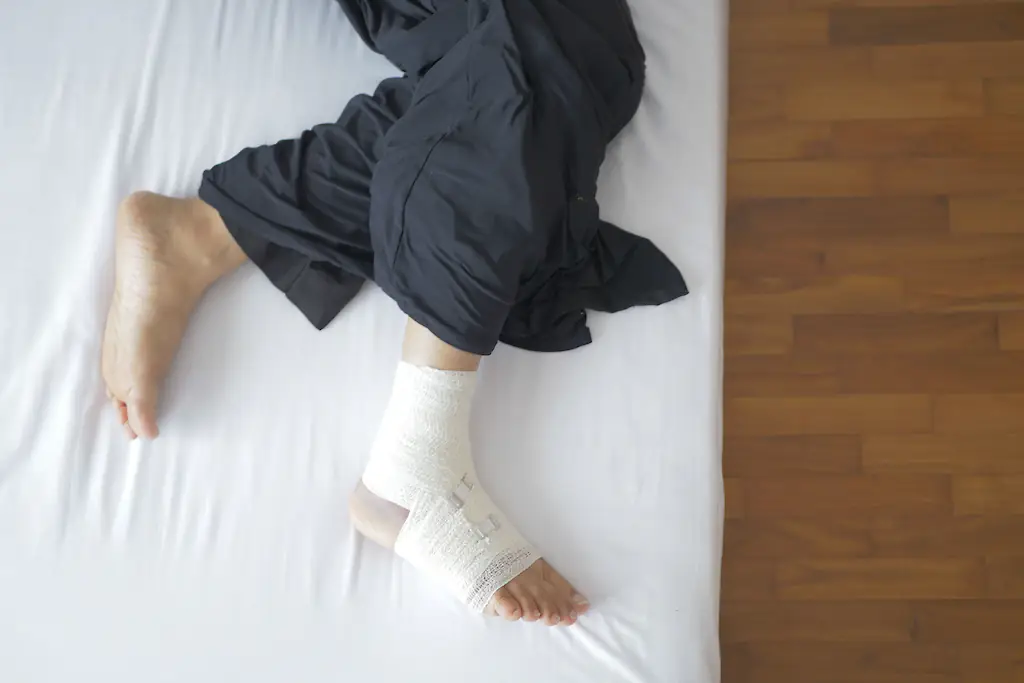
While accidents happen to everyone, not everyone responds to them in the same way. Some people can brush off trips and falls without serious injury, while others end up with a fracture after a relatively minor incident.
"We all know people who seem to trip and fall frequently but then bounce back up, and laugh it off," Dr Suhail Hussain told LADbible.
"Conversely, someone else trips over a curb and ends up in a cast. So why does this happen? Turns out, it’s not all random or down to divine protection."
Your genes could be a major factor
Dr Hussain explained that bone strength is heavily influenced by genetics.
"Bone strength is largely inherited. That includes how dense your bones are, how well your body processes calcium, and even how your skeleton is built," he said. "Some of us are naturally more prone to thinner bones - and those can snap more easily under pressure."
The Royal Osteoporosis Society (ROS) agrees that family history can play a huge role in bone health.
"Research also shows that if one of your parents broke their hip, you’re more likely to break a bone yourself. Hip fractures have a high mortality rate and can sometimes cause permanent disability," a ROS spokesperson said.
Age can weaken bones over time
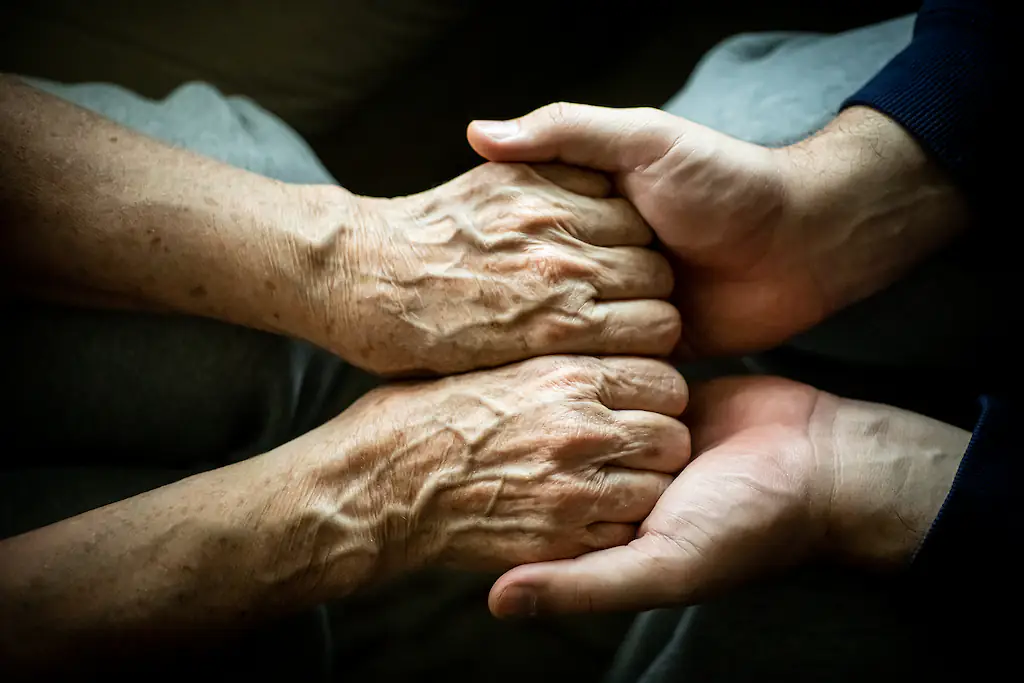
Experts also say age is an important factor. Bone density naturally decreases as we get older, increasing the risk of fractures.
Dr Claire Merrifield, a GP and medical director at Selph, explained that women can face an increased risk after menopause.
"As women go through menopause and lose the protective effect of oestrogen, bones become more brittle and can break from much less force, such as a fall from small height," she said.
Lifestyle choices also make a difference
Although genetics plays a major role, doctors say there are steps people can take to improve their bone health.
"It’s essential to eat enough calcium, take vitamin D in winter, and take part in exercise with force - things like strength training, running, dancing, and jumping are all great for this," Dr Merrifield advised.
Dr Hussain added that smoking, excessive drinking, and a lack of exercise can increase the likelihood of suffering a fracture.
"Lifestyle plays a huge role in whether or not you’ll suffer a fracture one day. In fact, there is probably more you can do to protect yourself from this phenomenon than you realize," he said.
.jpg_I4Ebof?tr=cr-0.338.2730.3068,f-webp,q-70,w-100)
.webp_SmgFsc?tr=cr-292.0.1244.952,f-webp,q-70,w-100)
.jpg_0vou6U?tr=cr-0.0.1.0.67,f-webp,q-70,w-1024)


.jpg_I4Ebof?tr=cr-0.338.2730.3068,f-webp,q-70,w-1024)


.jpg_0vou6U?tr=cr-0.0.1024.686,f-webp,q-70,w-525,h-200)
.webp_SmgFsc?tr=cr-292.0.1244.952,f-webp,q-70,w-1024)
