


Health3 min(s) read
Rare tick-borne virus with no cure is spreading across the US as cases hit record high - how to avoid it

A rare tick-borne virus with no known cure is spreading across the US at an alarming rate, with health officials reporting a record number of infections.
The Powassan virus, first identified in 1958 after a four-year-old boy developed unexplained symptoms, has historically been extremely uncommon.
However, in 2025, 76 Americans were diagnosed with the disease, the highest annual total ever recorded, compared to an average of just seven cases per year.
The virus is spread through the bite of infected deer and woodchuck ticks and is primarily found in the northeastern US, the Great Lakes region and parts of Canada. Experts are now concerned about its increasing spread.
What have experts warned?
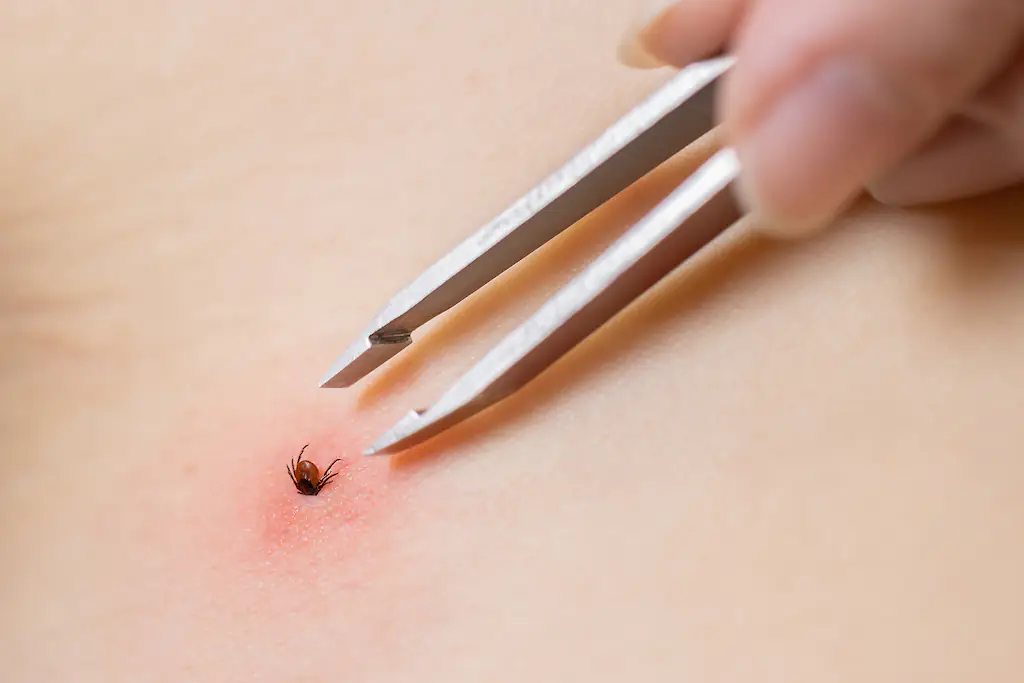
One reason the virus is particularly worrying is how quickly it can be transmitted.
Dr. Jorge Parada, medical advisor at the National Pest Management Association in Chicago, told Fox News: "Powassan can be transmitted in as little as 15 minutes after the infected tick bites, while Lyme disease usually requires a 36- to 48-hour attachment time for transmission."
Although the virus can be passed on rapidly, symptoms often don't appear straight away and can take up to four weeks to develop.
According to the US Centers for Disease Control and Prevention (CDC), early symptoms include fever, headache, vomiting and weakness. In more serious cases, patients can experience confusion, difficulty speaking, loss of coordination and seizures.
The infection can also lead to dangerous complications including encephalitis, an inflammation of the brain, and meningitis, an infection affecting the tissues surrounding the brain and spinal cord.
There is currently no specific treatment or cure for Powassan virus. The CDC advises people with mild cases to rest, stay hydrated, and take over-the-counter pain relief to manage symptoms.
Those who develop severe illness may require hospital treatment, including breathing support, intravenous fluids and medication to reduce swelling in the brain.
How to avoid contracting the disease
Dr. Michael Smith of WebMD has also warned about the virus, explaining: "This is a rare virus you catch from a tick bite, same way Lyme disease is spread."
He added that while cases remain uncommon, the illness can have devastating consequences.
"While only 60 people have gotten the Powassan virus in the past 10 years, it's caused seven deaths. About half of survivors have permanent neurological symptoms like memory problems."
He also stressed that "there are no medicines to treat or cure this virus right now."
The best defence, he said, is avoiding tick bites altogether by using insect repellent, wearing long sleeves and pants when spending time outdoors, checking your body for ticks after returning home, and showering within two hours to wash away any ticks that haven't yet attached.
Despite the increase in cases, Dr. Smith urged people not to panic.
"Remember the disease is extremely rare, so no need to worry – just be aware."
The warning comes as experts are also monitoring the rise of Alpha-gal syndrome, another tick-related condition that can leave people allergic to red meat.
The condition, which has been linked to tick bites for around 15 years, is triggered by an immune reaction to a sugar molecule called alpha-gal, found in the meat of most mammals.
People with the syndrome can suddenly develop allergic reactions to foods like beef, pork, lamb and even some dairy products, despite never having experienced symptoms before.
While the allergy has most commonly been associated with the lone star tick in the Americas, scientists now believe other tick species, including the black-legged tick – a major carrier of Lyme disease, may also be capable of triggering the condition.
According to the CDC, an estimated 450,000 Americans are believed to have developed Alpha-gal syndrome, although cases remain rare in the UK.
.jpg_I4Ebof?tr=cr-0.338.2730.3068,f-webp,q-70,w-100)

.webp_vBqgAR?tr=cr-242.0.1293.1051,f-webp,q-70,w-100)

.jpg_I4Ebof?tr=cr-0.338.2730.3068,f-webp,q-70,w-1024)


.webp_vBqgAR?tr=cr-242.0.1293.1051,f-webp,q-70,w-1024)