


Health3 min(s) read
Two thirds of men have medical condition known as 'pruritus ani' - here's who's most at risk

A lot of men may be walking around with a condition known as pruritus ani without even knowing they have it.
According to experts, pruritus ani affects around two-thirds of men, and can cause some pretty awkward symptoms.
According to the Cleveland Clinic, pruritus ani - also known as anal itching - is a skin condition that affects your perianal area, which can flare up at night or after a bowel movement.
The condition can be caused by poor anal hygiene as well as certain foods and drinks, or allergies and other health conditions.

Given that most people wouldn't exactly relish the thought of speaking to someone about their itchy bum, it's not surprising that experts believe it affects more men than women.
While pruritus ani can affect people of any age, it is "most common" in men aged between 40 and 60.
Dr Hussain Ahmad of Click2Pharmacy explained: "Pruritus ani is more common in men than women, with groups aged between 40 and 60 usually the most at risk.
"People with hemorrhoids, anal fissures, diabetes, or skin conditions like eczema and psoriasis are more prone to it.
"Ongoing diarrhea or loose stools from IBS can also leave the area irritated, as can threadworms, which can be common in families with young children."
While it might be tempting to give it a good scratch, it's best to avoid doing so as it could lead to skin damage and potentially infection.
Per the Cleveland Clinic: "Anal itching usually causes an uncontrollable urge to scratch your anus. However, scratching doesn’t provide long-lasting relief.
"Scratching your anal area causes further irritation and may worsen the itching instead of providing relief. Your skin in this area is sensitive, and your nails are much stronger than your skin.
"Scratching with your fingernails may cause skin damage or an infection. If the itch-scratch cycle persists, it can lead to extreme discomfort, soreness and burning."
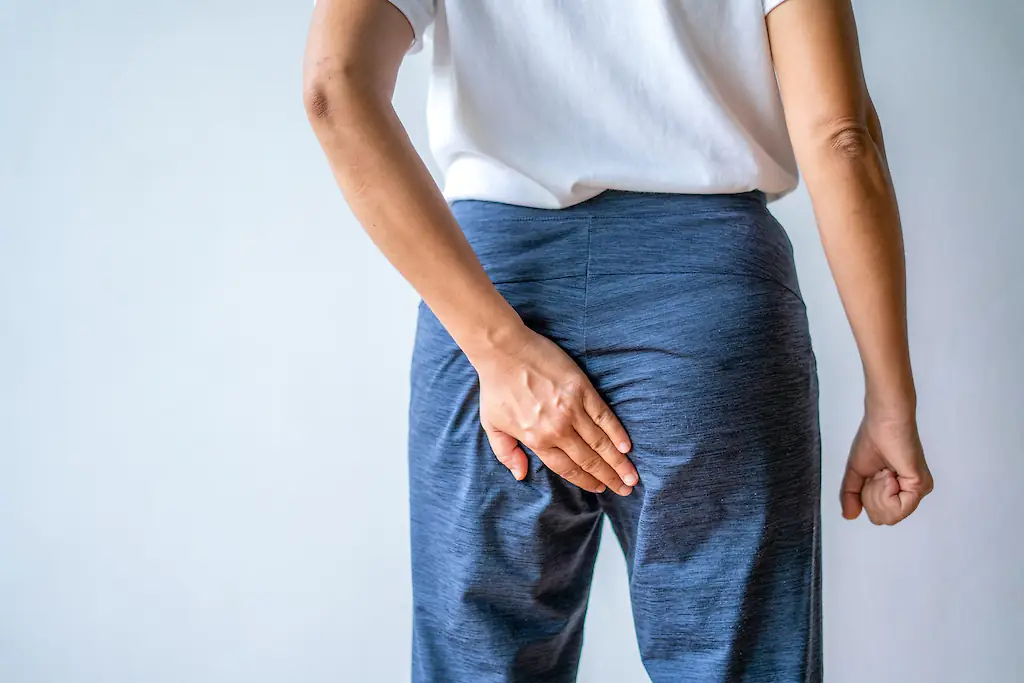
Around 1-5% of the population is believed to have it, and of those, it's four times as many men as women.
It's always best to get any uncomfortable symptoms checked out by a doctor, who can usually diagnose pruritus ani with a physical examination to check for changes in skin color, skin texture, rashes or lesions.
They will also ask questions about your lifestyle, such as what shower gels and other products you use, as well as any medications and food and drink, and even what underwear you wear to try and narrow down the cause.
As for treatment, the first step would involve establishing good anal hygiene, including thoroughly cleaning the anus after pooping, drying the area, and applying non-medicated talcum powder.
If the issue isn't solved by improving hygiene in the area, other options can include specialized creams or ointments, antibiotics and antifungal medications.
If these also do not work, there is also the option of a methylene blue injection - also known as anal tattooing - where your healthcare provider injects methylene blue under the skin in your perianal area to relieve pain and itching by deadening the nerve endings in the injected areas.