


Health4 min(s) read
Woman claims she is addicted to vagina 'vabbing' - the shocking trend has been explained
.webp_QQJmGo?tr=cr-345.0.1535.1190,f-webp,q-70,w-100)
A new trend all about how you smell might leave you a bit confused...
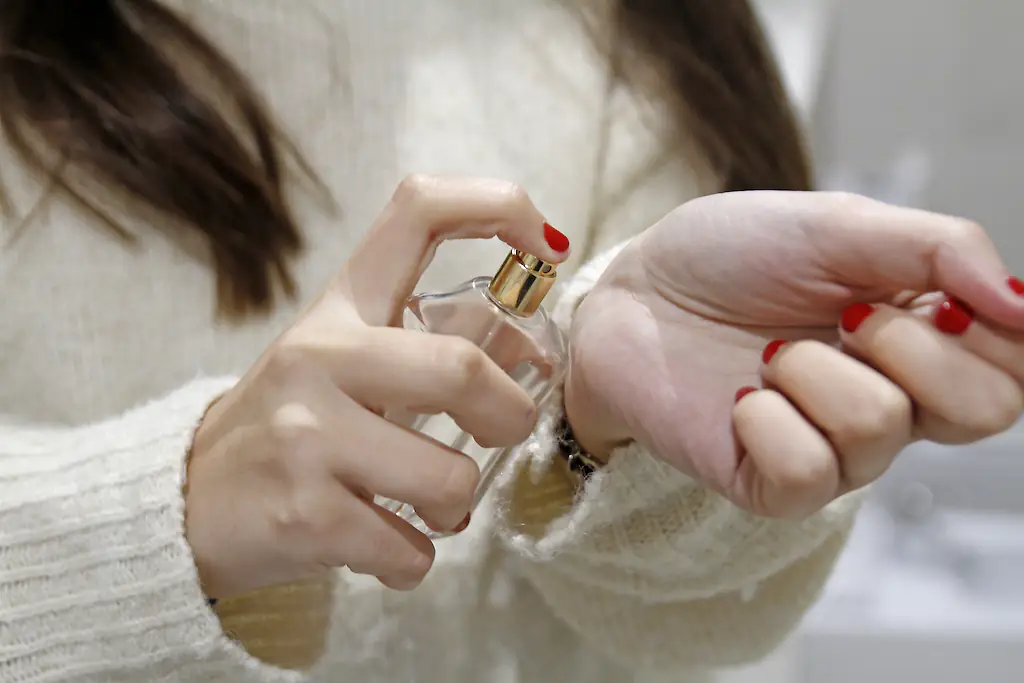
Dubbed vabbing, the viral trend involves women using their vaginal discharge as perfume by smearing it behind their ears, on their wrists, or on their necks.
While it sounds bizarre, the idea behind the trend is that vaginal fluids supposedly contain pheromones that can help attract potential partners.
Addicted to Vabbing
One woman, named Cassy, has been documented by TLC's My Strange Addiction, and has revealed why she loves vabbing.
"I'm addicted to vabbing," she says, while explaining how she performs the bizarre act.
She claims that she does it so people can "smell [her] pheromones," - but is there anything to the odd habit?
What is Vabbing?
Vabbing is a combination of the words “vagina” and “dabbing,” and it first gained attention when it was used as a hashtag on TikTok in June 2022.
The concept quickly spread as users, particularly women, began posting videos of themselves engaging in the strange practice.
Although the concept of vabbing is intriguing to some, health experts have issued serious warnings about the potential risks involved.
Doctors stress that the practice can lead to vaginal infections, such as thrush, and that there is little to no scientific evidence suggesting that vabbing is an effective way to attract partners.
Dr. Paraskevi Dimitriadi, a private gynecologist in London, explained, via the Daily Mail, that vabbing could result in significant health risks, including pelvic inflammatory disease (PID).
She pointed out that bacteria from dirty fingers could spread infections within the reproductive system, leading to fertility issues in the future.
"If you use dirty fingers inside your vagina to collect discharge, you can potentially traumatize the tissue in your vagina and spread infection, potentially causing something as serious as pelvic inflammatory disease," she warned.
Hygiene Concerns Around Vabbing
In response to growing concerns, some content creators have tried to provide tips on how to safely engage in vabbing.
For example, Jewliah, a plus-size OnlyFans creator, posted a "Vabbing 101" video where she shared her personal experience with the practice.
Her video, which has garnered over 2.2 million views, outlined a few precautionary steps, such as washing your hands before and after vabbing, avoiding the practice while on your period, and making sure you are free from sexually transmitted infections (STIs).
Jewliah also recommended that women clean gym equipment after use and avoid letting their vabbing areas come into contact with surfaces to minimize hygiene risks.
While these steps may reduce the risk of infections, they do not eliminate the potential health hazards associated with vabbing.
The Science Behind Pheromones: Do They Actually Work?
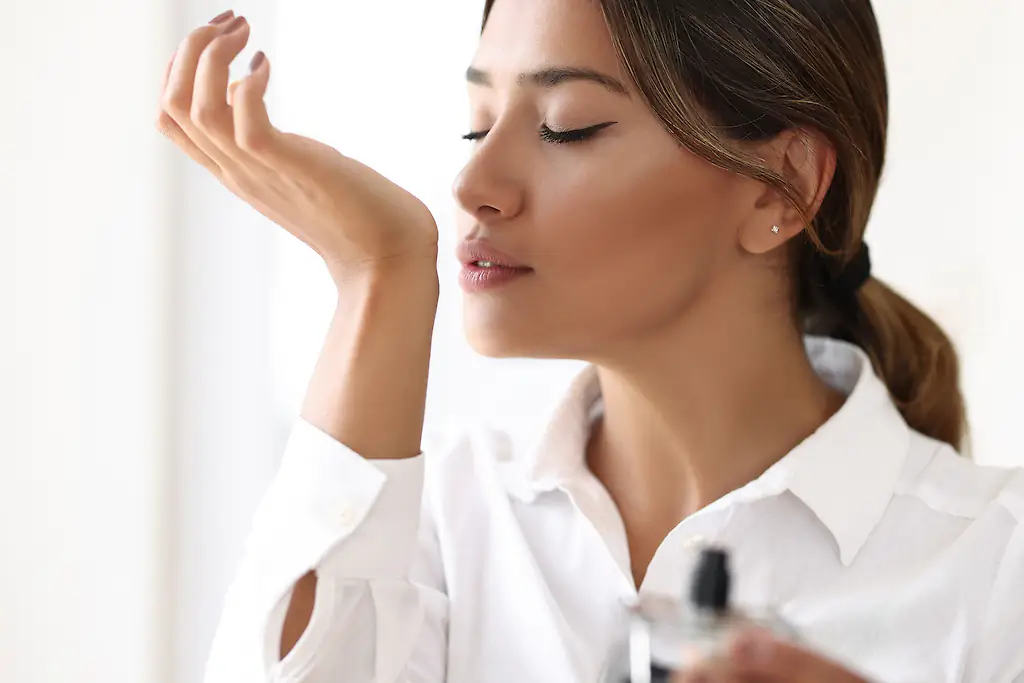
One of the main claims behind the vabbing trend is that vaginal discharge contains pheromones, chemicals that some animals use to attract mates.
Proponents argue that using one's own pheromones in the form of vaginal fluids could work similarly to synthetic pheromone perfumes.
However, there is little scientific evidence to support the idea that human pheromones play a significant role in attraction.
Dr. Dimitriadi has been vocal about this, stating that while humans do secrete pheromones through various glands, there is no need to apply vaginal discharge to other parts of the body.
"We secrete the same pheromones throughout the glands of our body. We have pheromones in our sweat. We also secrete pheromones through urine and we don't put that on our bodies," she explained. "There is absolutely no need to use your vaginal discharge on other parts of your body to attract a partner."
Moreover, experts question whether humans are even influenced by pheromones in the same way animals are.
Professor Erick Janssen, a neuroscientist at KU Leuven in Belgium, expressed skepticism about the scientific validity of the pheromone claims.
"I am not sure if this is a fad, or perhaps I should say vad, but I seriously question the validity of the claims involved," he said. "The actual scientific literature on so-called pheromones is complex."
Professor Janssen also pointed out that while animals like cats, dogs, and snakes detect pheromones using a specialized organ called the vomeronasal organ (VNO), there is still debate about whether humans have this organ and whether it even functions in the same way.