


Health6 min(s) read
What actually is ‘hot potting’? How a seemingly relaxing activity ended in one man’s death at Yellowstone
.webp_lli6Ty?tr=cr-74.9.445.380,f-webp,q-70,w-100)
After a 23-year-old man 'dissolved' and died while hotpotting, many people have been left wondering exactly what the activity involves.
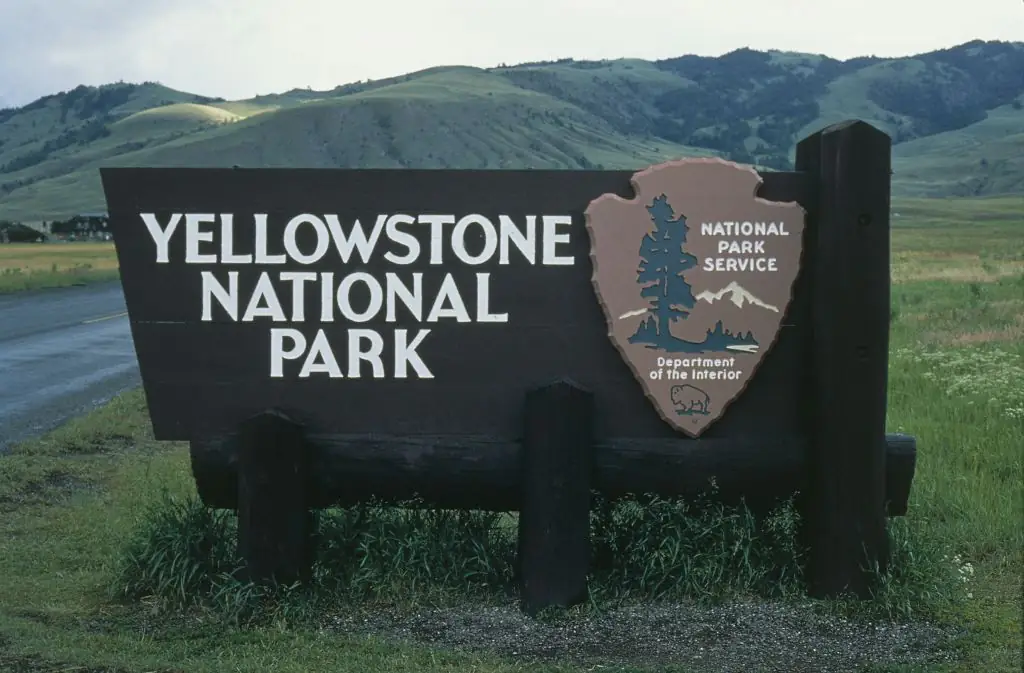
As previously reported, a visit to Yellowstone National Park turned fatal for 23-year-old Colin Scott, who tragically died after falling into a volcanic hot spring.
According to official park reports, Colin had been testing the temperature of a spring when he slipped and fell in. Despite immediate rescue efforts, the scalding water proved fatal, according to The Guardian.
Rangers rushed to the scene, but a severe thunderstorm forced them to temporarily halt recovery efforts. When they returned the next day, Colin’s body was gone, leaving behind only his sandals and wallet floating in the acidic pool.
Deputy Chief Ranger Lorant Veress later detailed the horrific conditions in his incident report, writing: “In a very short order, there was a significant amount of dissolving.”
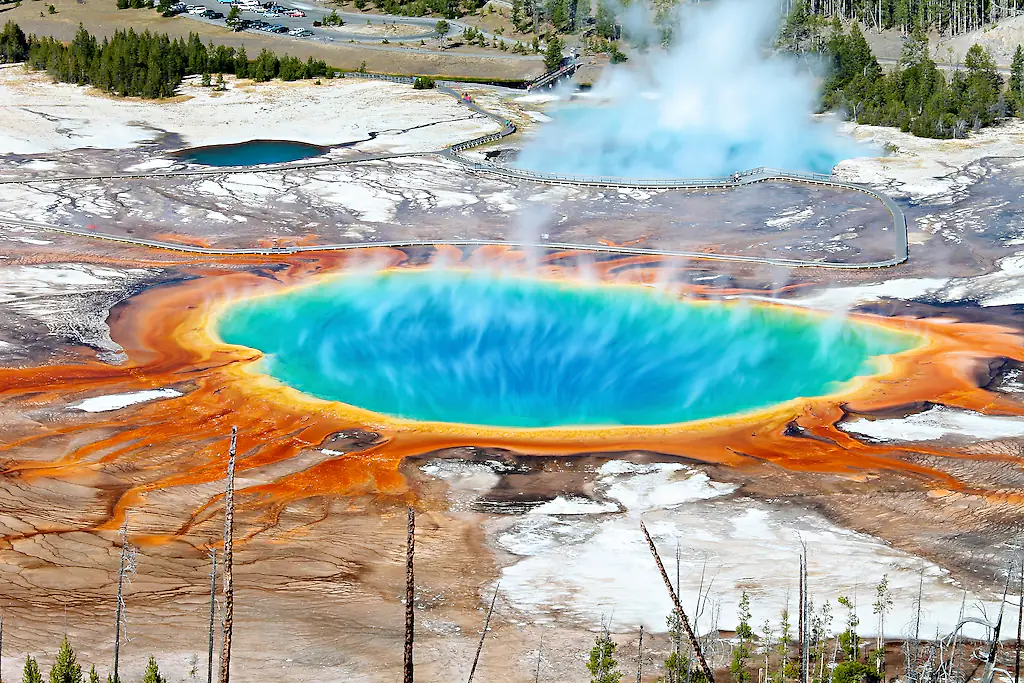
What is hotpotting?
Hotpotting involves soaking in mineral-rich natural thermal hot springs, which soothes and unwinds the muscles, making for a relaxing experience.
Many people have likened it to a natural hot tub and have cited many perceived health benefits of the mineral-rich water.
However, the term can also refer to the illegal and extremely dangerous practice of entering scalding-hot geothermal pools which have signs warning people not to go near the waters, as per the National Park Service.
Why did Colin Scott die from hotpotting?
Scott's attempt at hotpotting ended in disaster as he was testing the waters in an area known for its extreme geothermal activity, where temperatures and mineral content make the water fatally hazardous to humans.
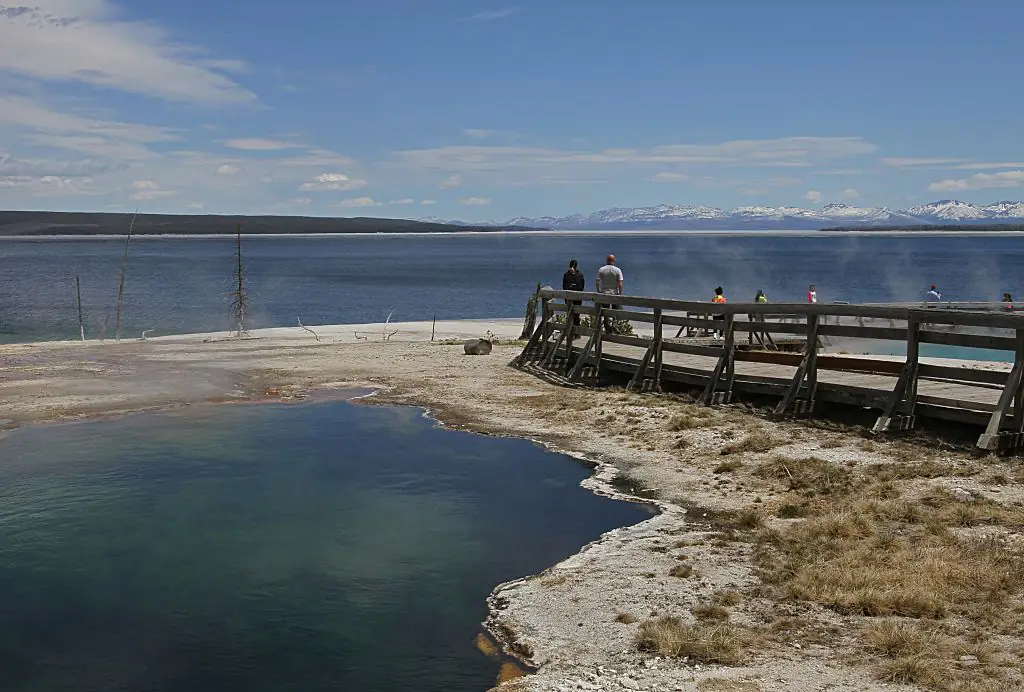
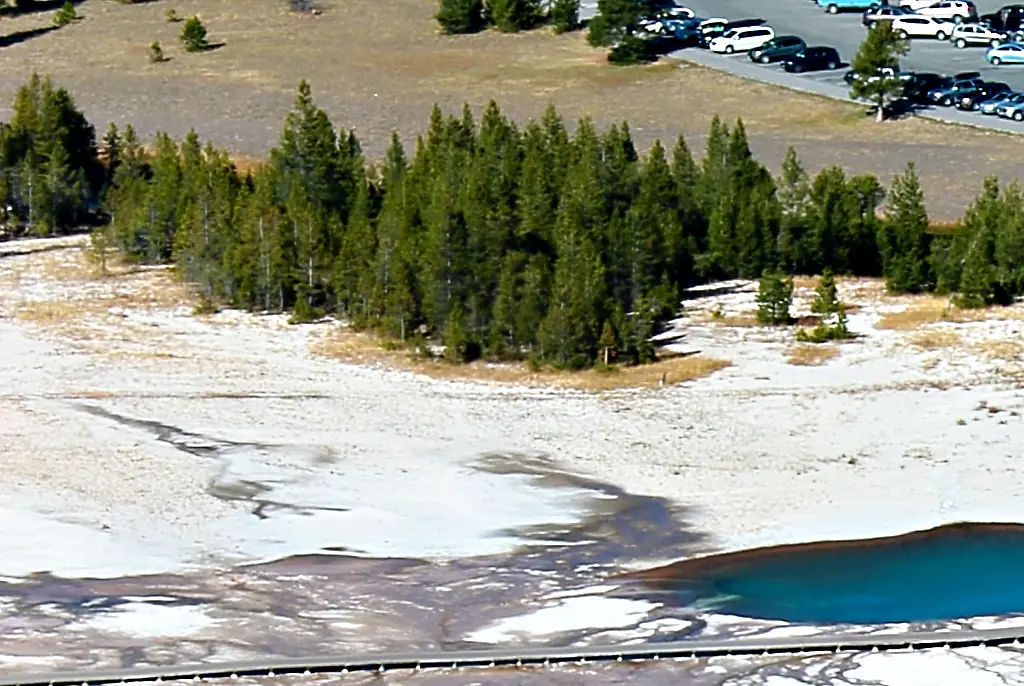
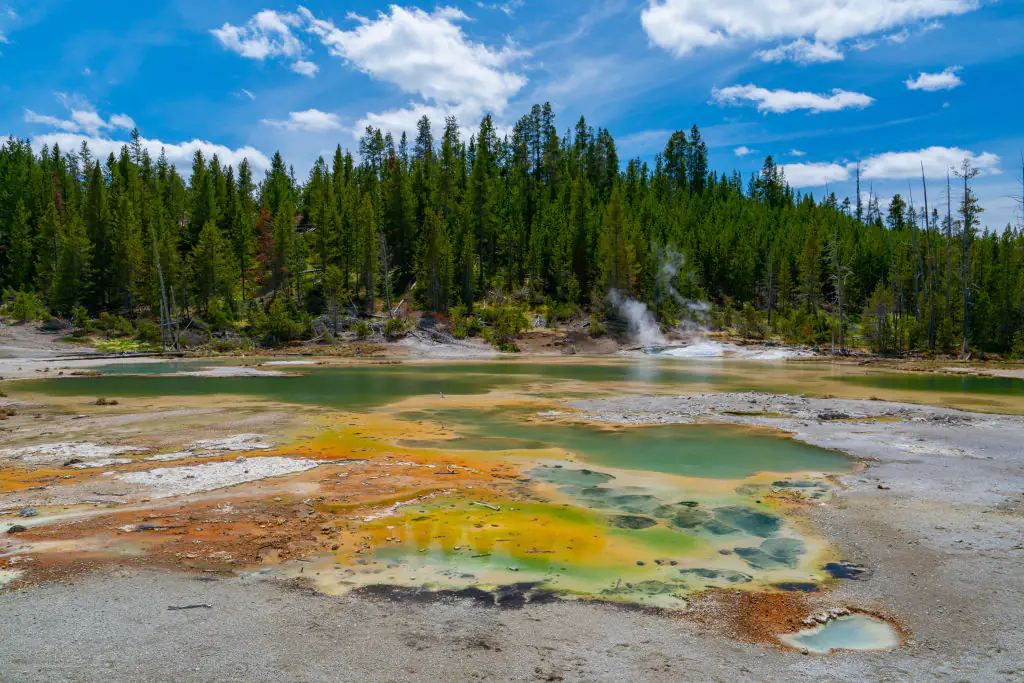
He and his sister were walking along a boardwalk in Yellowstone National Park’s Norris Geyser Basin, an area that has the park's oldest and hottest acidic thermal springs, when he fell in while trying to test the waters.

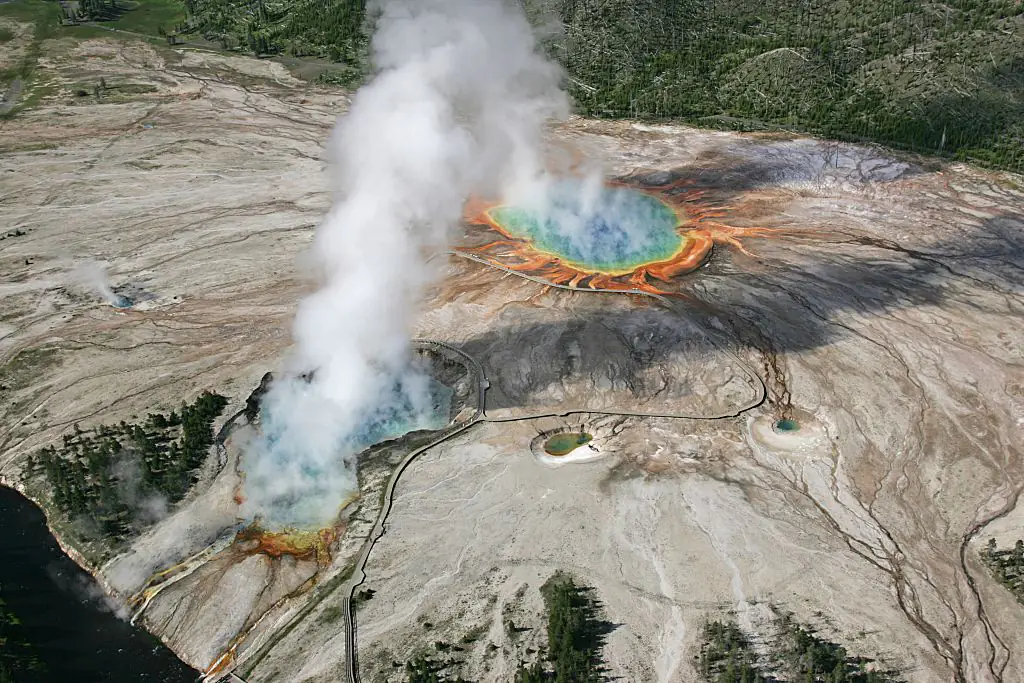
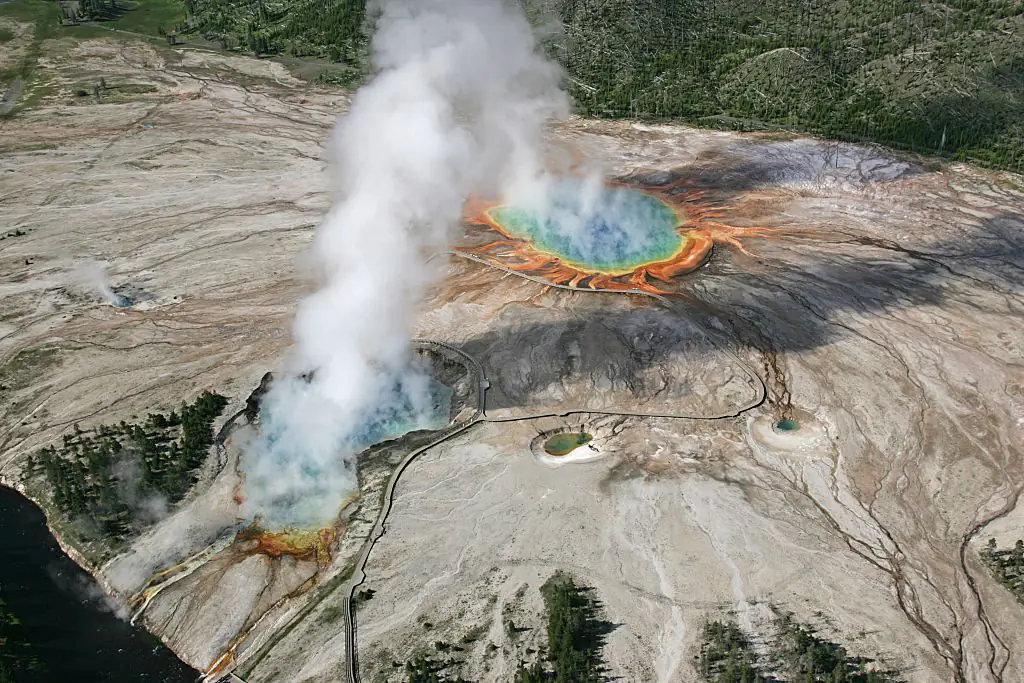
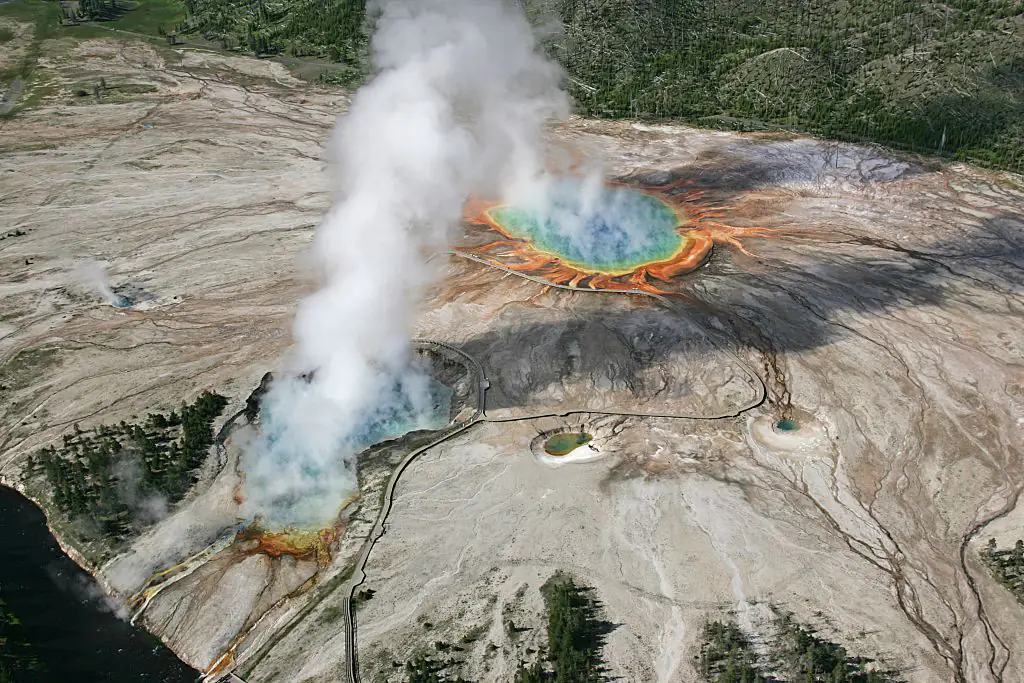
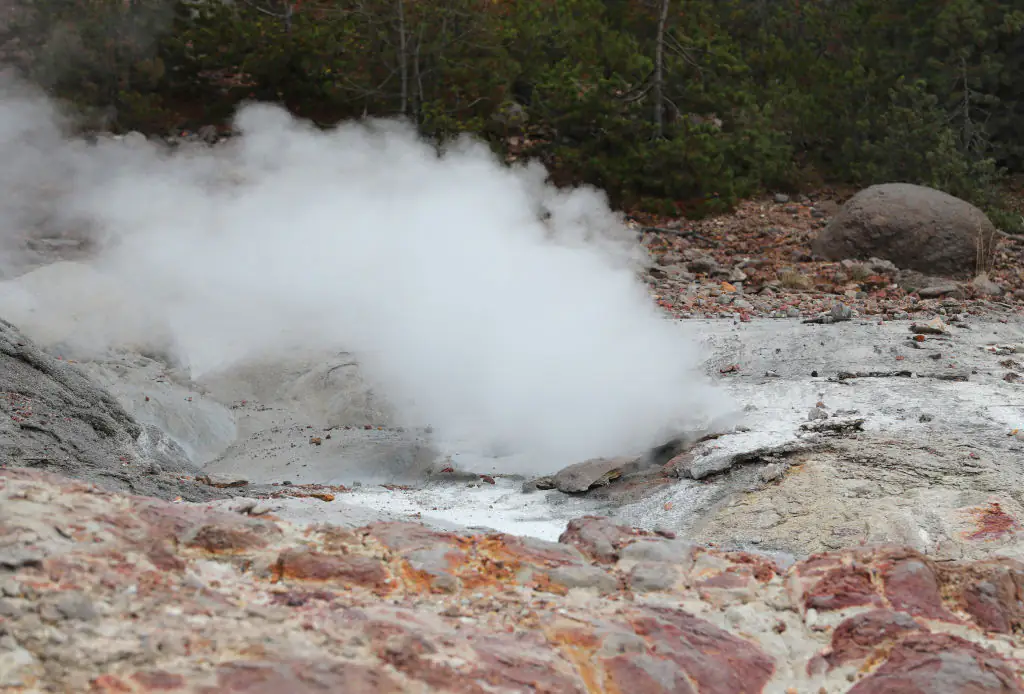
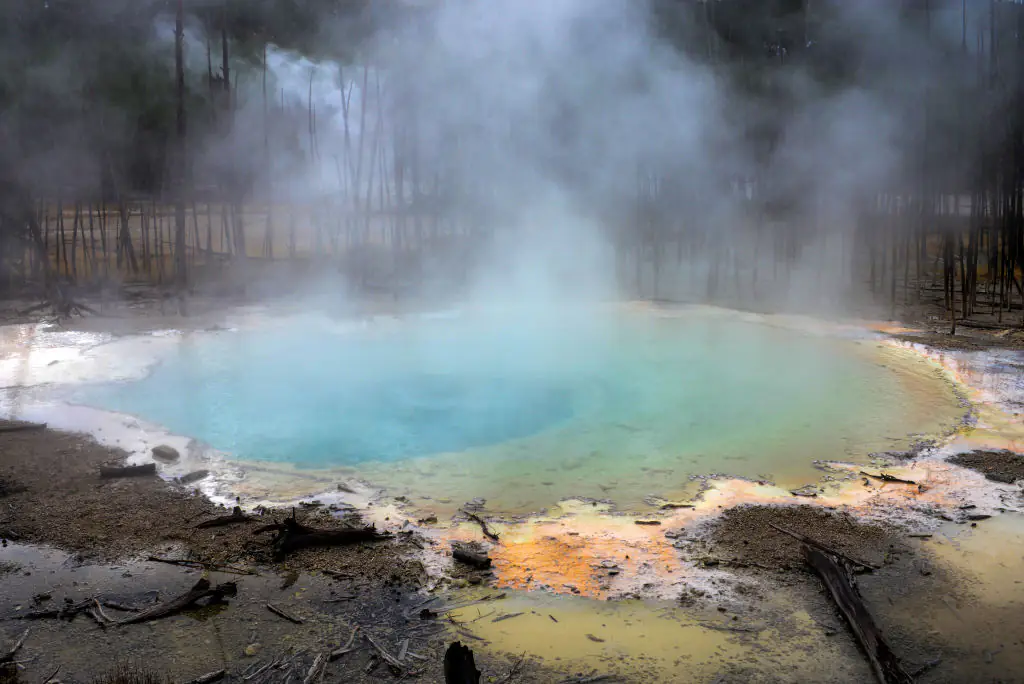
While the vivid colors and bubbling pools of Yellowstone are breathtaking, they conceal some of the most dangerous natural environments on Earth.
The combination of sulfuric acid, heat, and volcanic minerals makes these pools extremely corrosive. Only a few species of heat-resistant bacteria can survive in these waters; humans certainly cannot.
How many people have died while hotpotting at Yellowstone?
More than 20 people have died in Yellowstone National Park's 10,000 geothermal pools, according to reports.
While the number may seem small given the millions of visitors each year, the park consistently warns tourists to stay on designated boardwalks and never approach geothermal features.
According to the park's official website, the waters can reach an enormous 250 degrees Fahrenheit, meaning people can be seriously scalded or killed easily if they illegally venture too far from the designated walkways.
Hank Heasler, the park’s principal geologist, explained: "Geothermal attractions are one of the most dangerous natural features in Yellowstone, but I don’t sense that awareness in either visitors or employees."
Visitors are given ample warnings as the National Park Service publishes warnings, posts signs, and maintains boardwalks where people can walk to get close to popular geyser fields.
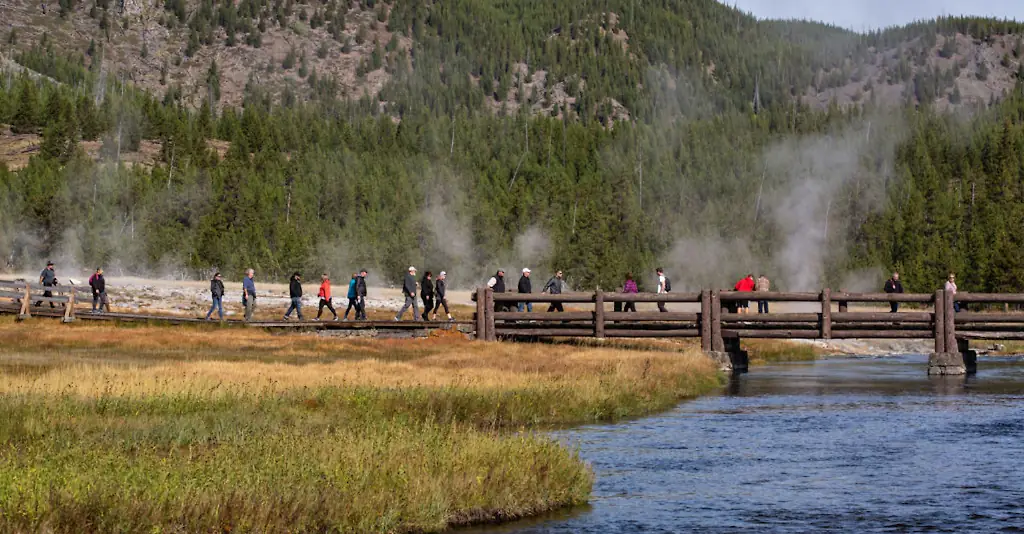
However, despite their efforts, rangers generally have to rescue one or two visitors a year, often small children who have wandered off the designated paths and whose feet have punctured the thin earthen crust and plunged into the boiling water.
Are all hot springs deadly or dangerous?
In a word, no. Some hot springs are completely safe for humans to hotpot in, such as the Blue Lagoon in Iceland, a popular destination for those looking to bathe in the naturally warm waters.
Kevin Furlong, Ph.D., professor of geoscience at Penn State University, told Men's Health that most hot springs form when surface water percolates down to hotter parts of the earth, and then comes back up.
Deeper down, they can reach up to 110 degrees, around 10 degrees warmer than a standard hot tub, which means that they're nice and toasty to bask in without causing any major problems.
However, Yellowstone's hot springs are very different.
Furlong warned: "Yellowstone is basically a huge volcano."
The park sits over a large body of magma that measures at thousands of degrees Fahrenheit, which in turn makes the crust and the water far hotter than is safe for humans.
As well as the water being hot enough to cause lethal burns, it is also extremely acidic, with a pH of 5, meaning it would also cause chemical burns.
This is also the reason that Scott's body was completely dissolved within a day of him falling in.
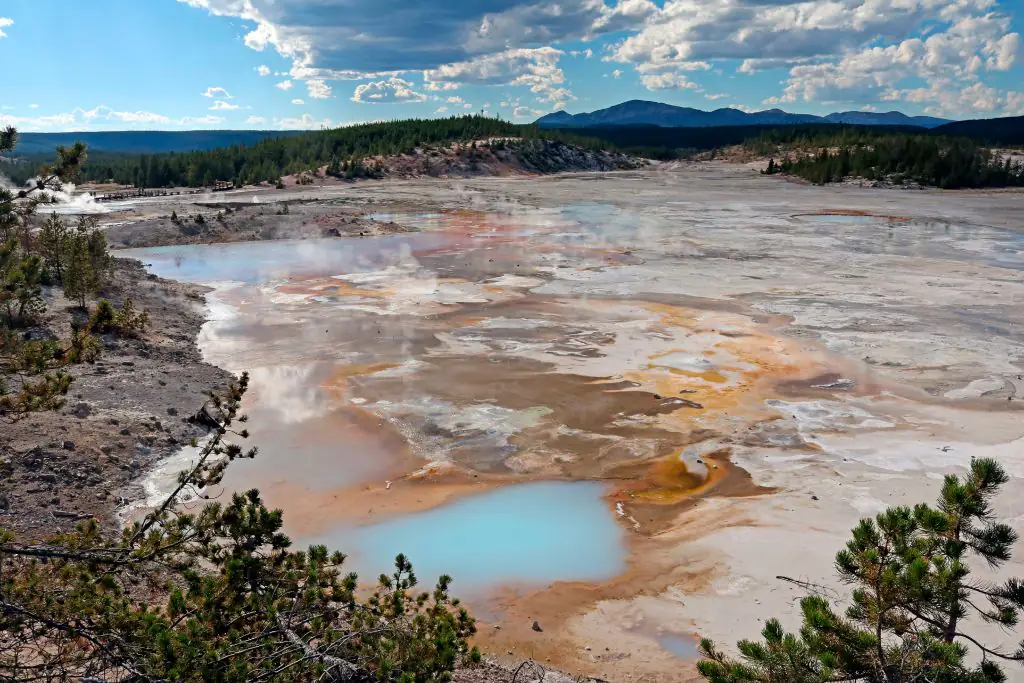
How can you stay safe at Yellowstone?
It goes without saying that to give yourself the best chance of your visit going without a trip to the emergency room (or far, far worse), visitors should always heed any warnings and guidance issued by the park.
They should also strictly stick to the trails and not wander off them even if they look safe - the terrain, though beautiful, is deceptively dangerous as the ground surrounding the thermal springs can be very weak, meaning that it can collapse and leave people in danger of falling in.
Hotpotting, or soaking in natural hot springs, should only be attempted in parks that explicitly allow it, as there's always a good reason why it would be disallowed - from boiling waters to potentially containing harmful organisms that could cause infections that would be painful or even fatal.


.webp_QQJmGo?tr=cr-345.0.1535.1190,f-webp,q-70,w-100)




.webp_QQJmGo?tr=cr-345.0.1535.1190,f-webp,q-70,w-1024)


