


Health3 min(s) read
Woman who micro-dosed Ozempic reveals impact it had on her body
.webp_SmgFsc?tr=cr-292.0.1244.952,f-webp,q-70,w-100)
A woman who experimented with micro-dosing Ozempic has opened up about what the trend actually did to her body, and while it helped her lose weight, she says the experience came with serious downsides.
Ozempic is designed to treat Type-2 diabetes, but the drug has become widely known for another effect. Its active ingredient, semaglutide, suppresses appetite and reduces cravings, which has led many people to use it in hopes of losing weight.
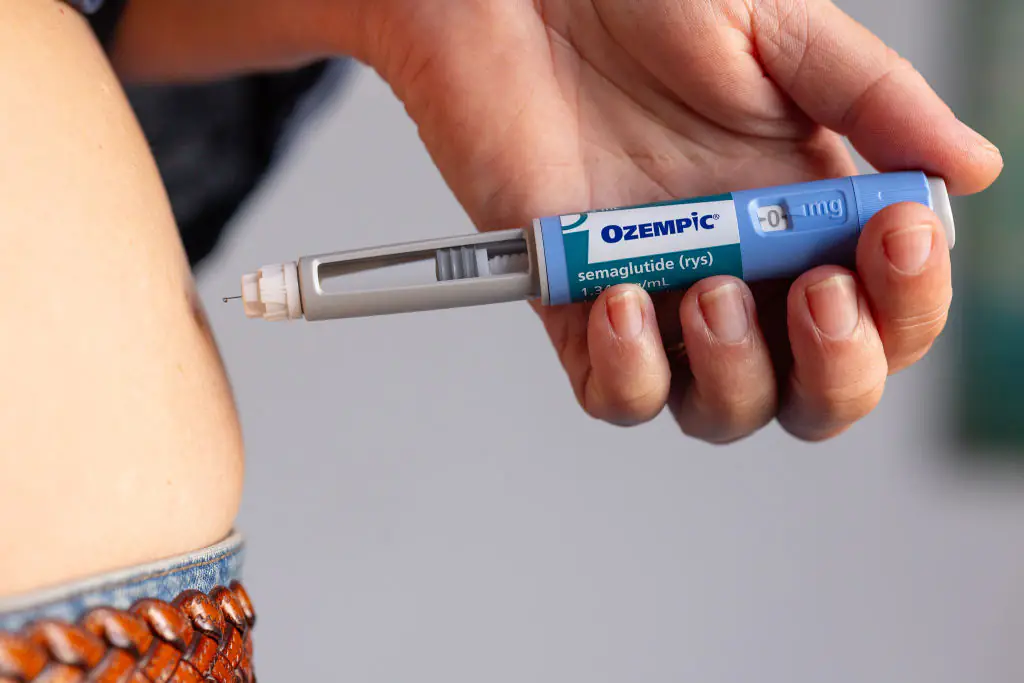
Recently, some patients have begun experimenting with a new approach known as micro-dosing. The idea involves stretching out the medication by taking smaller amounts more often or spacing doses further apart.
The micro-dosing trend explained
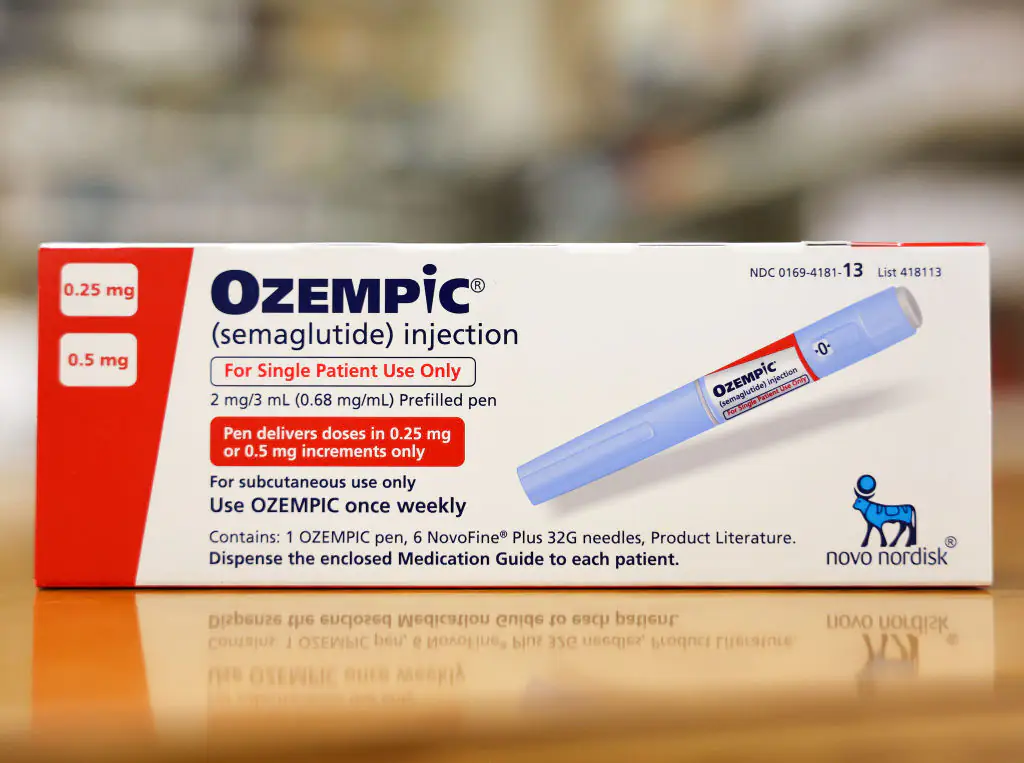
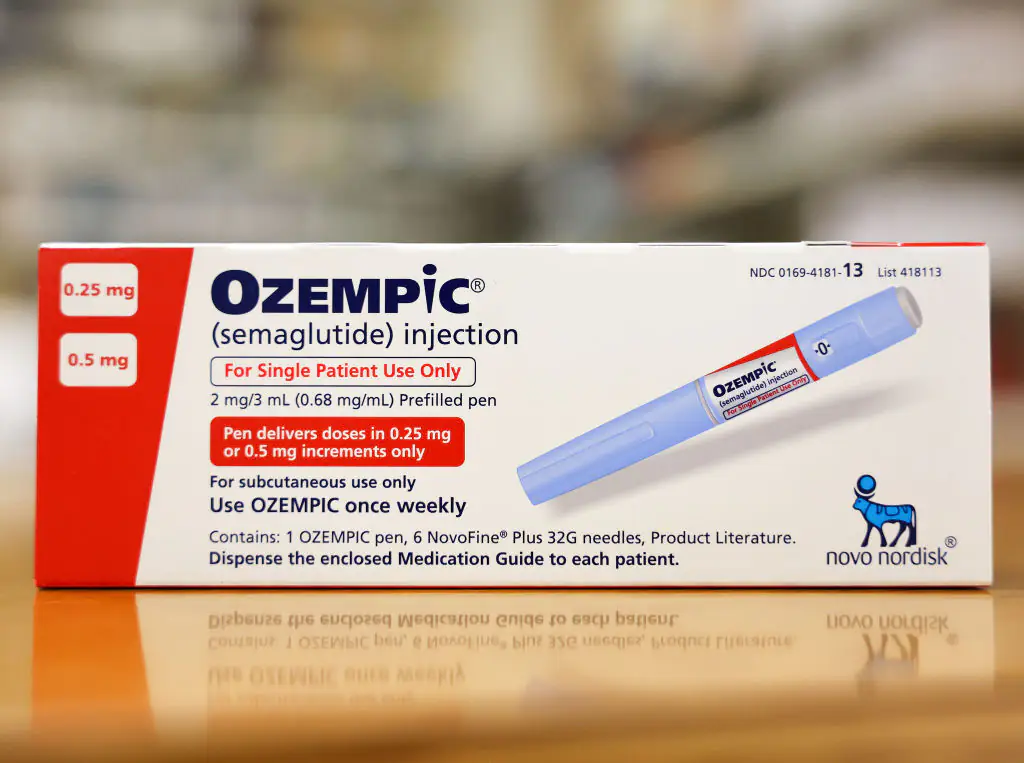
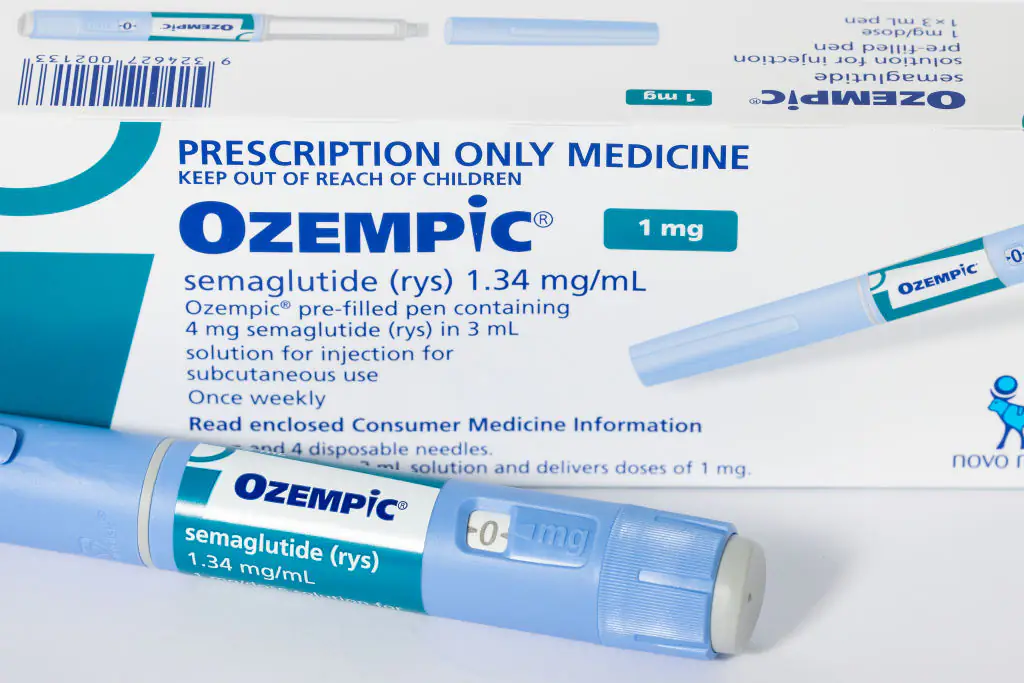
Ozempic typically comes in a pre-filled injector pen that contains four doses. Treatment often starts at 0.25mg and increases gradually up to a maximum of 2mg, with injections usually taken once a week.
But some users have taken to social media to share how they stretch the medication from four doses to five or even six. Supporters claim it allows them to make the drug last longer while still experiencing weight loss.
One advocate of the method is Madison Burgess, who said the approach helped her lose 60lbs over two years.
However, others who tried the same idea have shared very different experiences.
Journalist tests the theory
Writing in The Independent, journalist Charlotte Cripps revealed she tried micro-dosing herself. She said she split her 1mg dose into 0.50mg and took the injections every two weeks instead of weekly.
Cripps said the approach helped save money and still seemed to "do the trick" while also helping her avoid some common side effects linked to Ozempic, including nausea and fatigue.
.jpg_RxMwyI?tr=cr-0.0.724.483,f-webp,q-70,w-1024)
"The idea behind microdosing is that you may be able to get the same benefits with less of the drug. There are no specific studies to compare microdosing regimes with approved dosages, so nobody has a clue about how safe it is," Cripps wrote.
"But take it from me, it’s not. Counting the clicks is no way to live," she continued.
The unexpected downsides
Despite losing up to a fifth of her body weight within a year and restoring her cholesterol levels to normal, Cripps said the experience left her feeling miserable.
She explained that the drug made her worry about nutritional deficiencies and muscle loss.
As a vegetarian, maintaining a high-protein diet proved difficult.
"I ended up eating so much high-protein yoghurt with nuts and blueberries that I couldn’t go on. I lost the will to live. I had no social life."
Cripps said the routine even led her to skip dinners with friends and her children so she could stick to a high-calorie protein drink instead.
According to Medical News Today, it is not currently known whether micro-dosing semaglutide is safe or effective, particularly when Ozempic is prescribed to reduce other health risks, such as cardiovascular problems.
Supporters of the trend argue that smaller doses can help avoid side effects like vomiting, nausea, and constipation.
For Burgess, the symptoms were so severe on a full dose that she struggled to eat until her doctor suggested the micro-dosing method.
"I’m a big advocate now of microdosing," she said. "Going slow and staying low is my motto nowadays, and I think it’s better for long-term results."
As for Cripps, she ultimately decided the approach was not worth continuing. While she said it helped her reset her eating habits and lose weight, she now considers herself "free from the hell of micro-dosing."
.webp_lli6Ty?tr=cr-74.9.445.380,f-webp,q-70,w-100)

.webp_vBqgAR?tr=cr-242.0.1293.1051,f-webp,q-70,w-100)

.webp_QQJmGo?tr=cr-345.0.1535.1190,f-webp,q-70,w-100)






.webp_lli6Ty?tr=cr-74.9.445.380,f-webp,q-70,w-1024)

.webp_vBqgAR?tr=cr-242.0.1293.1051,f-webp,q-70,w-1024)

.webp_QQJmGo?tr=cr-345.0.1535.1190,f-webp,q-70,w-1024)


