


Relationships6 min(s) read
Gynecologist reveals worst place to have sex
.webp_lli6Ty?tr=cr-74.9.445.380,f-webp,q-70,w-100)
A gynecologist has shared their advice on the worst places to have sex - and chances are, you might have tried at least one of them.
Many people choose to spice up their sex lives by varying the location - even if that just means doing it on the sofa instead of the bed.
But it turns out there can be a right and wrong place to get down with your partner, and the consequences can be pretty uncomfortable.
Dr. Kath Whitton, a CREI fertility specialist, gynecologist, and obstetrician, revealed that there's a few common mistakes many people make in the heat of the moment.

She told Body+Soul: "We spend a lot of time discussing with whom and how, but where almost never comes up, and it genuinely matters."
It should come as no surprise that many of the worst places to have sex involve water or heat - both of which can wreak havoc with the vagina, leading to an increased risk of things like UTIs, thrush, and even bacterial vaginosis.
Dr. Whitton adds: "The reason comes down to how the vagina works. A healthy vaginal environment is naturally mildly acidic and carefully balanced to keep harmful bacteria in check."
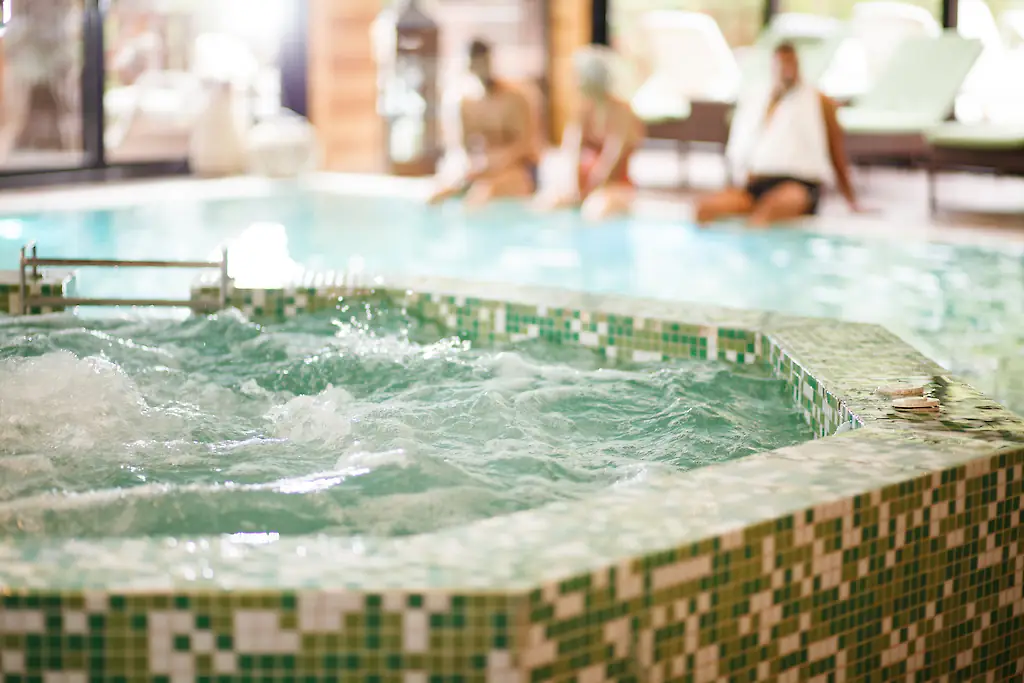
Hot tubs and spas
Topping Dr. Whitton's list is hot tubs and spa pols - particularly if they are for use by the public.
She explained: "Research has found that around 67 per cent of hot tubs and 63 per cent of swimming pools test positive for a bacteria called Pseudomonas aeruginosa at any given time."
This nasty bug is known for causing hot tub folliculitis - a pustular skin rash that is concentrated in the groin and vulvar region.
The doctor added: "During sexual activity, where small skin abrasions are common, it can also make its way into the urinary tract."
As if that wasn't warning enough, the warmth of the water also breaks down disinfectants faster, meaning that those shared hot tubs are usually a lot more contaminated with bacteria than people realize.
Rivers, lakes, and estuaries
Just because it's a natural body of water doesn't mean it is any safer than a hot tub, however, as there can be some pretty nasty things hiding there too.
Unlike swimming pools, which are usually treated or disinfected, whatever is in a natural body of water is "completely uncontrolled".
Dr. Whitton warns: "These waterways can carry E. coli, norovirus, and other bacteria spread through fecal contamination from animals, agricultural runoff and other swimmers.
"Even swimming in these environments carries documented infection risk."
As for having sex in this environment, it exposes the mucosa to bacteria, which is also pushed towards the urethra, and as the vagina and bladder are closely connected, this could trigger a UTI or "make recurrent UTIs more likely."
Chlorinated pools
So if untreated bodies of water aren't safe, you'd assume chlorinated pools would be fine, right?
Unfortunately not.
While they are safer than hot tubs or rivers, Dr Whitton warns they're not guaranteed not to cause problems.
She warned: "Pool water is significantly more alkaline than the vagina’s natural environment, and chlorine is a chemical irritant to the delicate tissue of the vulva and vaginal lining.
"Research published in the Journal of Obstetrics and Gynaecology Canada found that women who swam regularly in chlorinated pools had more disrupted vaginal bacteria than those using saltwater or brominated pools."

The beach
Hot weather, a nice tan, and maybe a few cocktails can all make you feel more frisky than usual, but getting down on the beach probably isn't a great idea - and it's not just the risk of being pulled up for public indecency.
According to Dr. Whitton, the problem is the sand as it can cause "physical damage" by making tiny abrasions to the sensitive skin around the vulva and perineum.
She adds: "Once sand gets near the vaginal opening it’s remarkably hard to clear completely. Those small skin breaks make infection easier to establish."
As well as the risk of irritation and infection, it could also increase the risk of pregnancy as it makes condom use "practically difficult", meaning the condom is far more likely to fail.
Natural hot springs
While they may look incredible, hot springs are probably best used as a nice photo for Instagram rather than a location to have sex in.
Due to the pH and mineral content being "uncontrolled and variable", hot springs can harbor bacteria, parasites and amoebae.
As well as the bugs, the heat can also compromise the reliability of condoms, and sex in thermal waters is known to increase rates of vaginal infections, UTIs, and thrush, according to research.
A hot car
If you simply can't wait to make it indoors before ripping each other's clothes off, you might want to rethink having sex inside the car, especially if it's hot.
According to Dr. Whitton: "Synthetic seat fabric causes friction, the heat creates ideal conditions for thrush-causing yeast, elevated temperatures degrade latex condoms and there’s no bathroom access afterwards.
"It’s the combination of all many factors that makes it a problem."

Another general point Dr. Whitton makes is that any location without a bathroom nearby isn't the most ideal place to have sex.
Peeing after intercourse flushes bacteria away from the urethra before it can travel to the bladder, and is one of the most crucial things to do to lessen the risk of UTIs.
And if you're desperate to get frisky in the presence of water, Dr. Whitton recommends the shower as the least-risky option, as the genitals are only briefly exposed to the water rather than it "pooling" around them.
There are still a few things to be wary of in the shower, though, as the main concern is the risk of slipping, and the decrease of natural lubrication, which can be combated by a silicone-based lubricant which won't wash away with the water.
While the prospect of adventurous sex might be appealing, Dr. Whitton believes that sometimes the safest options can be the most rewarding.
She adds: "It sounds obvious, but it’s worth saying out loud because ‘adventurous’ has become culturally synonymous with ‘better,’ and from a health standpoint, that’s not always true."