


Relationships9 min(s) read
Meet the YouTube star who's teaching the internet what it's actually like to be autistic
.webp_SmgFsc?tr=cr-292.0.1244.952,f-webp,q-70,w-100)
It's no secret that disabled people have historically been marginalised in our society. And unfortunately, to this day, little is done to shed light on their experiences from their own perspective.
Far too often, disabilities such as autism are misunderstood, oversimplified, and undermined. So, keen to learn more about autism, VT spoke with one of the UK's most influential voices on the topic, Daniel Jones.
The Welsh content creator currently has more than 140,000 subscribers on his YouTube channel, The Aspie World.
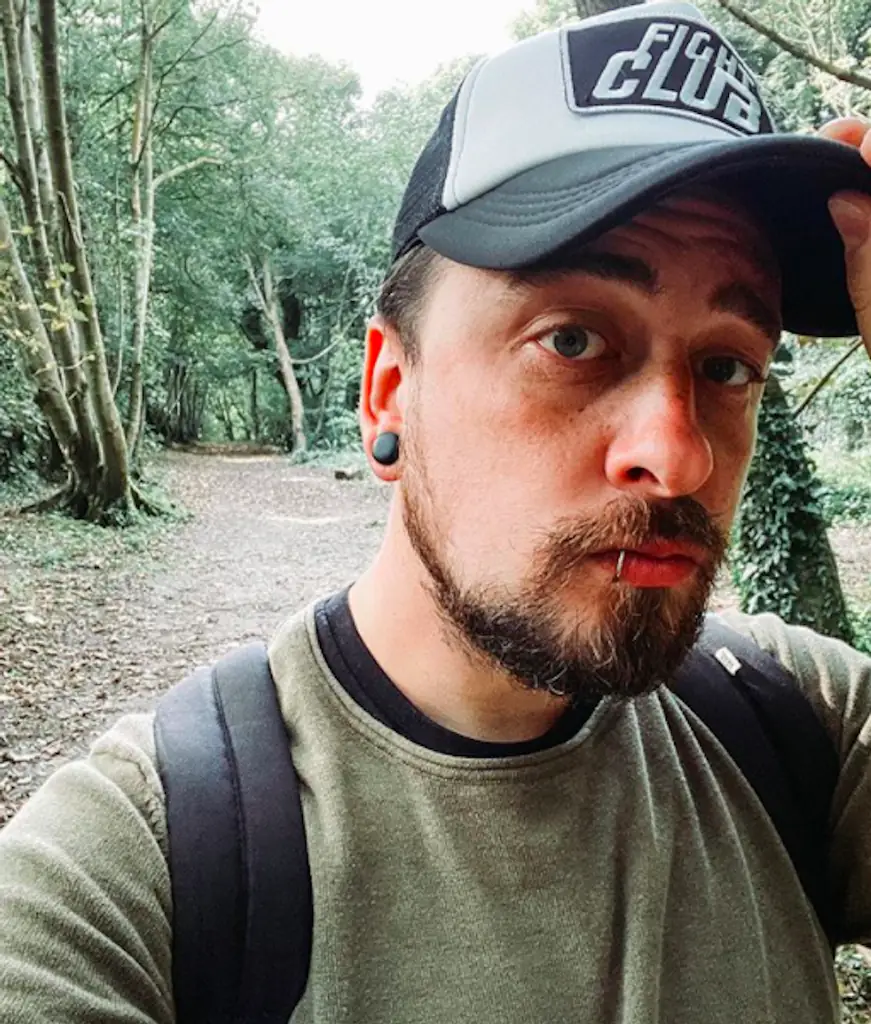
When Dan, who is now 34, was diagnosed with Asperger's Syndrome at the age of 26 back in 2013, he knew practically nothing about the condition.
These days, Asperger's Syndrome is widely considered an outdated term.
In fact, in the same year that Dan received his diagnosis, Asperger's merged with other sub-diagnoses to become the all-encompassing Autism Spectrum Disorder (ASD).
It should be noted, however, that there are autistic people who still identify with the label of Asperger's Syndrome and may use it interchangeably with autism.
.png_FBK5R4?tr=cr-0.0.1.1.17,f-webp,q-70,w-1024)
Autism is a lifelong developmental disability whereby communicating, processing information, and adapting to social norms can be extremely challenging for the individual.
It can also affect the way that autistic people experience everyday life through their five senses.
"Basically, all my life I'd been struggling with issues up until I was 26 and got diagnosed. Issues ranging from socialising, finding friends, shyness, and what my parents thought was extreme agoraphobia," Dan tells VT.
From a young age, his parents and teachers were aware that he had "issues", but Dan grew up in Anglesey, Wales, which was a "long way away from anywhere that was diagnosing autism back in the '90s," he explains.
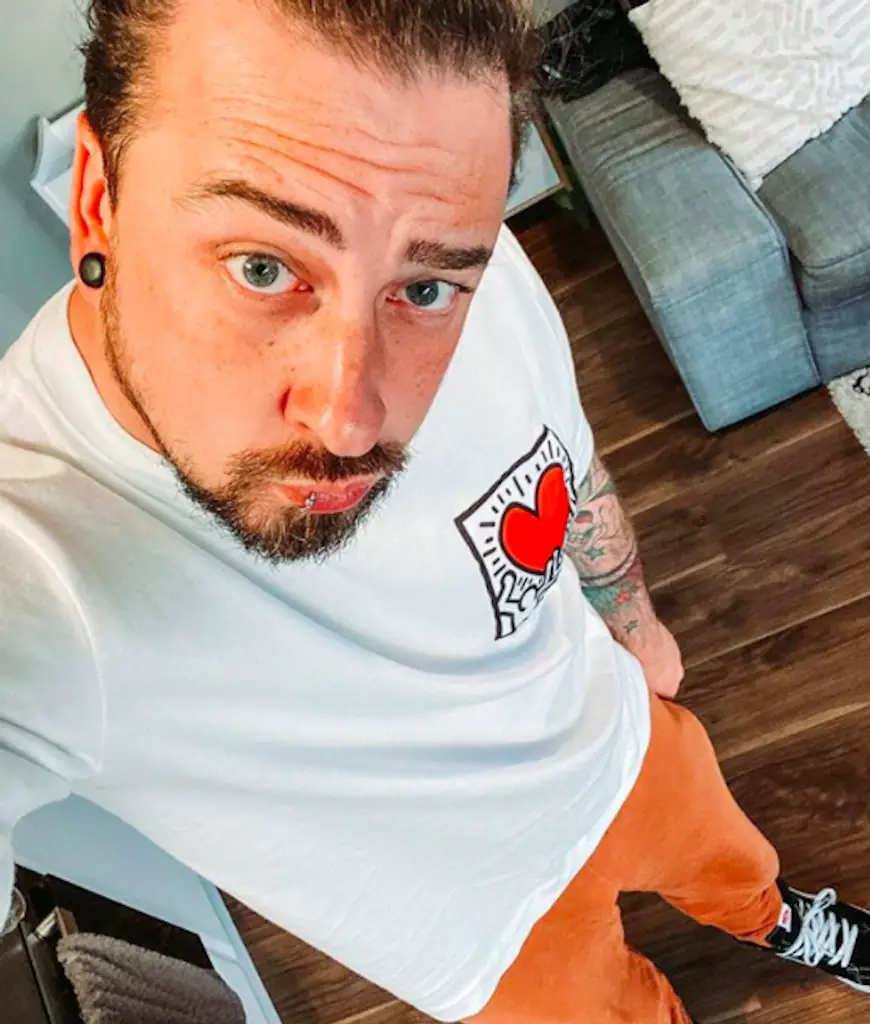
Concerned about Dan’s development, his parents took him "to see all kinds of shrinks".
"At about six or seven years old, they arranged with the school that I was allowed to stay indoors at break times and play on the computers," he recalls.
"Because autism wasn't a thing that people were diagnosed with, they were like 'maybe it's attachment issues, extreme separation anxiety, extreme shyness, or short-term memory loss'. They just didn't know.
"I was given one-to-one sessions every day in the library to improve my speech and reading," he explains.
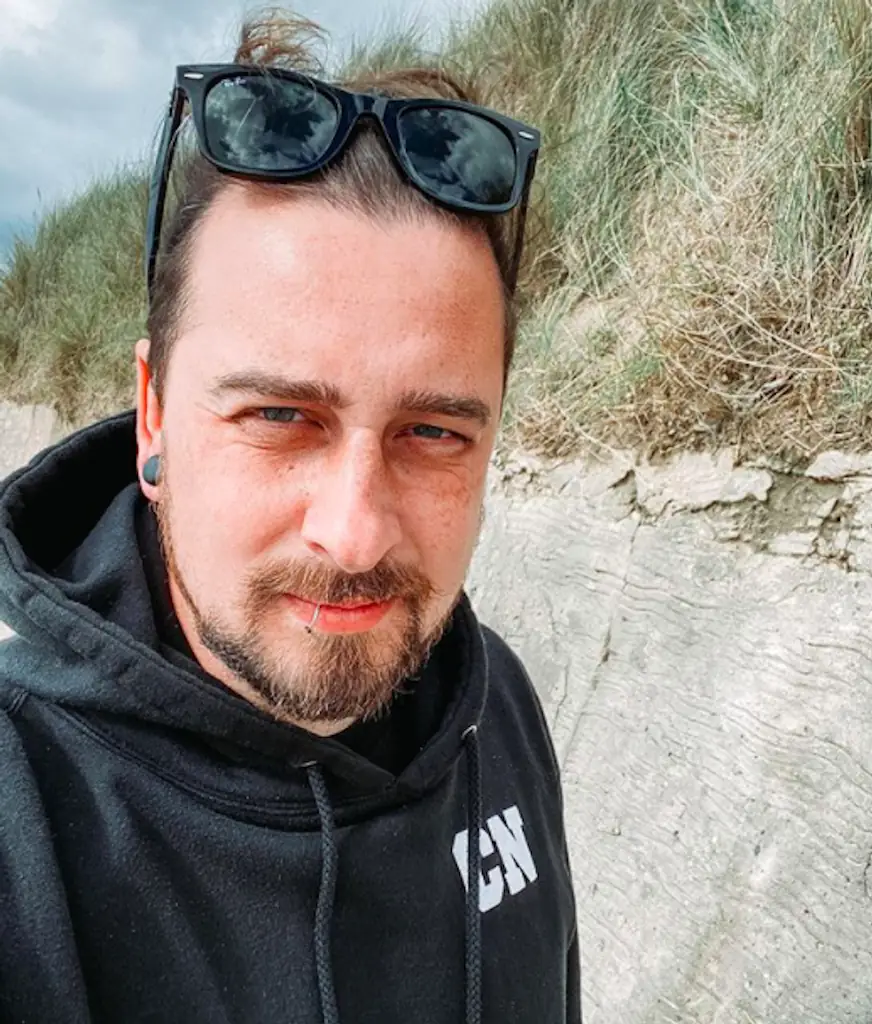
Dan also shared that he was placed in "the special ed class" at school.
"It was rubbish," he says. "They didn't really teach anything. You'd just draw pictures all day. It was s**t."
Teachers noticed that while Dan showed signs of developmental issues, he also showed a precocious interest in topics such as Ancient Egyptian history and science.
In fact, following an access course, Dan later went on to earn a degree in Chemistry.
But while Dan enjoyed learning, he found the social aspect of university overwhelming.
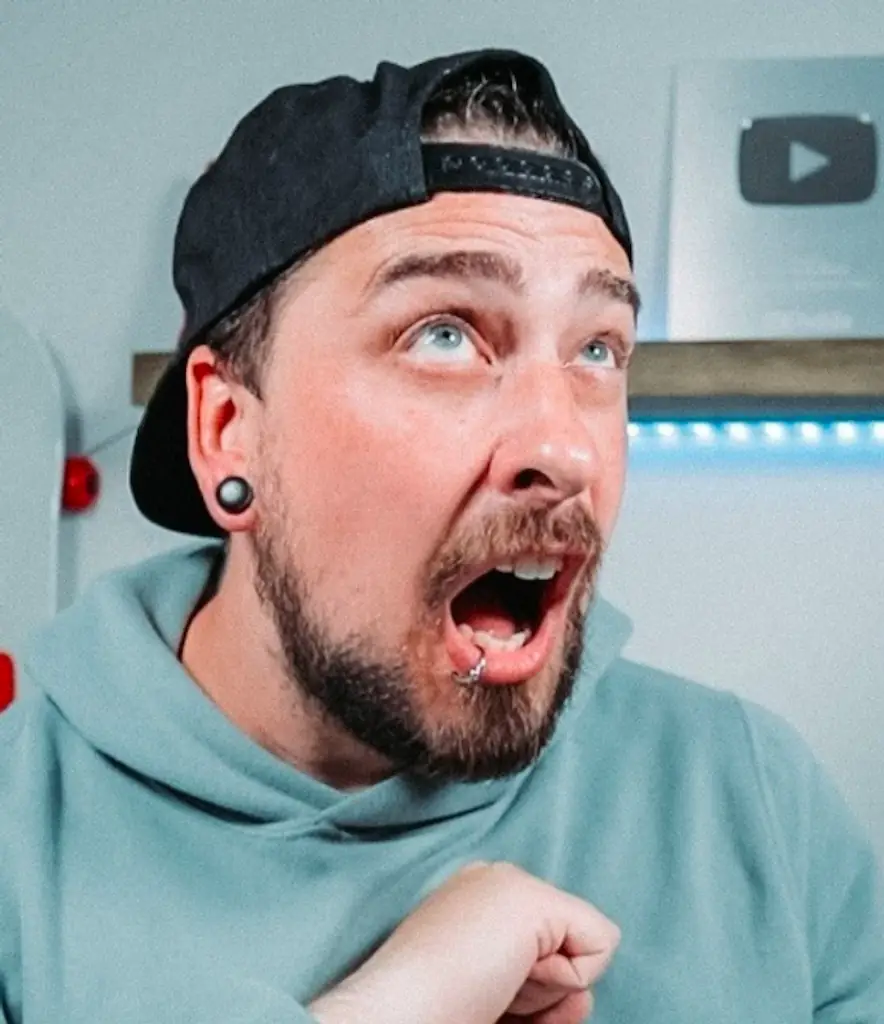
"I felt quite alone," he says. "Sometimes I thought, 'Am I brain-damaged or bipolar?' Because I'd heard of those things. But I didn't align with any of those."
On top of all this, Dan is extremely sensitive to certain sounds, smells, tastes, textures, food temperatures, and lighting due to his Sensory Processing Disorder (SPD), which often co-exists with autism.
One of the more interesting aspects of Dan's SPD is that even certain words can be extremely uncomfortable - painful even - for him to hear.
"There are certain words that hurt," he explains. "The sound and formation of the word. It just hurts when I hear them."
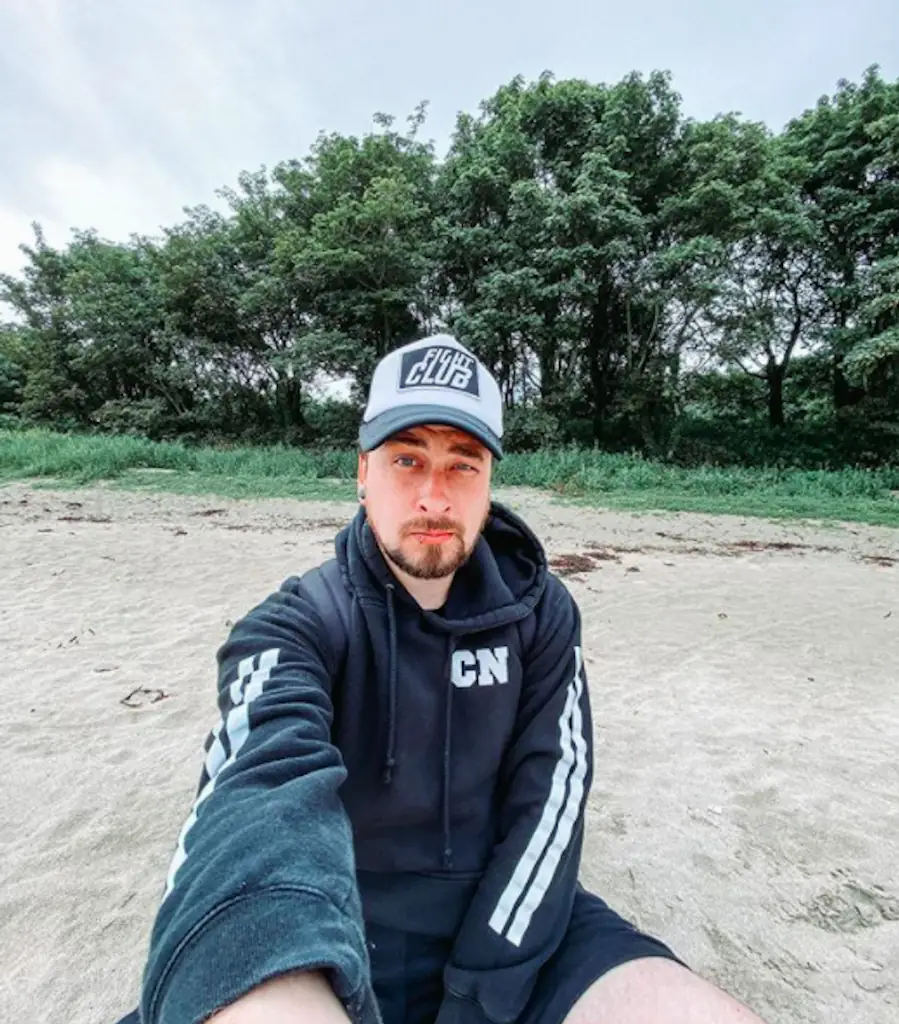
Dan’s Asperger's diagnosis at the age of 26 came about during a difficult time in his life.
"The company I worked for was quite a small company. There were only about six of us in the office and it was cool because I had my spot," he says. "But then on one of the days I went in, they moved our desks around and it expanded to a 200-person company."
"I had a meltdown because they were changing my desk around, moving me from where I was positioned," he continues. "I had to take time off work and I worked from home for a little bit. That really rocked me to my core. I had to go to therapy."
It was only when his partner, Naomi, who was studying Childhood Development in Autism, and her mother, a mental health nurse, suggested he might be on the spectrum that a developmental disability became a possibility for Dan.
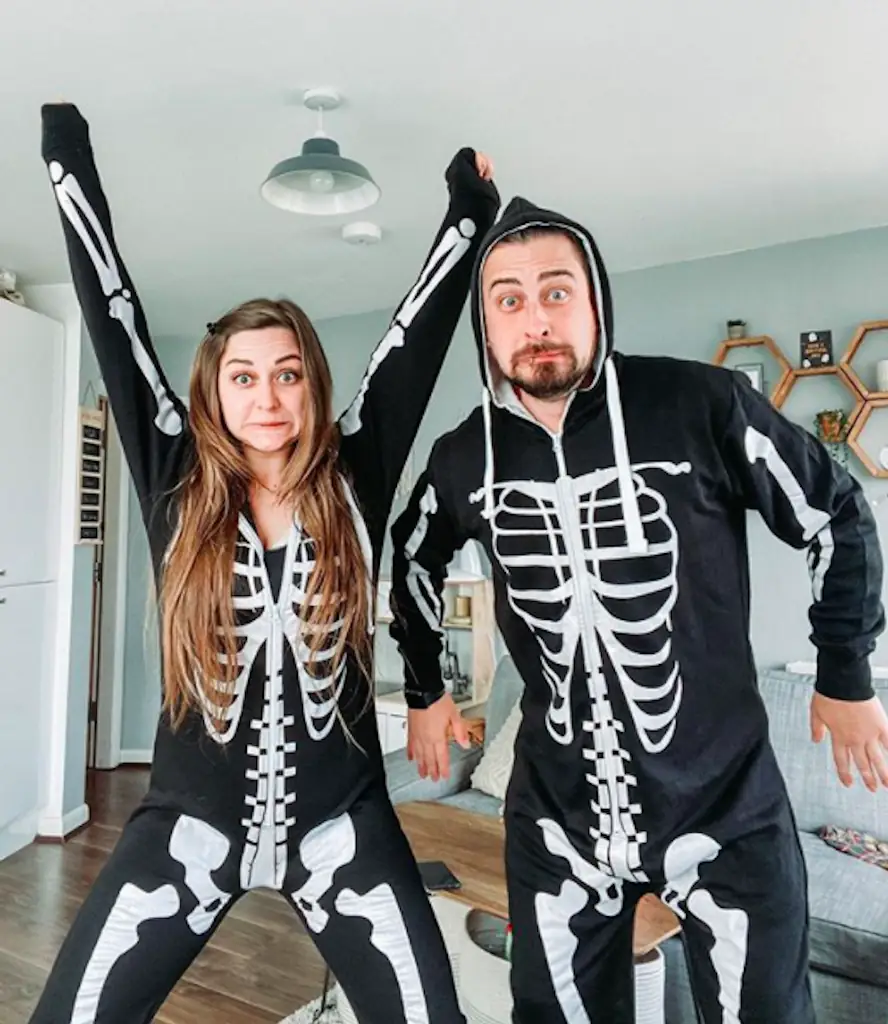
Through his doctor, Dan was able to get a referral for an autism assessment. The process included interviews, tests, and neurological brain scans. Ultimately, he was diagnosed with Asperger's Syndrome and ADHD.
"When they said I had Asperger's Syndrome, I went home and Googled it and went on YouTube," he recalls. "There was nothing really on YouTube. It was really bleak. The videos on YouTube were all very depressing."
And that's when The Aspie World was born.
"I wanted to create educational and entertaining videos," Dan says. "I don't want people who have the condition to feel alone."
At the start of each video, the content creator - now a bona fide influencer - introduces himself, saying: "My name is Dan. I have autism, ADHD, OCD, and dyslexia" - conditions that often go hand in hand.
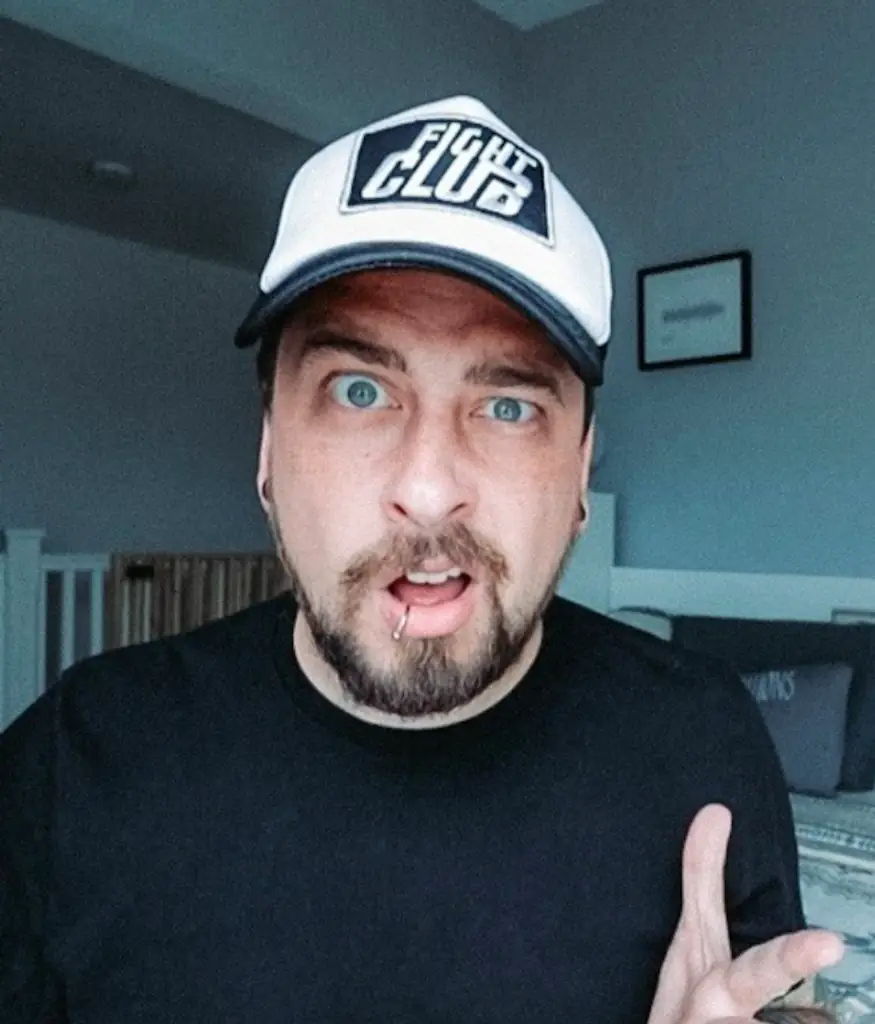
But in spite of the many challenges he has faced from an early age, Dan told VT that he sometimes feels "guilty" that he is classified as having the same disorder as non-verbal autistic people with much higher support needs.
"There are kids with Autism Spectrum Disorder who cannot even go to the bathroom on their own - and they can't say one word," he says.
"People are visual - so to them, disability has to be visual," Dan adds. "So, if there's a guy with tattoos talking on a stage about autism, they're thinking this doesn't compare to the kid next door who has to use an iPad to talk."
"It's a lack of knowledge," he continues. "If everybody knew that autism was a spectrum of different levels of ability and support needs then no one would bat an eyelid."
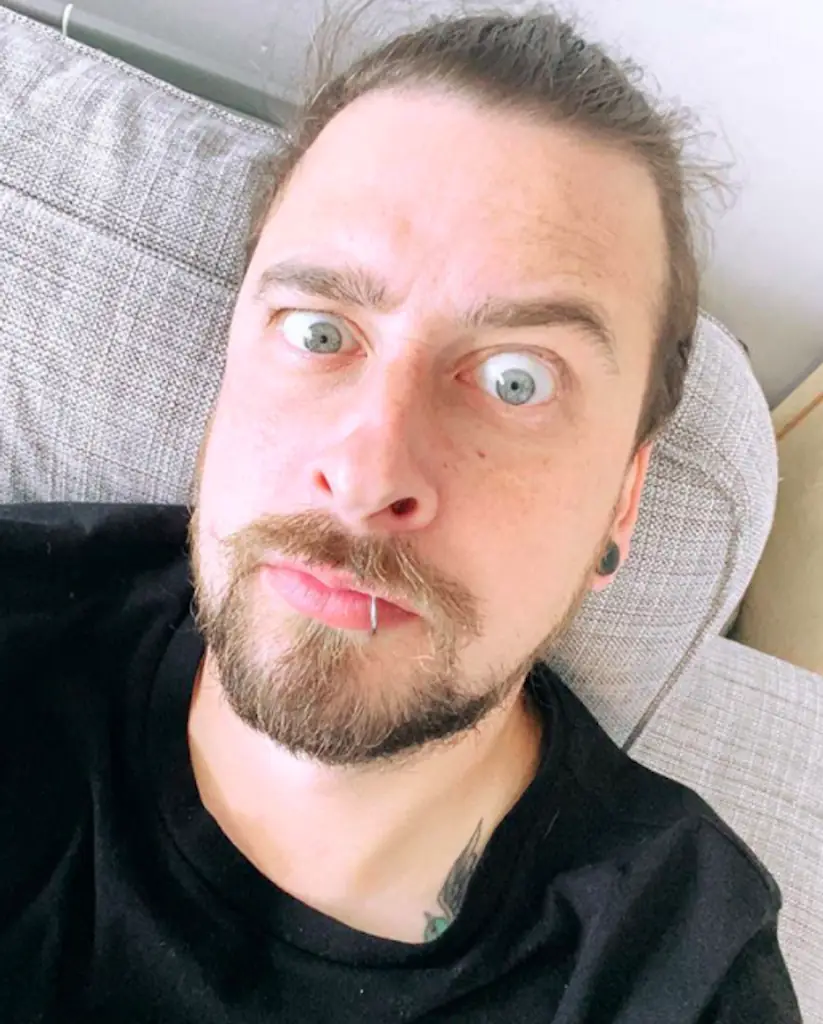
Unfortunately, this lack of knowledge certainly isn't helped by the fact that autistic people in mainstream media are very hard to come by.
In fact, Dan was actually supposed to feature on a reality TV show called The Circle, but at the last minute, Channel 4 pulled the plug on his involvement.
"People are too scared to put autistic people on reality television," he says. "They don't want to be persecuted for representing somebody and potentially getting it wrong."
"But Channel 4 is one of the most diversity-driven channels - people with disabilities, people of colour, people of different religious backgrounds, and I love that. But then they let me down."
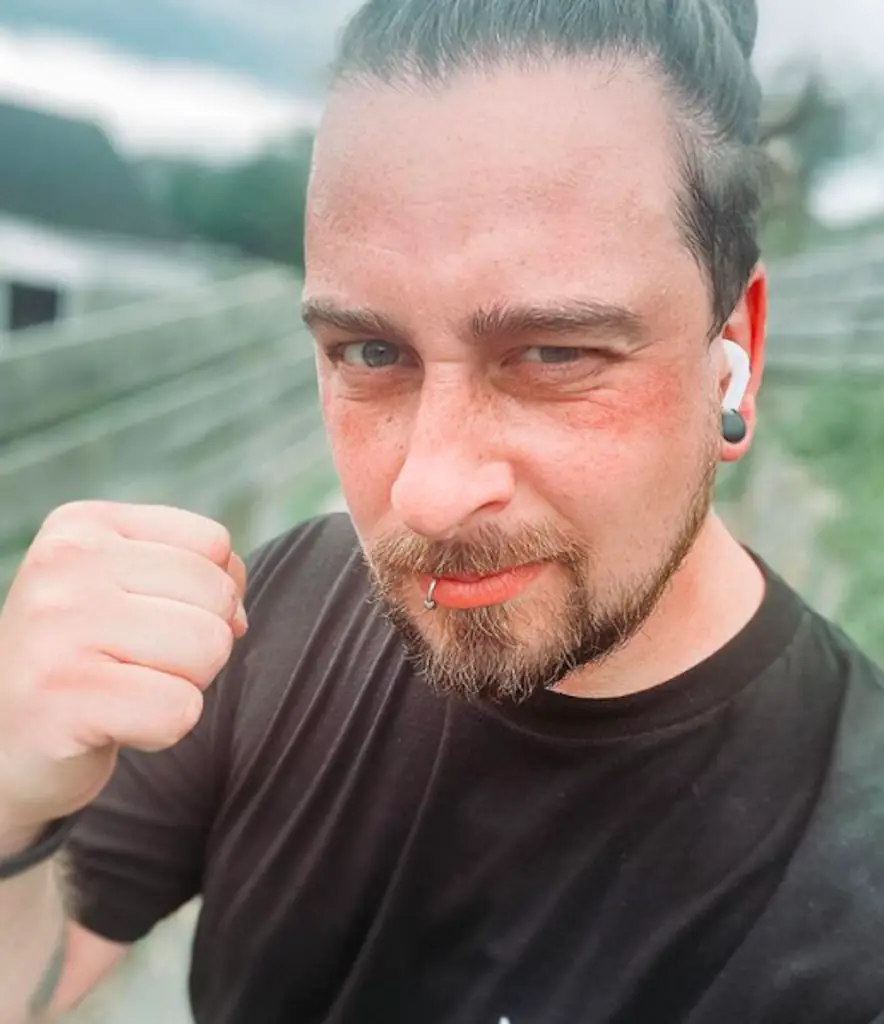
There are many misconceptions about autism - and excluding autistic people from the media only serves to perpetuate them.
When VT asked Dan what he felt was the biggest misconception about autism, he responded:
"Everyone thinks you're going to be like Rain Man. There's a misconception that we're all great at maths, that we can't communicate, and that we'll never fall in love and start a family.
"But I've got a partner I've been with for 11 years, and I've got a son who's two years old. Yes, I may be good at maths and have a degree in chemistry, which is a bit cliché - but not everybody on the spectrum is like that."
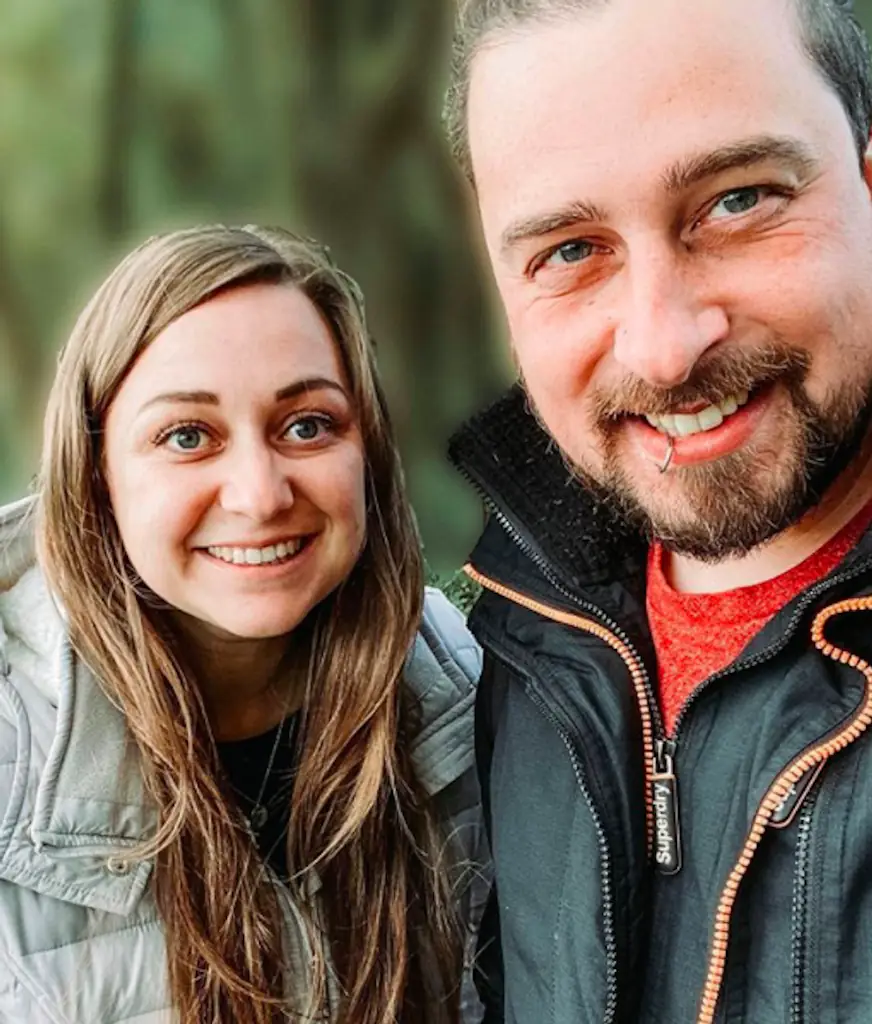
On the whole, it's important to realise that autism is referred to as a spectrum for a reason.
Not all autistic people will have each and every trait associated with autism. Some may be non-verbal, in need of round-the-clock care, or have severe temper tantrums - while other autistic people might be independent, have jobs, partners, and children.
However, the autistic people who may outwardly seem as though their condition is "not as severe" may have other common - albeit less visible - autistic traits.
Some of these traits include severe social anxiety, OCD, depression, ADHD, difficulty following instructions, difficulty learning via mainstream teaching methods, difficulty connecting with and understanding people, and repetitive behaviour patterns.

If you identify with some of these traits, have a think about whether you might want to seek a diagnosis. It might end up helping you in the long run.
In the meantime, if you'd like to download Dan's free PDF on Autism Hacks, click here.
Follow Dan Jones AKA The Aspie World on YouTube, TikTok, Instagram, Facebook, and Twitter.
.jpg_I4Ebof?tr=cr-0.338.2730.3068,f-webp,q-70,w-100)
.webp_vBqgAR?tr=cr-242.0.1293.1051,f-webp,q-70,w-100)



.jpg_I4Ebof?tr=cr-0.338.2730.3068,f-webp,q-70,w-1024)

.webp_vBqgAR?tr=cr-242.0.1293.1051,f-webp,q-70,w-1024)

.jpg_PGNUZg?tr=f-webp,q-70,w-525,h-200)

