


Relationships4 min(s) read
People are coming out as berrisexual – this is what it means
.webp_QQJmGo?tr=cr-345.0.1535.1190,f-webp,q-70,w-100)
Berrisexual is a word that is causing intrigue online, but what exactly is the new indentity?
Across queer communities online, new language continues to emerge to describe the full spectrum of attraction.
For many, discovering a word that captures their experience can feel like a relief, almost like finding a missing puzzle piece.
Recently, one of those words — berrisexual — has begun to gain traction among people who find that traditional labels don’t quite fit.
What does berrisexual mean?
Although berrisexual remains far less well-known than labels such as bisexual or pansexual, it is slowly seeping into conversations on Reddit, Tumblr, and LGBTQ+ wikis.
For a growing number of people, the label offers recognition, clarity, and a sense of belonging.
According to community-contributed definitions, a berrisexual is someone who can be attracted to all genders, but with a distinct pattern: attraction toward women and feminine-aligned or nonbinary/androgynous people is the default, while attraction toward men or masculine-aligned people is lighter, rarer, or more secondary.
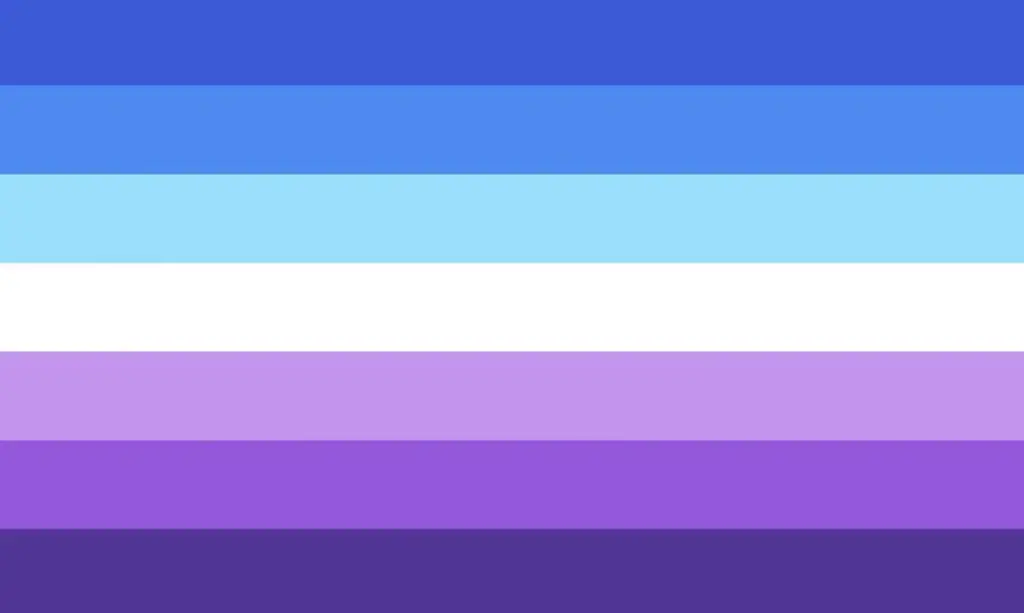
One early definition describes berrisexual as “someone attracted to women and feminine genders and androgynous genders, but also very rarely attracted to men and masculine genders.”
On Tumblr, users often explain that the label fits people who are “usually only attracted to women/feminine-aligned genders and nonbinary/androgynous-aligned genders, but occasionally feel little attraction to men/masculine-aligned genders.”
Community sites such as Queerdom Wiki (where the identity is sometimes called Laurian) clarify that while berrisexuality shares similarities with pansuality or omnisexuality — in that someone might be open to attraction to all genders — the key difference lies in the pattern: attraction to men is usually minimal or rare, compared with attraction toward women and nonbinary people.
Why the term is resonating online
On Reddit, users have greeted berrisexual with a mixture of humor and pride.
On r/bisual one user joked about what the “berrisexual flag as a person” might look like. On r/lgbt, reactions have been more enthusiastic. As one user wrote: “Berrisexual representation! 💙🩵🤍💜💜,” while another added: “Many people don’t know about berrisexual, and we need more representation!”
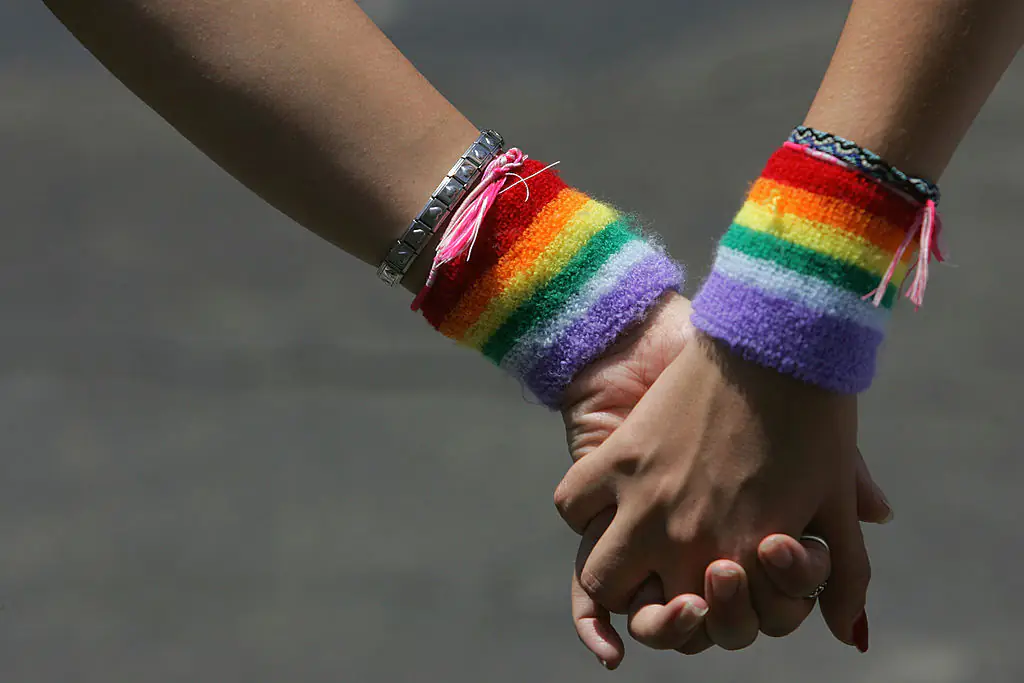
For some individuals, conventional labels like bisual or omnisual don’t quite nail down their personal feelings.
One redditor explained that they had struggled to choose between calling themselves omnisual or neptunic — then discovered berrisexual, which “felt more accurate.”
They wrote: “Now I don’t have to pick because berri fits like a glove.”
Another admitted they sometimes identify publicly as omnisual because it’s simpler to explain, even though they consider themselves berrisexual.
What berrisexual means for representation and identity
As the term gains visibility, some confusion and curiosity have emerged.
Questions such as whether berrisexuals can date men — or whether the label excludes men entirely — are already circulating. But community responses leave little doubt: of course they can.
As one contributor on the LGBTQIA+ Fandom site put it: “Berrisuality is about attraction to all genders… you can always date a man.”
For many, labels like bi, pan, or omnisual work perfectly well. But for others, those words may feel too broad or imprecise.
Microlabels like berrisexual provide a way to describe orientation that feels authentic, specific, and affirming.
Having a word that says: “Yes, I am open to attraction to anyone, but in reality my feelings are mostly toward women and nonbinary people,” can offer relief from the frustration of repeatedly trying to explain nuance. It can also help people find community with others who share similar patterns of attraction.
Even if berrisexual remains a niche identity today, it reflects a broader truth about queer life: attraction can be complex, fluid, and deserving of precise language.