Loading...
Health4 min(s) read
health4 min(s) read
health3 min(s) read
lifestyle3 min(s) read
Published 11:00 02 Jan 2024 GMT
Published 14:43 01 Jan 2023 GMT
A TikTok doctor is getting real about people's washing habits, revealing that there are body parts many people are not washing properly.
Posting to the platform, Dr. Jen Caudle shared the top five areas people don’t wash properly, and some of these might surprise you - because I sure as hell was.
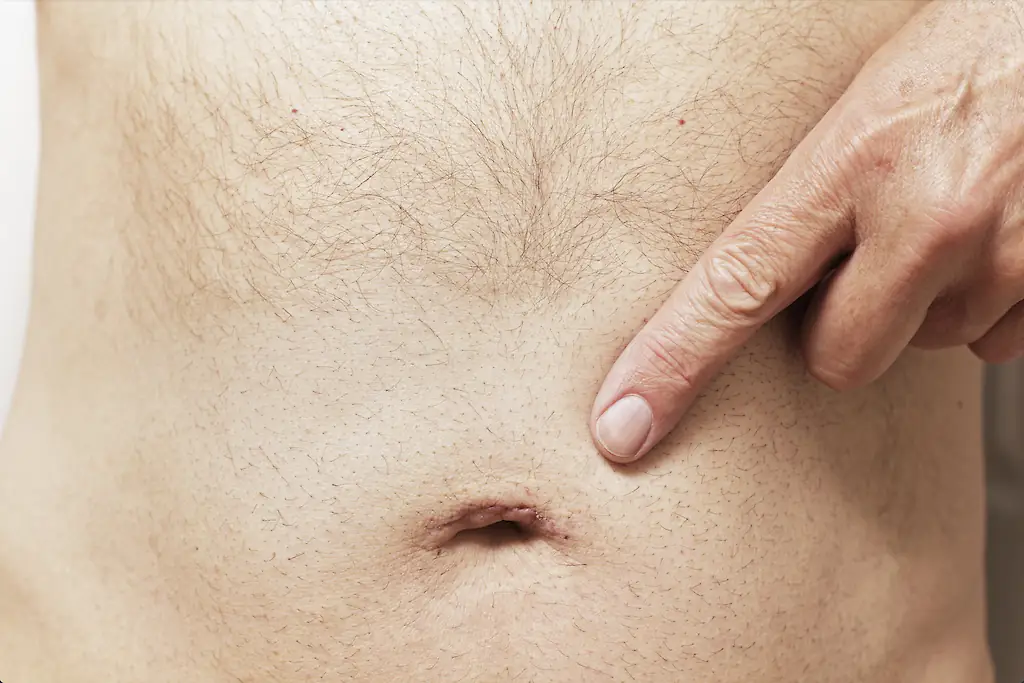
It starts off with the belly button.
"That’s right, a lot of guys don’t wash their belly button at all," she says in the one-minute clip. "Guys, it gets gross! Please wash your belly button."
Up next we have the ears.
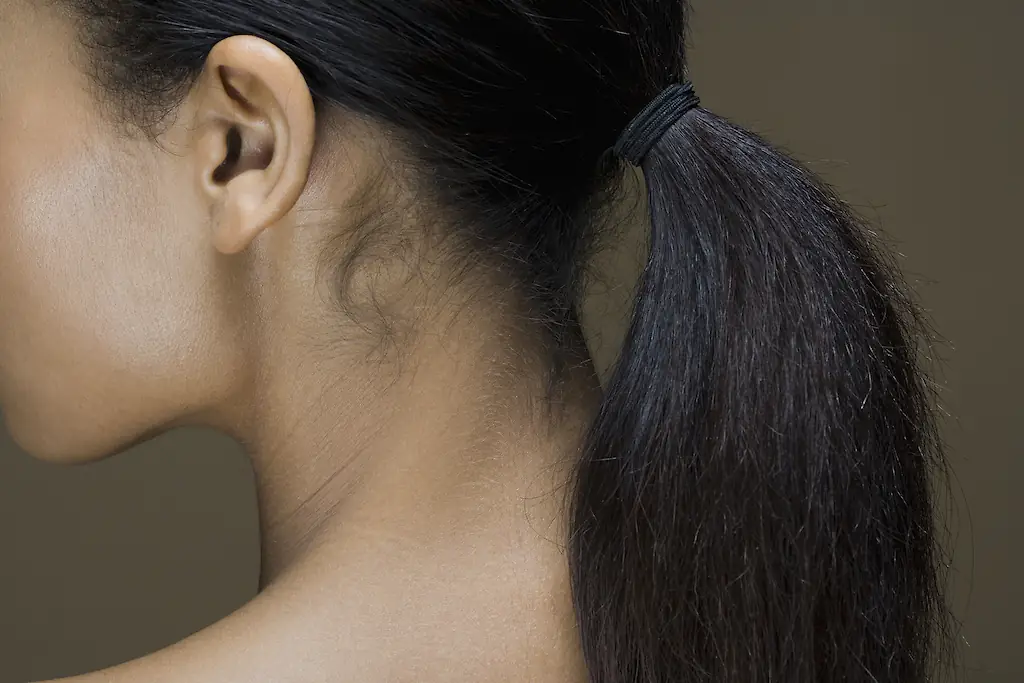
"The top of the ear, behind this little area here, the back, and also the lobe," she explains in the now-viral video. "I want you to specifically wash that area. If you rub your ear, you smell it and it’s gross, you haven’t washed it recently."
Not only that but things like shampoo scum can get trapped behind the ear and build up over time. Totally not cute.
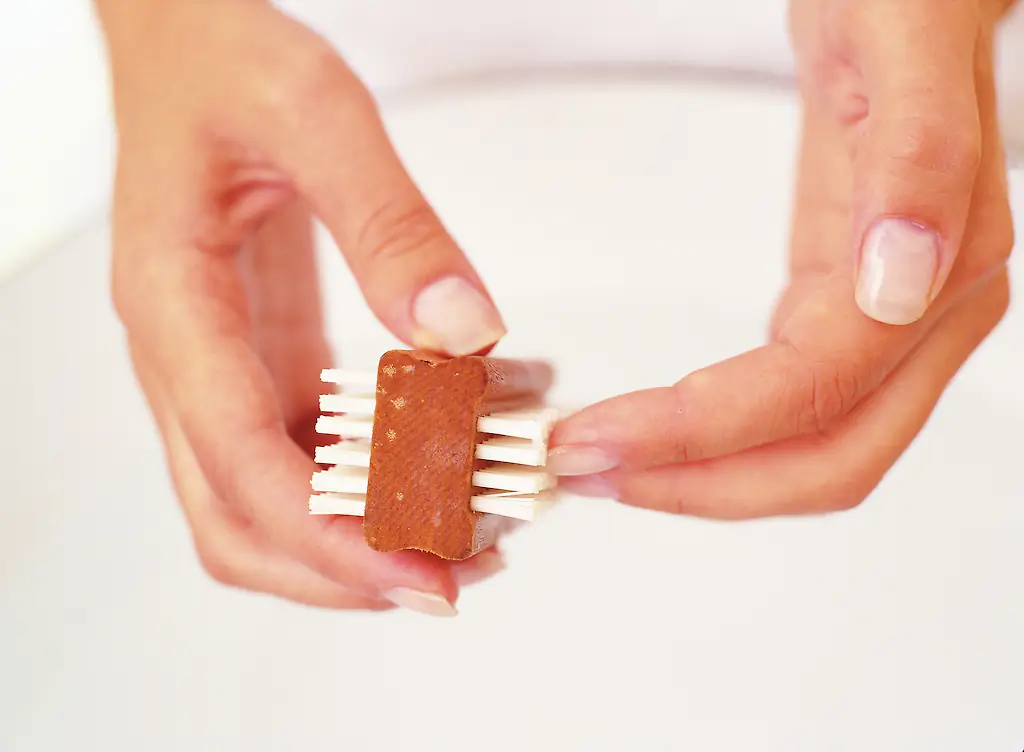
Then we have the nails.
"This is where a lot of dirt and grossness gets trapped," she said. "We don’t often think about it!"
And it's true! Bacteria builds up under the nails and because we use our hands so often to do daily tasks, we're spreading those germs to other parts of our body.
The fourth body part may come as a surprise... Legs.
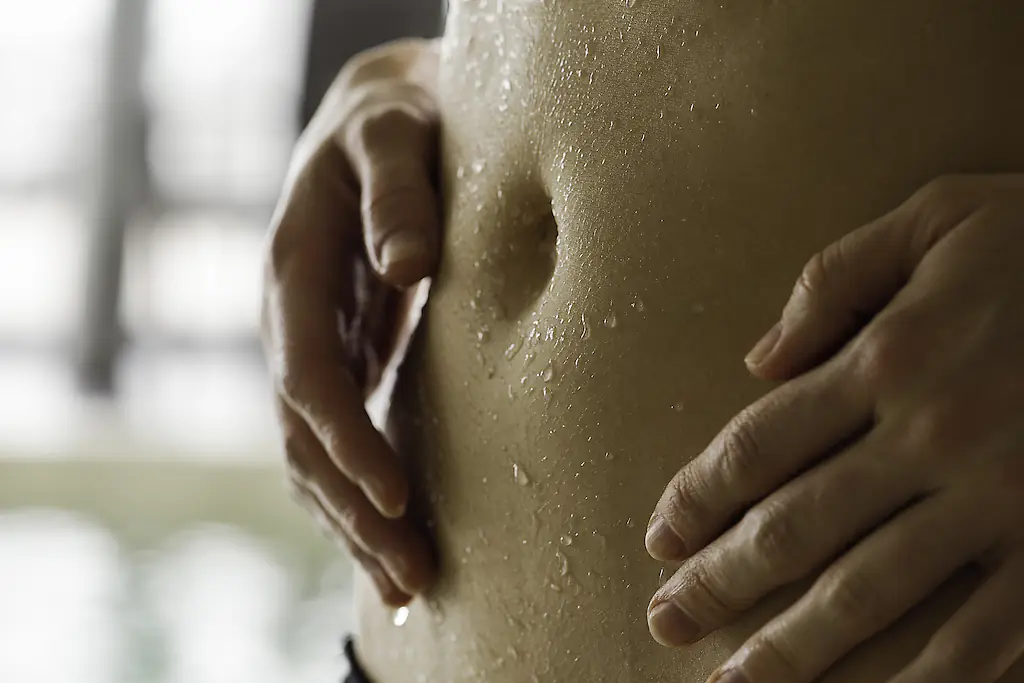
Now, I don't know who said it was just acceptable to let water drip down your body and assume that's enough to "wash" your legs, but whoever did probably deserves jail time.
Not only did they convince people that it's okay to accept water dribble as a form of washing, but also allowed them to openly admit it on the internet - and that's a crime in my eyes.
"Yes, you actually need to wash your legs," Dr. Caudle told her 90,000 followers.
"I’m not talking about letting that soap run down your legs in the shower, I’m talking about washing!"
And finally, we have the toes.
"Get in between those toes," she urges. "You want to make sure you’re preventing infections of many sorts. Make sure you’re deliberately washing your toes!"
Of course, the reaction to the video was mixed, with many wondering why the doctor would have to even tell people these things.
"What’s going on with folks not washing themselves," this user commented.
"It’s a SHAME you have to even say that," said another.
"Who DOESN’T wash these parts? I thought that we were all grown here!!", a third wrote.

Others suggested some more body parts to add to the list.
"And the back of the neck!! people neglect that area alot!!! lol."
"Don’t forget the upper backside," pointed out another.
"Behind the knees too."

Please take this advice on board and wash properly.
Published 13:39 11 Oct 2023 GMT
A dermatologist has revealed the body parts people aren't washing enough - and the results are pretty horrifying.
While most of us probably like to think we're pretty clean and take care of our personal hygiene, it turns out a lot of people are actually overlooking certain areas when they're washing themselves.
The debate over washing your legs in the shower has raged for years, but it turns out that is the least of your worries as there are far grosser areas on the body that apparently aren't always being kept as clean as they should be.
Lindsey Zubritsky, who goes by Dermguru on social media, revealed the three body parts you'll want to give some extra attention in the shower.
In the video, she explained: "I’m a dermatologist and these are the places you absolutely need to be washing more often than you are."
The first place people probably aren't washing enough is behind the ear, and a simple test can tell you if you need to give it more attention.
Lindsey suggests rubbing a finger behind the ear, adding: "If you notice an odor to it or you feel something you should be washing it more," explaining that it can be a common area to get dandruff or other oily build-up if it is neglected in the shower.
The second, and even grosser, point on the list was the belly button, which can end in some pretty revolting consequences if it is overlooked.
"This is a super common area to collect sweat, debris, dirt buildup," she warned. "In fact, if you’re not cleaning it enough, you’ll have so much debris and dirt in there that you’ll develop a navel stone that looks like this."
Yes, not cleaning your belly button can create a navel stone known as an omphalolith, which looks as disgusting as it sounds.
Finally, cleaning under the nails should also not be skipped over, as they can harbor some serious germs.
She explained: "You're definitely not cleaning your fingernails enough. When you’re showering, you really need to get under those nails with a scrub brush to get rid of the dirt, debris, and buildup."
Lindsey added that the three areas are common places to harbor MRSA (Methicillin-resistant Staphylococcus aureus), a bacteria that is resistant to many antibiotics.
“If you keep getting bacterial infections on the skin or folliculitis, you could be a colonizer of MRSA in those areas," she warned.
She added in the caption of her post: "There is a right and wrong way to wash your body… and certain areas are more susceptible to getting 'dirty' than others.
"Ears, belly buttons, and under the nails are common places that people can harbor a bacterial infection like MRSA. Be sure you’re washing these areas every day when showering.
"If you continue to get staph infections of the skin, be sure to see a dermatologist. We might recommend treatments like bleach baths, a decolonization regimen, or Hibiclens wash."
Understandably, her followers were pretty horrified, commenting: "Lord have mercy thought you were gonna say something like legs or back- why wouldn’t these areas get cleaned every day", and: "The dirty belly button!! An area we all forget too often."
Others added: "I was NOT ready for these images", and: "Neeveeeer seen any of those in life thank God. Maybe cause I’m Brazilian and we tend to take 1847194 showers a day?! I assume it is."
One wrote: "people barely even wash their hands," while others were in disbelief, adding: "I lost it at that belly button stone thing wtf", and: "What??? No way this happens to people!!!"
Published 12:23 28 Jul 2025 GMT
A doctor has issued a reminder about a frequently overlooked area of personal hygiene that, if ignored, can lead to months of buildup and potentially complicated medical procedures.
While brushing teeth, washing hair, and showering daily are all standard parts of personal care, many people overlook cleaning their belly button properly, according to Dr. Jen Caudle, a Board-Certified Family Physician, on-air health expert, and video creator.
Dr. Jen, who shares medical insights online, explained in a video for her YouTube channel that belly buttons are remnants of the umbilical cord, which is clipped at birth.
"Now, look, this is the thing," Dr. Jen says, "that belly button needs to be cleaned because if it's not, some crazy, yucky things can happen."
Firstly, an unclean belly button can cause bacterial infections, with Dr. Jen saying that "moisture and debris can kind of set" within the folds of "innie" belly buttons. This can cause serious bacterial infections which could require antibiotics to get rid of. A telltale sign you have a bacterial infection is a foul-smelling belly button, she says.
Another issue with having an unclean belly button is that it could lead to a yeast infection, which can cause similar yet slightly different symptoms to a regular bacterial infection. "You can get some redness, some itching, some pain and also some discharge," she stated.
Finally, Dr. Jen says you can also get "belly button stones" from having an unclean belly button. "It's basically a build up of debris and skin cells and stuff that have been building up," she explained. "If you don't wash down there for a long period of time, you can get these hard nodules.
"They look like blackheads, almost. Kinda yucky – your doctor can help remove them."
Her video prompted a wave of responses from viewers, many of whom admitted they had never considered their belly button as part of their regular wash routine. One viewer commented: “Oh god, never thought about that before,” while others said they routinely scrub the area during showers. “I treat it like any other smelly place on my body,” another wrote.
Dr. Jen's advice is simple: include the navel in your daily hygiene routine to prevent build-up of sweat, dead skin cells, oils, and lint, particularly for those with "innie" belly buttons, which are more prone to trapping debris.
For “innie” (indented) belly buttons she recommends moistening a cotton swab/washcloth with warm, soapy water and gently cleaning in small circular motions. Then, using a clean, damp swab or cloth, remove any soap residue. Finally, she advises to pat the area dry with a towel to prevent moisture buildup, which can encourage bacterial or fungal growth.
For “outie” (protruding) belly buttons she suggests washing in the shower by lathering the area with mild soap using your fingers or a cloth, making sure all soap is rinsed away and the area is thoroughly dried after showering.
While it might seem like a minor detail, regular belly button cleaning can help support both everyday hygiene and make things easier for healthcare professionals should surgery ever be required.
Published 12:04 24 Feb 2023 GMT
A doctor has revealed to social media users that wiping our butts wrong after the toilet could damage our health.
There’s perhaps nothing more universal than using the bathroom as everyone has to deal with their normal bodily functions and the constant need to relieve themselves.
While cleaning yourself after doing your private business seems pretty straightforward, you might be surprised to learn that you could be doing it all wrong... according to one doctor.
A women's health expert named Dr. Teresa Irwin - who goes by the handle @dr.teresa.irwin on TikTok - shared a video informing her followers of the importance of cleaning yourself right after using the toilet.
Watch the doctor's video below:In the video, Teresa instructs viewers that they should use their bamboo or toilet paper to "wipe front to back," meaning pushing the toilet paper from the front to the back.
The doctor then demonstrates to her 91.2K followers that they could also go from behind, and pull the paper from the front towards the back.
She said that front to back is the right way because it can prevent "the tracking of bacteria from your anus to your pee-hole," and stop you from getting an infection.
The TikTok clip seemed to be very useful for many users on the social media platform who flooded the comment sections with questions for the doctor.
One user exclaimed: "WAIT THANK YOU I ALWAYS [WIPE] BACK TO FRONT."
Another said: "Great info!"
A third user asked: "Is it ok to literally pinch your entire hole instead of going either way? I feel like its easier to miss 'how back' we go?'"
A fourth user shared: "My sister wipes front and back separately like two pieces of paper one for front and one for back."
To further add to this, research by Tap Warehouse discovered that 33% of women living in the UK prefer going against Teresa's warning and wipe from back to front.
This may be acceptable for men, but for women, it could result in contracting a urinary tract infection (UTI) - which is a condition in any part of the urinary system (the kidneys, ureters, bladder, and urethra,) per Mayo Clinic.
The medical report stated that women are at greater risk of developing a UTI than men and that if it is confined to the bladder, it can be incredibly painful and irritating. Serious health problems can also arise if the infection spreads to the kidneys.
Published 09:49 27 Jul 2025 GMT
Doctors have issued a warning about a small, easy-to-miss body part that’s become a hidden hotspot for bacteria.
According to dermatologists and family physicians, the body part most people are skipping in the shower is behind the ears.
Dr. Roger Kapoor, a dermatologist and senior VP at Beloit Memorial Hospital, says it’s one of the most overlooked areas, yet one of the dirtiest.
“As often as you wash other parts of your body, I would add behind the ears to the list of parts to clean,” he advised.
Dirt, dead skin cells, and oil (sebum) naturally accumulate in skin creases, and the folds behind the ears are no exception. This buildup gets worse in the summer when people apply sunscreen or lotions and fail to wash them off properly.
"Failing to clean that area can lead to several issues, including bacterial infections, skin irritation, and a greasy odor.
“I always recommend people wash the skin behind their ears intentionally and specifically to get into the creases of where the ear meets your skin, as it can always trap grime,” Dr. Kapoor added.
Neglecting this area can also lead to all sorts of unpleasant outcomes - bacterial infections, skin irritation, and even a greasy smell.
In more serious cases, a condition known as seborrheic dermatitis, or ear eczema, can develop. This causes flaky, itchy patches in areas with high oil production, including behind the ears.
And if you're unsure whether you've cleaned there recently, Dr. Jen Caudle, a U.S.-based family physician, has a simple test: “If you do this, you rub your ear, you rub somewhere, and you smell it and it’s gross, you haven’t washed it recently."
Dr. Caudle also highlighted other hygiene blind spots in daily routines, specifically the belly button, fingernails, legs, and toes.
“Fingernails should be kept short, and the undersides should be cleaned frequently with soap and water,” she noted. “Longer fingernails can harbor more dirt and bacteria than short nails.”
As for whether shampoo gets the job done behind the ears? Not quite, says Dr. Kapoor. While hair products may help break down oil and bacteria, they rinse off too quickly to truly clean the area.
The key is direct scrubbing with gentle soap and drying the area thoroughly afterward. He also recommends cleaning the arms of eyeglasses regularly, as they can carry bacteria to that sensitive skin.
A woman has sparked a debate on social media after revealing how often her friend washes her bra.
Taking to TikTok to share the revelation, Desyr - who users the handle @desyr.reviews on the platform - let slip that her friend confessed to only washing her bras once a year.
"My friend - I'm not gonna name any names - but my friend once told the group chat that she washes her bra once a year," the TikToker says in the video, adding: "I'm now just curious, like, how often does everyone wash their bras? Like, I need to know what the kind of standard is amongst women everywhere. What's the average? What's the most common bra-washing duration? Because apparently, we are not all the same."
Check out the video below:Now, I personally don't own any bras - but even I raised an eyebrow when I heard this, and the comments section certainly reflected my surprise.
As of this writing, the video has amassed more than 800 comments from TikTok users after the video received over 190,000 views. And - perhaps as expected - opinions differed greatly.
There were many people who believed a bra should be washed after every use.
Other TikTokers were a little more lenient with their laundry habits, with some people washing their bras after a few days, and others waiting several weeks to wash their bras:
Other social media users agreed that it all depending on the weather, and that bras require more washes on those particularly hotter and sweatier days:
So there you have it - although it sounds like something we'd all agree on, it turns out bras come with their own rules for each person.
In other news, a woman has recently revealed that she never washes her sheets or her mattress despite them being 100 years old.
Now, the average person spends approximately 56 hours a week in bed, so keeping your place of rest clean is essential to avoid a build-up of bacteria and dust mites.
According to the Good Housekeeping Institute, you should be changing your sheets at least once every two weeks and if you suffer from night sweats or allergies, it's best to up it to once a week just to avoid any harmful triggers.
While a lot of us can't even bear the thought of sleeping in a dirty bed, one woman has recently admitted that she has never washed her sheets or changed her mattress for a new one despite it being around for a century.
Meet Cornelia Bayley, a British woman who lives in a 17th-century manor in Flintshire, north Wales.
Bayley initially bought the 10-bedroom house called Plas Teg back in 1985 and spent a big portion of her life keeping it standing. The 82-year-old has spent thousands and thousands of dollars on upkeep, though her bedding has never really gotten that type of attention.
As per the Daily Mail, Bayley admitted to only cleaning the house once or twice since she acquired it, saying: "200 years ago, there would be 20 or 30 people looking after the house. Now there is just me and the cat."
While appearing on Channel 4's Obsessive Compulsive Cleaners, she revealed that she had never felt the need to wash her bedding or change the mattress, which was 100 years old.
The hosts of the show examined her manor, clearly horrified at the dirt and grime that had piled up over the years.
When asked when the bedding had last been washed, Bayley replied: "Never."
The hosts followed up by asking about the mattress to which she replied: "It could be 100 years old, or something. You know, this is how people used to live years ago – and I still live like that."