ADVERT
Travel3 min(s) read
Published 17:34 15 Mar 2018 GMT
When traveling abroad, it's important that you respect the other country's laws and culture; otherwise, you could land yourself in a lot of trouble. This means paying close attention to the kinds of words you use, the way you dress, and - quite simply - the way you behave.
But even if you do all those things, there's still a chance you could be breaking the law. Here are 14 seemingly normal things that could get you arrested in another country.
1. Vaping
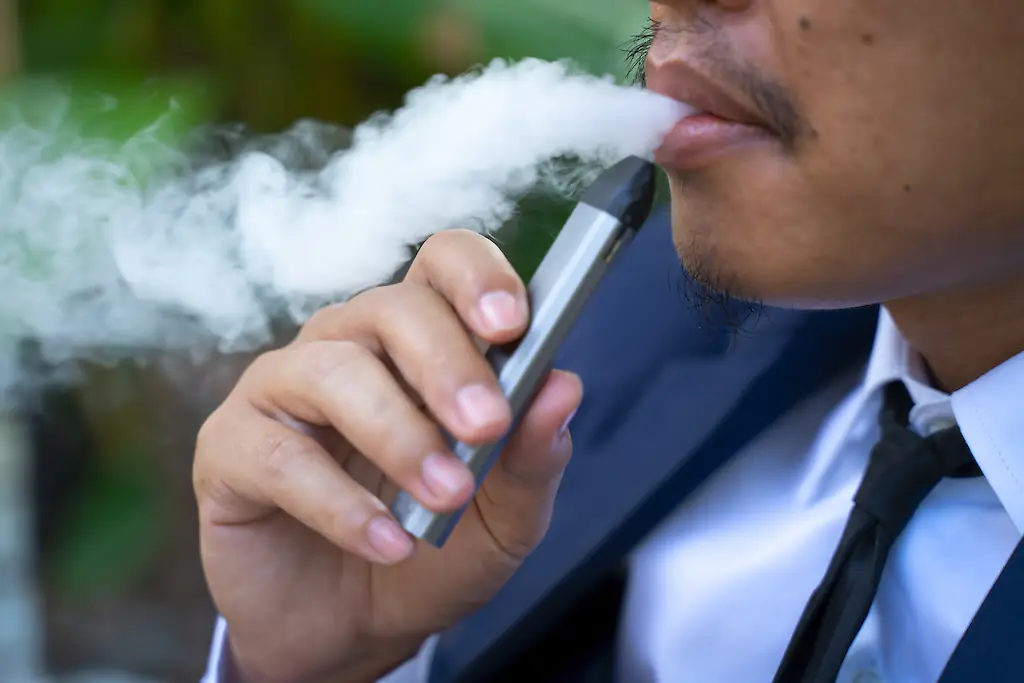
The sale or use of vapes in Thailand is prohibited, and anyone caught with one is likely to face a fine or - at worst - a maximum of 10 years in prison.
2. Drinking alcohol
Consuming alcohol is illegal in more than a dozen countries around the world, and buying alcoholic beverages after a certain time of night is also prohibited in certain locations.
3. Having sex
In the United Arab Emirates, sleeping with someone out of wedlock is a criminal offense. The country is so strict on this law that they have previously arrested rape victims for having engaged in sexual contact with somebody they are not married to.
4. Tattoos
Body modifications are regarded differently according to where you are in the world. In Sri Lanka, they're mostly accepted - unless they depict anything Buddha-related. You could actually be refused entry to the country if you're seen with one.
5. Changing a lightbulb
In Victoria, Australia, it's technically illegal to change a lightbulb unless you're a licensed electrician. Perpetrators of this offense could face a fine of 10 dollars.
6. Wearing a bikini
Traveling to Barcelona any time soon? Make sure you cover up if you're not on the beach, as wearing a bikini anywhere other than at the coast is illegal.
7. Taking painkillers
If you're in Japan, you'd better hope you don't come down with a bad headache, as painkillers containing Codeine are banned there.
8. Swearing
Despite the Aussies' reputation for swearing, there are laws against offensive language in Queensland, Victoria and New South Wales. So watch your mouth if you're going down under.
9. Singing karaoke
Sorry karaoke fans: in Honolulu, it's illegal to sing loudly after sunset.
10. Flushing the toilet
In Switzerland, it's against the law to flush the toilet after 10 pm, as the sound is considered to be noise pollution.
11. Wearing heels
While it might be a norm for many places in the world, certain places in Greece have put a ban on high heels, as the shoes can cause damage to old monuments or ruins.
12. Peeing in the ocean
Don't try to deny it: everyone's relieved themselves in the sea at some point. However, if you're considering doing it in Portugal, you might want to think twice.
13. Smoking
If you're looking to go cold turkey on your bad habit, Ukraine is the place to be. According to their laws, you're not allowed to smoke in any public areas.
14. Chewing gum
In Singapore, it's illegal to buy or sell gum, and spitting it on the streets could land you with a hefty fine. Sorry to burst your bubble, gum-lovers.
So, next time it comes to planning a holiday, make sure you're aware of all the rules before booking your flights.
health4 min(s) read
Published 12:14 23 Feb 2026 GMT
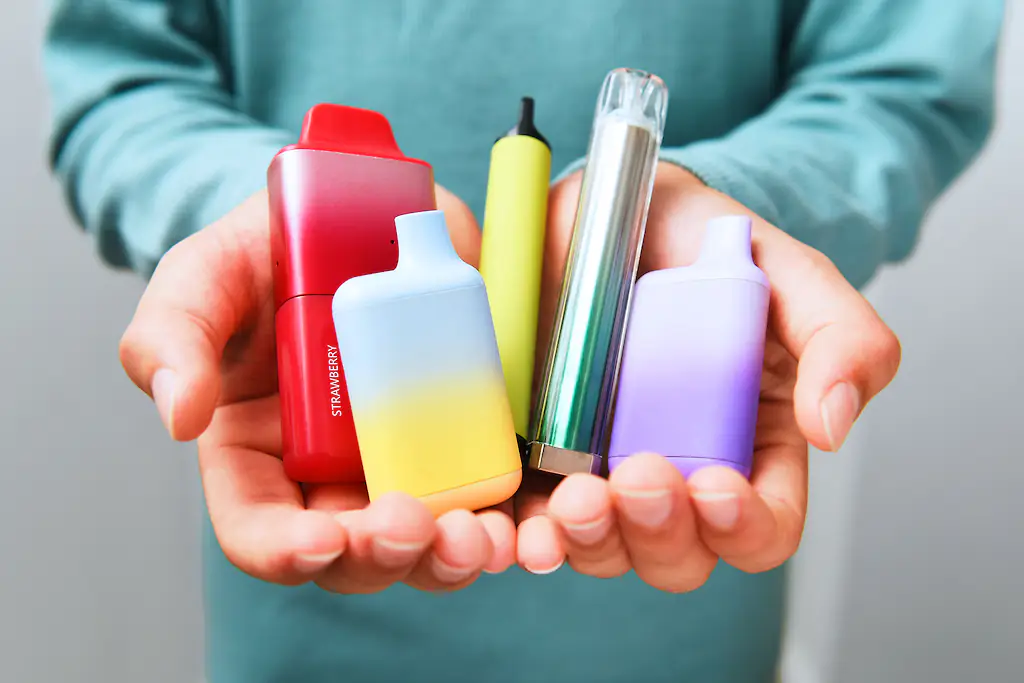
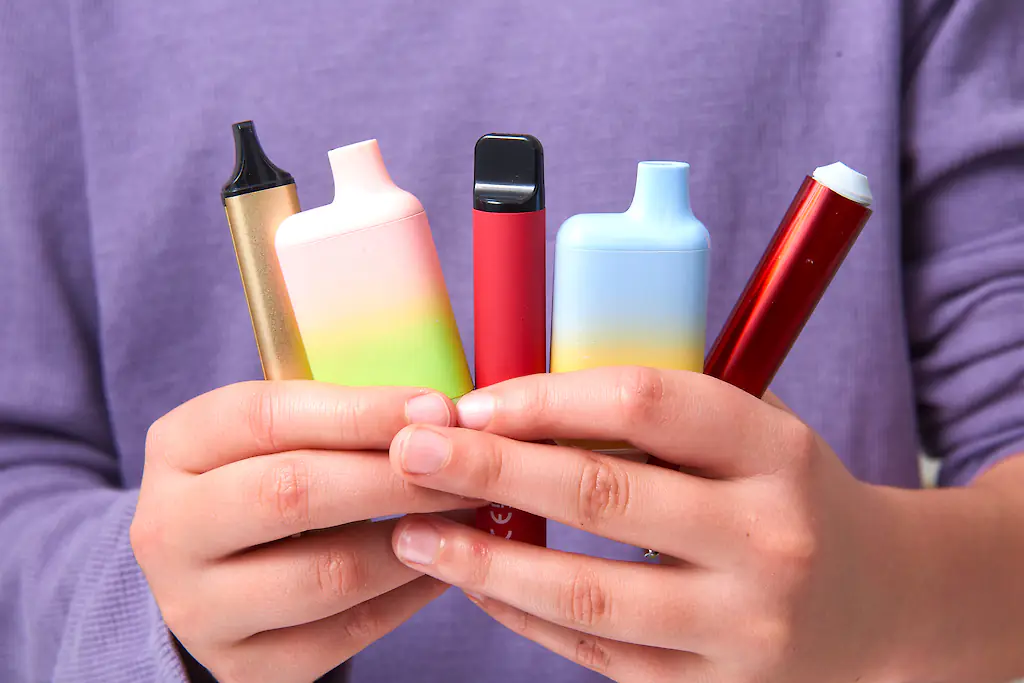
We all know smoking is bad for us. That’s hardly breaking news. But as more research continues to roll in, vaping is increasingly coming under fire too — with studies suggesting it can be extremely harmful to your health.
While many people still view vaping as a “better” alternative to traditional cigarettes, experts are raising growing concerns about what it’s actually doing to our bodies — particularly our lungs.
Some reports claim the health effects can hit your system within seconds of inhaling, and the long-term consequences have been described as “devastating.”
Much like smoking — which has been banned in workplaces across at least 28 US states and outlawed in most government buildings, hospitals, schools, and restaurants — vaping is now facing strict regulation worldwide.
And if you’re planning a trip abroad, lighting up your favorite Watermelon Ice in the sunshine might not be as simple as you think.
According to The Mirror, more holiday hotspots are introducing rules similar to smoking bans. Experts at Vape Ease UK have warned British travelers to double-check local laws before using their devices overseas.
Here’s where things get complicated.
Turkey Vaping Rules
With over 4.4 million UK tourists visiting Turkey in 2025, this is a big one for British travelers.
Vaping is only permitted in designated smoking zones. Visitors can bring just one device, spare pods or refill bottles of 30ml or less, and up to 10 disposable vapes per person. E-cigarettes and e-liquids are classified as tobacco products, meaning users must be over 19 years old.
India’s Total Ban
India introduced the Prohibition of Electronic Cigarettes Act (PECA) in 2019, effectively banning vaping.
Breaking the law can land offenders with a year in prison and a $1,300 fine. For repeat offenses, penalties escalate sharply — up to five years in prison and fines of $6,700.
Denmark’s Flavor Restrictions
In Denmark, vaping remains legal — but only if you’re over 18.
Flavored liquids have been banned since April 2021. Vaping is also prohibited in public transport, schools, and childcare facilities. Indoor venues such as bars and restaurants may set their own policies, so checking ahead is essential.
United Arab Emirates Regulations
Vaping is legal in the UAE, but only under regulations set by the Emirates Authority for Standardisation and Metrology (ESMA).
Users must be 18 or older and vape only in permitted areas. Violations can carry a minimum prison sentence of one year and fines reaching up to $270,000.
Australia’s Pharmacy-Only Sales
As of July 2024, vaping products in Australia can only be sold through pharmacies. The move targets those trying to quit smoking or manage nicotine intake.
Travelers are restricted to bringing a maximum of two vapes for personal use, along with 20 vape accessories and no more than 200ml of liquid.
Mexico’s General Ban
Mexico has implemented a general ban on vaping.
It’s prohibited in indoor spaces such as bars, restaurants, shops, and workplaces. Tourists are advised to store devices in checked luggage, carry only small amounts of e-liquid, and be prepared to explain the intended use of their vape if questioned by customs officials.
Thailand’s Extremely Strict Penalties
Thailand has some of the harshest anti-vaping laws in the world. E-cigarettes have been illegal since 2014.
Those caught can face fines of $940 and up to 10 years behind bars. Tourists are strongly advised not to bring any vaping devices or related items, and to be aware of the strict enforcement, as previous visitors have been arrested.
Hong Kong’s Tightening Restrictions
Hong Kong banned the importing, manufacturing, and sale of vapes in 2022. While usage itself is not yet illegal, that’s expected to change in the middle of 2026.
Breaking current laws can already result in fines of up to $2,700.
Japan’s Heavy Regulation
Japan treats nicotine e-liquids as medicinal products.
Travelers may bring up to 120ml into the country. However, vaping in public spaces is strictly prohibited unless you’re in a designated smoking zone. Penalties include fines and even imprisonment.
Singapore’s Zero-Tolerance Policy
Singapore enforces one of the toughest stances globally.
Importing, selling, or using e-cigarettes is illegal. If customs officials discover a vape, offenders face legal consequences and fines of up to $3,100.
uk4 min(s) read
Published 15:52 05 Sep 2025 GMT
The case of a young British student jailed in Dubai has shone a spotlight on the strict rules tourists must follow when visiting the United Arab Emirates (UAE).
Mia O’Brien, 23, from Huyton, Liverpool, is being held in central prison after what her family described as “a very stupid mistake”.
Her mother, Danielle McKenna, 46, said in a now-removed fundraiser that she is "absolutely devastated" and hasn’t seen her daughter since last October.
According to Daily Mail, McKenna wrote: “Mia is only 23 years old and has never done a bad thing in her life. This is a young girl, who went to university to do law, and unfortunately got mixed up in the wrong so-called friends and made a very stupid mistake and is now paying the price.”
She later added: “I just want to thank everyone for their donations so far, this money will be used to send to my daughter Mia, and also for any legal fees that may arise, and maybe even to go towards getting family over to Dubai to see her, as none of us have seen Mia since last October, so thank you all so much.”
Authorities have not confirmed what crime O’Brien was convicted of. In the Middle Eastern country, life sentences, usually around 15 years, can be imposed in cases involving drug trafficking, serious violence, or terrorism.
“Sentences for drug trafficking can include the death penalty. Possession of even the smallest amount of illegal drugs, including cannabis, can lead to a minimum three-month prison term or a fine of between 20,000 UAE dirham ($5,445) and 100,000 UAE dirham ($27,000+)," the UK Foreign and Commonwealth Office warned.
There are several rules and regulations tourists must abide by if they are planning on visiting Dubai.
For example, drinking alcohol in public is illegal, with the legal age set at 21. Public drunkenness, underage drinking, and drunk driving are also zero-tolerance offences.
Revealing clothing is generally frowned upon, and “indecent actions or anything that might be prejudicial to public morals” can be punished with up to three years in prison and deportation, Mohammed Talal Al Tamimi, a lawyer at Tamimi & Co, told the Khaleej Times.
The FCDO shared their own warning to British tourists and residents, writing: “Dress modestly in public areas like shopping malls.
"Women should cover shoulders and knees, and underwear should not be visible. Avoid transparent clothing or any attire that features imagery or phrases that could potentially offend others. Swimming attire should only be worn on beaches or at swimming pools. Cross-dressing is illegal.”
Other rules are that consensual sexual relationships between a man and woman outside marriage are "generally legal if both are aged 18 or over". Public displays of affection, such as kissing, can also lead to arrest.
Swearing, rude gestures (including online), and critical social media posts about the UAE government or individuals can also carry prison terms or deportation.
Even crossing the road outside of designated pedestrian crossings can lead to fines or imprisonment, and feeding stray cats can result in a fine.
Speaking about her daughter’s situation, Mia’s mother told Daily Mail that she is "going through it at the minute," adding: "She’s just been transferred to another prison after getting a life sentence. It’s been a massive shock.”
uncategorised3 min(s) read
Published 16:11 07 Oct 2017 GMT
uncategorised3 min(s) read
Published 17:17 25 Jan 2018 GMT
Maine
If you live here and your Christmas decorations are still up, get them down RIGHT NOW because it's illegal to have them still on display after January 14th.
Ohio
Here, it is against the law to get a fish drunk. So, if you were planning on getting boozy with your prize Koi this weekend, you'd better cancel.
Washington
If you come across Bigfoot, a Sasquatch or any other undiscovered species while out for a walk here, you'd better not harass it, as it's prohibited by law.
Arizona
Donkeys aren't permitted to sleep in bathtubs in this state. Washing your ass is still allowed, however.
Texas
Got a spare eyeball hanging about? You can't sell it, unfortunately. The law says so.
Virginia
A weird law here prohibits children from going trick-or-treating on Halloween.
Louisiana
It is illegal to send pizza to someone else's house without their knowledge. You can genuinely be fined up to $500 for doing so.
Arkansas
In this state, it's against the law to mispronounce "Arkansas".
Maryland
If it's a sunny day in Maryland, watch out; you could be fined $10 if you're caught in a park with a sleeveless shirt.
Utah
Vegans and lactose-intolerant folks, listen up: it's illegal for you NOT to drink milk in this state.
New York
If you're reading this after 10 pm and you're wearing slippers, then you are in violation of the law, pal.
Georgia
Here, it's against the law to have an ice cream cone in your back pocket. But only on Sundays. Between Monday and Saturday, you can get soft scoop on your pants all you want.
Colorado
Do you like drinking? And riding a horse? Well, too bad buddy, because you can't do both at once. (This law is actually quite sensible. Well done, Colorado).
Florida
For all you elephant-owners in the sunshine state, make sure you've got some change when you take it to the shops, as you'll have to pay to "park" it.
Mississippi
Here, it is illegal to use profane language while out in public.
North Dakota
Guys, no matter how tired you are, do not - I repeat, do not - fall asleep with your shoes on in this state.
So, if you happen to live in any of these states - or are planning to travel there anytime soon - make sure to keep your pockets free of ice cream, your mouth free of expletives, and your bed free of shoes.world1 min(s) read
Published 09:26 28 Apr 2020 GMT
A Swedish backpacker has dared police to fine her $1200 AUD ($780 USD) after she decided to flout the coronavirus lockdown in Australia.
Linn Clark from Sweden posted a video of herself on a beach, complaining that she couldn't catch some rays in peace because there was a chance that she might get arrested.
Watch the video below:
[[jwplayerwidget||https://content.jwplatform.com/videos/SmN51QSt-sKUnNGKf.mp4||SmN51QSt]]
"This is where we're at right now in Australia, I have to have a look around me when I'm sunbathing so there's no cops arresting me on the Gold Coast," she said.
"Arrest me, for sunbathing? That's… what the… what?"
Clark put a banner over the video which read: "Give me a fine 1200 Auddollar."
She also captioned the video with a number of hashtags relating to the coronavirus pandemic including "#fineme".
[[instagramwidget||https://www.instagram.com/p/B6unhzWHoiN/]]
However, while Clark might have been upset by the restrictions caused by the pandemic, people on TikTok were less sympathetic to her plight, and she was accused of not "taking this pandemic seriously".
"If everybody did it the beach would be packed. Inconsiderate... maybe go home if you don't take this [seriously]. We are and look at our statistics," one wrote.
A second remarked: "Yeah it's cos of the pandemic it not supposed to leave your house except for essential activities," another said.
Meanwhile, a third added: "extreme times, extreme measures."
[[instagramwidget||https://www.instagram.com/p/B_Op6khnN3u/]]
In an interview with news.com.au, Clark defended her video, saying that she simply "wanted to live my life as I usually do."
"I did not want police to fine me or arrest me, it was not anything like that," she said. "Also every time I have been to the beach it's been open still, security and police looking around just to see so that no one was more than two and two.
"I went to the beach because I wanted to live my life as I usually do here in Gold Coast, so when Surfers closed I went to Burleigh and when it opened again I went back."
This story comes as footage emerged of a woman being arrested in Spain for sunbathing during the pandemic.