


Travel3 min(s) read
Man reveals what happened when he was mauled by a shark while living in remote home thousands of miles from civilization

Living on a tiny ring of coral in the middle of the Pacific Ocean comes with extreme isolation, and a second-generation pearl farmer has shared the harrowing details of surviving a shark attack miles away from modern medical care.
Josh Humbert, whose family runs Kamoka Pearl Farm on the remote atoll of Ahe, located roughly 300 miles off the coast of Tahiti in the Tuamotu archipelago, recounted the life-threatening ordeal during a documentary filmed on the island.
The farm, founded by Humbert's father in 1991 and now involving third-generation farmer Tavi, sits on the skeletal remains of a million-year-old sunken volcano.
Surrounded by thousands of miles of open water and lacking hospitals, grocery stores, or even natural soil, the community relies entirely on self-sufficiency and the surrounding marine ecosystem to survive.
While the remote lifestyle offers fresh air, clean food, and an escape from the stress of modern towns, Humbert explained that living so far from civilization carries serious risks when emergencies strike.
Just over a year before the documentary was filmed, those consequences became dangerously real during a routine spearfishing trip.
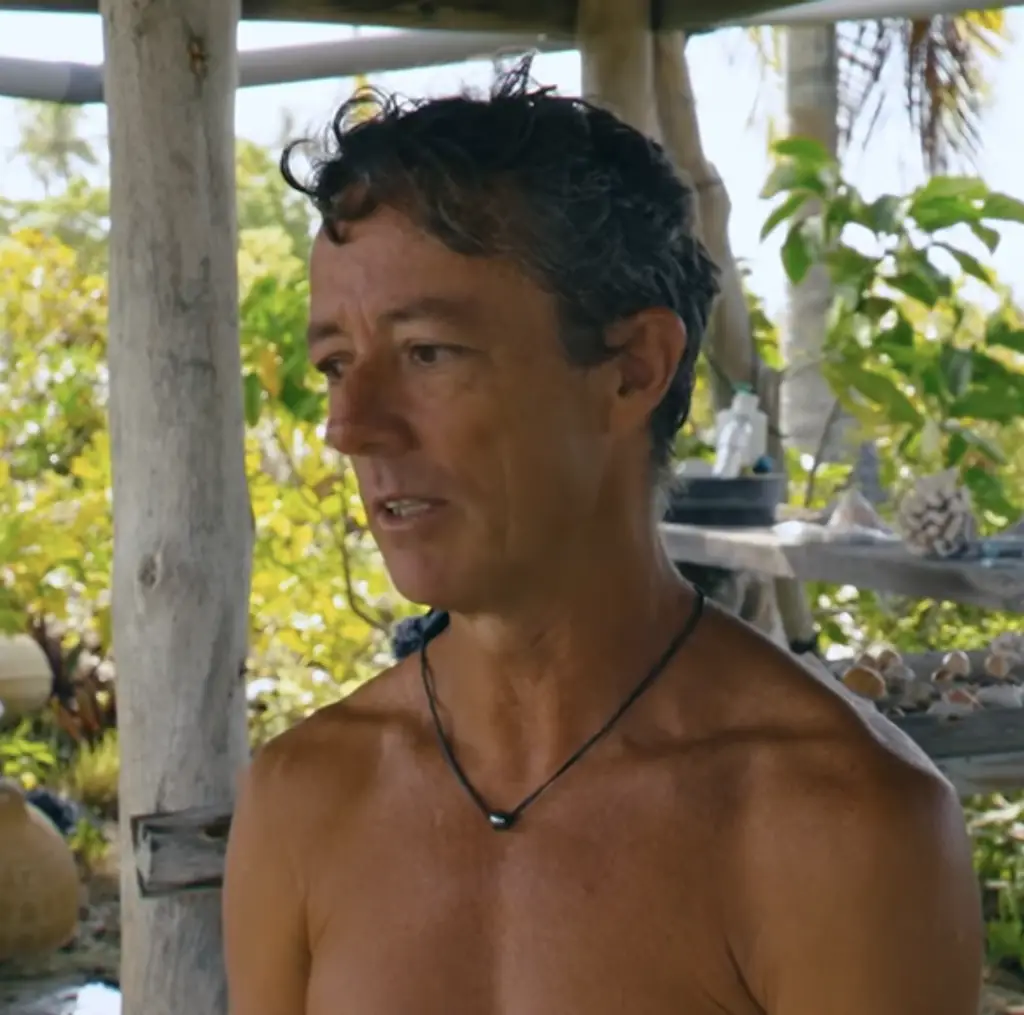
Surviving the attack and a 24-hour wait for surgery
Humbert was surfacing from a dive while spearfishing when a shark came straight up and bit his leg.
"We were spearfishing and I came up from a dive and the shark came straight up on me and grabbed my leg," Humbert recalled.
The bite caused massive blood loss, and with blood everywhere and no way to immediately tell if an artery had been severed, Humbert and his companions applied a tourniquet right away.
"It put me in such a degree of pain that I kept wanting to black out, and I was hyperventilating," Humbert said, explaining that he had to actively focus on his breathing to lower his heart rate.
Getting off the isolated atoll required a multi-stage rescue operation. Humbert first had to take a half-hour boat ride to the nearest village before a plane could be dispatched from Tahiti to evacuate him.
Even after arriving in Tahiti, the ordeal was far from over, as no operating room was available for another 24 hours. Doctors were not able to perform the necessary surgery until 10:00PM the following evening.

Life and sustainable farming on a coral atoll
Despite the danger of being hours away from emergency medical care, the residents of Kamoka Pearl Farm embrace their tight-knit, off-grid existence.
Living on the atoll is similar to being on a massive sailboat where neighbors cannot simply walk away from interpersonal conflicts. When disagreements flare up, residents are forced to work through their frustrations until tensions subside, creating a close community bond.
Daily life revolves around self-reliance and working alongside nature rather than against it. The community grows its own produce, harvests honey from on-site beehives, drinks fresh coconuts from the jungle, and catches fish for dinner.
Even basic tasks require manual effort, such as using buckets of water to flush toilets and take freshwater showers.
Working with the ocean to cultivate pearls
The family's commitment to the marine environment is central to their pearl business, which takes years of patience to yield results. Farmers graft mantle tissue from a donor oyster alongside a nucleus into virgin oysters, then return them to the lagoon for about a year before harvesting, with some oysters cared for over four years.
Rather than blasting oysters clean with high-pressure water hoses, which dumps waste back into the lagoon, Kamoka Pearl Farm relies on local reef fish to naturally clean the shells.
This slower, regenerative approach strengthens local fish populations, maintains ecological balance, and cuts labor costs by 50 percent, proving that protecting their isolated ocean home benefits both the environment and their livelihood.