Uncategorised2 min(s) read
health2 min(s) read
If you read certain newspapers - which I will not name - you could be fooled into believing that pretty much everything gives you cancer. Somewhere online, there is a list of things that the news claim will give you cancer.
Whether it be dogs or grass, bacon or exercise, there are a wide variety of things that these places claim could lead to you getting the life-threatening disease and, if you followed everything they said, you would more than likely die for malnutrition and lack of sunlight.
However, of course, there are certain things that you should avoid in order to reduce your chances of getting various types of cancer. Tobacco, direct sunlight and alcohol are all things to avoid, but have you ever considered changing dinner time in order to protect yourself from cancer? Probably not. But, according to new research, you definitely should.
A new study that was published in the International Journal of Cancer found some interesting links between the time you eat your dinner in the evening and your overall risk of developing certain types of cancer, including breast and prostate - two of the largest killers of both men and women.
“Modern life involves mistimed sleeping and eating patterns that in experimental studies are associated with adverse health effects,” the researchers explain. “We assessed whether timing of meals is associated with breast and prostate cancer risk taking into account lifestyle and chronotype, a characteristic correlating with preference for morning or evening activity.”
The research predominantly looked at how long before bedtime a person eats their last meal of the day. They found that individuals who ate before 9 pm or at least a few hours before bed dramatically lowered their risk of developing cancer later in life. When compared to those who eat their dinner after 10 pm, it was discovered that the early eaters enjoy a 20 percent drop in cancer risk.
The research was conducted across thousands of individuals and they tracked their daily nighttime and eating habits to determine whether they had an influence on their likelihood of developing cancer in the long term. The conclusion was that early dinners seem to be a very beneficial thing if you’re hoping to avoid some of the more common types of cancer, but the scientists still don’t know exactly why this is the case.
At the moment, they are stating that circadian rhythm, which refers to the patterns of daily activity and sleep that humans have established over hundreds of thousands of years, is playing a role, though they can’t say exactly how.
So, if you're a late eater, it may be time to change those habits. However, like all things of this nature, it's important to take this research with a pinch of salt. As stated previously, there's a ton of different things that get linked to cancer and eating a late dinner is just the latest one.
health2 min(s) read
There are few things in the world more delicious and satisfying to consume than bacon and booze. There's nothing better that necking back a few pints of cold lager at the end of a long day, and then waking up the next morning and tucking into a yummy bacon roll.
Seriously, if I had to give up either of those things I'd end up feeling very down indeed. However, maybe I should because, if new scientific evidence is to be believed, those tasty rashers and six packs that I've knocked back over the years have actually been almost as bad for me as smoking a pack of cigarettes a day.
The study in question comes courtesy of the World Cancer Research Fund (WCRF) which claims that eating foods like bacon and drinking too much alcohol could increase the risk of cancer by up to an alarming 40 per cent.
An analysis of around 51 million people globally found a correlation between an adult cancer diagnosis and obesity. A total of 12 cancers, including those affecting the liver, ovaries, prostate, stomach, mouth, throat, bowel, breast, gallbladder, kidney, oesophagus, pancreas and womb were linked to high fat intake, as a result of alcoholic beverages and carcinogenic meats such as bacon and cured pork products.
The research has also cautioned that the public should avoid high-starch fast foods, as well as high-sugar, carbonated beverages, and stick to drinking mostly water.
The report's abstract states:
"Avoiding tobacco in any form, together with appropriate diet, nutrition and physical activity, and maintaining a healthy weight, have the potential over time to reduce much of the global burden of cancer. However, with current trends towards decreased physical activity and increased body fatness, the global burden of cancer can be expected to continue to rise until these issues are addressed, especially given projections of an ageing global population. If current trends continue, overweight and obesity are likely to overtake smoking as the number one risk factor for cancer."
Commenting on her findings, Dr Giota Mitrou, WCRF's director of research funding and external relations, stated: "[There is]very strong evidence for a package of lifestyle behaviours as a blueprint for cancer prevention. Our research shows it's unlikely that specific foods or nutrients are important single factors in causing or protecting against cancer. Rather, different patterns of diet and physical activity throughout life combine to make you more or less susceptible to cancer."
Furthermore, the study predicts that new cancer diagnoses are predicted to rise by 58 per cent, to approximately 24 million globally by 2035, which means that we desperately need to find ways of reducing the risks associated with cancer, or find a cure altogether. If you'd like to be a part of that solution, then you might consider making a donation to Cancer Research UK. Your money could make a huge difference.
health2 min(s) read
Drinking tea at least three times a week could reduce your risk of dying from cardiovascular disease and is linked with a longer and healthier life, a new study reveals.
Researchers in China found that these health benefits were associated with drinking green tea specifically, as opposed to black tea. It also applies to those who have been drinking the beverage regularly over a long period of time.
At the center of the study were 100,902 people with no history of heart attack, stroke or cancer. The participants were split into two groups: habitual drinkers who drank tea three or more times a week, and those who either never drank tea or rarely drank it.
This woman has been drinking her own urine and rubbing it on her face for over 10 years and claims it improves her skin and overall health:
[[jwplayerwidget||https://content.jwplatform.com/videos/BZvZLlve-Q0L14jDU.mp4||BZvZLlve]]
Over a period of seven years, it was discovered that regular tea drinkers had a 20% lower risk of developing heart disease and stroke, and a 22% lower risk of dying from heart disease and stroke. They also found that regular tea drinkers could potentially live 1.26 years longer at age 50 than those who did not regularly drink tea.
"We found that the protective effects of habitual tea consumption were very pronounced and robust across different outcomes for men, but only modest for women," Dr. Dongfeng Gu from China's National Center for Cardiovascular Disease, Peking Union Medical College and the Chinese Academy of Medical Science said per CNN.
He continues: "One reason might be that the proportion of habitual tea consumers among men was approximately two and a half [times] as high as that among women," Gu said. Some 48% of the men in the study were regular tea drinkers, compared with 20% of women.
However, it must be noted that this is an observational study and can only establish an association, not cause and effect.
"It is not clear from the study whether there is any benefit from higher tea intake – and therefore there is no likely benefit from increasing tea intake by the majority of the British public," said Gunter Kuhnle, professor of nutrition and food science at the University of Reading, per Metro.
health4 min(s) read
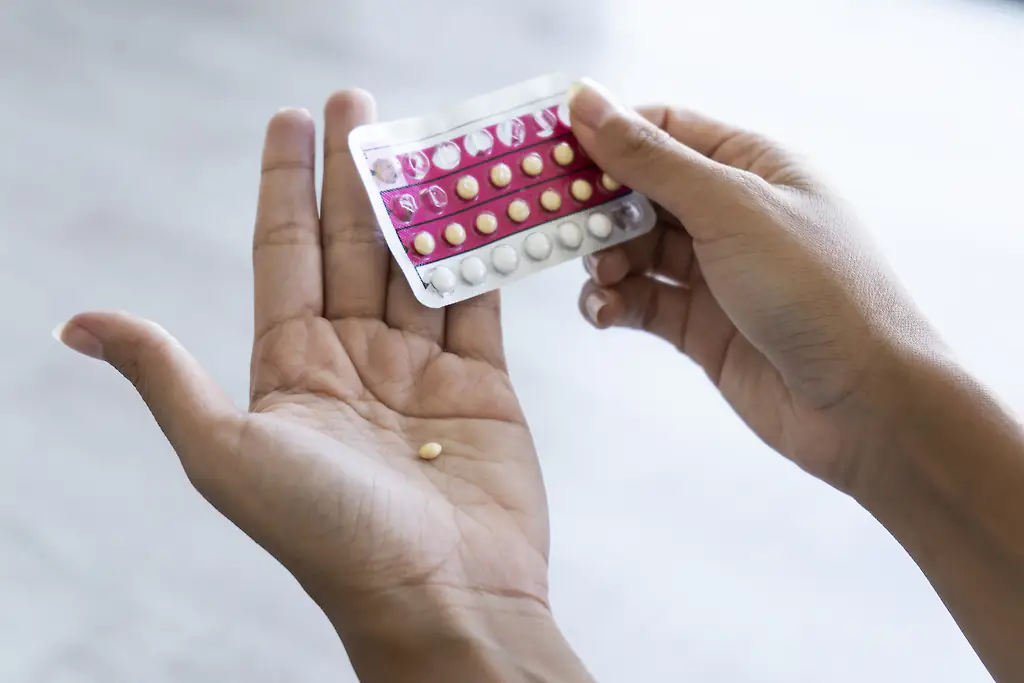
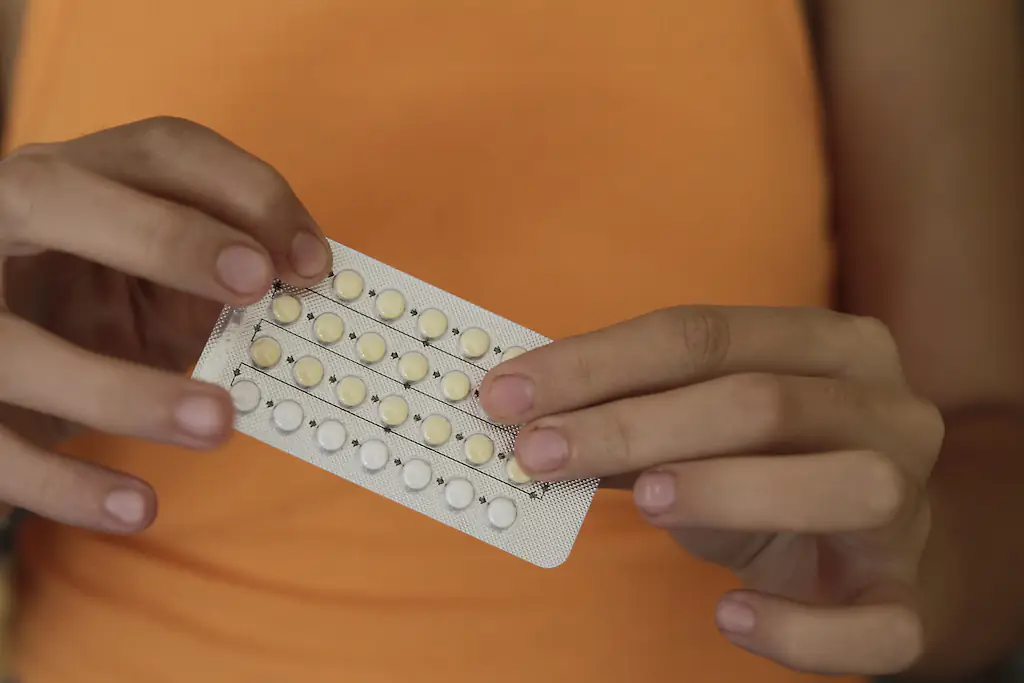
A new study has suggested that a widely used contraceptive pill could be linked to an increased risk of brain tumors.
The mini-pill, taken daily and often seen as a safer alternative to the combined pill, may increase the risk of developing a meningioma — a non-cancerous but potentially dangerous tumour that can press on the brain.
The pill in question contains a hormone called progesterone, and in particular, the type known as desogestrel has caught scientists’ attention, as reported by the Daily Mail.
While desogestrel is frequently prescribed for those who can't take oestrogen-based contraception, it’s now under scrutiny after researchers noticed a concerning pattern.
A team of French scientists analyzed medical records from over 8,000 women who had undergone surgery for meningioma — and many of them had been taking the desogestrel mini-pill for five years or more.
But before panic sets in, experts want women to know: the overall risk is still very low.
"The magnitude of increase in the risk [of meningioma] is small," said Dr Mangesh Thorat, an expert in population health at Queen Mary University of London.
He reassured patients that: "Short-term use [of the mini-pill] is not associated with increased risk and that the excess risk ceases to exist once the use is stopped for more than a year."
In fact, researchers writing in the British Medical Journal estimated that only one in every 67,000 women on desogestrel would develop a meningioma serious enough to need surgery.
And, crucially, the elevated risk was only found in those using it for five years or more — and disappeared entirely within a year of stopping.
So What Exactly Is a Meningioma?
It’s a tumour that forms in the lining of the brain. Over 90% are benign, meaning they won’t spread to other parts of the body.
But they’re still no joke — they can grow and press against brain tissue, leading to symptoms like headaches, vision issues, seizures, memory loss, and persistent nausea.
Surgery is often needed when they begin to cause increased pressure inside the skull.
“Common symptoms of a meningioma include a persistent headache as well as constant nausea which is often accompanied with drowsiness.”
The findings come hot on the heels of another scare.
Just weeks ago, hundreds of women in the UK began considering legal action after a separate study found that a contraceptive injection with similar hormones raised the same red flags.
Women who received the jab for over a year were found to be five times more likely to develop a meningioma.
With the mini-pill now under the microscope, health experts are calling for more research.
Dr Jyoti Thorat from the Institute of Cancer Research in London noted that the study only looked at one version of the mini-pill — desogestrel — and warned: “The findings could not be applied to all versions of the drug, particularly those not commonly prescribed in France.”
He called for further studies in other countries to better understand the global implications.
In the UK, around 6% of women aged 16 to 49 use the mini-pill. It works by thickening cervical mucus and thinning the womb lining, making it harder for sperm to reach an egg. In some women, it also prevents ovulation.
When taken perfectly, it’s more than 99% effective. But with everyday life (missed doses, illness), about 1 in 10 women could still become pregnant.
Side effects can include nausea, mood swings, breast tenderness, headaches, and in some cases, women report weight gain — although the NHS says there’s no hard evidence the pill actually causes that.
And there's more. A recent study also linked the mini-pill to a higher asthma risk: “Women with asthma who take the mini-pill may be a third more likely to suffer an attack,” according to research published just last month.
health2 min(s) read
Every day when I get into work, I speak at length with my colleagues about how if I don't have my morning coffee I will be very tempted to bite somebody. They think I'm kidding, but I'm not. Although energy drinks aren't good for you and caffeine pills come with their own litany of issues, I would say the smell of coffee is enough to get me going in the morning, but I'd really need the taste too.
I'm sure I'm not the only one with a coffee addiction here, and although there are some people who think tea is a better option for staying hydrated, a study suggests that soon enough, we'll outlive all those coffee haters. Feel free to pour yourself a cup of coffee as we go through what this study means for you.
The results of this study, published in the journal JAMA Internal Medicine, took a look at around 500,000 people in the United Kingdom, with roughly 75 percent of them being coffee drinkers (387,494). There, they found that the coffee drinkers who drank between two and five cups of coffee a day were around 12 percent less likely to die over a 10-year period than their non-coffee-drinking counterparts.
People who had six or seven were 16 percent less likely to die, but at eight cups or more, that went down to 14 percent. It didn't matter if it was regular, decaf or instant, either - regardless of the type of coffee, the effects were seen across the board (though they were slightly less pronounced with the instant stuff).
The results didn't even change if the subjects metabolised coffee more slowly:
"Coffee drinking was inversely associated with mortality, including among those drinking 8 or more cups per day and those with genetic polymorphisms indicating slower or faster caffeine metabolism. These findings suggest the importance of noncaffeine constituents in the coffee-mortality association and provide further reassurance that coffee drinking can be a part of a healthy diet."
Of course, these results don't necessarily show that coffee's the cause of this increased resilience to death; it only shows that people who drank coffee in that 10-year period tended to live longer on average. But other research has suggested that coffee drinkers are also less likely to develop Type 2 diabetes, depression, Alzheimer's, dementia, liver cirrhosis, and heart disease, as well as several forms of cancer.
One study which looked at around 50,000 women showed that drinking at least one cup of coffee a week was associated with around a 15 percent reduced risk for depression, while two to three cups saw a 20 percent reduced risk. As caffeine is a stimulant, however, the same can't be said for anxiety.
So there you have it, folks. Drinking coffee isn't a way of life for everybody, that's for sure, but for those of you who enjoy a nice cuppa or five a day, you can feel a little bit more secure in knowing that your morning cup is capable of giving you life in more ways than one.