


Entertainment News3 min(s) read
Artist implemented one rule after letting spectators do whatever they wanted to her for 6 hours - she was 'ready to die'

World-revered performance artist Marina Abramović became famous for pushing boundaries to the extreme, frequently risking her own life to create art that forces audiences to confront uncomfortable yet pertinent truths about human nature.
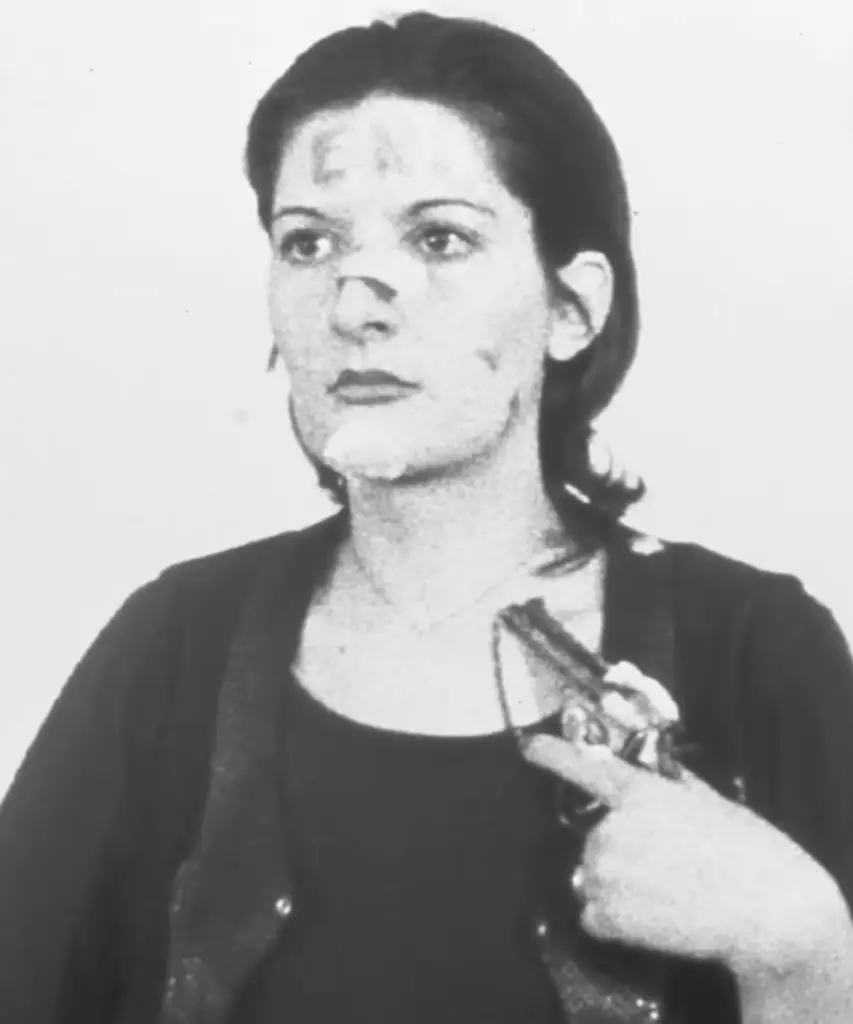
This was most strikingly demonstrated in her infamous 1974 piece Rhythm 0. For the showing, Abramović placed 72 objects in a gallery and allowed members of the public to use them on her however they wished for six hours, putting the limits of control between artist and audience to the ultimate test.
Marina's social experiment and descent into depravity from audience
At first, visitors were hesitant and reluctant to abuse the free rein that she had entrusted them with. But once it became clear she wouldn’t react, the situation escalated. People began using harsher objects, including a whip and rose thorns, while a gun and a bullet were also left within reach.
Speaking later to Louis Theroux on his podcast, Abramović, who said she was “ready to die” for her work, reflected on the experience and the lesson it taught her. “You never know if they're going to kill you or not,” she said, noting that she had deliberately included items that could be either pleasurable or harmful.
She also admitted her frustration at the time, saying: “I was so angry [about] how they treat performance art.”
Just 23 years old during the piece, she stood completely still in the center of the gallery as the crowd’s behavior became increasingly aggressive, compromising her own safety. “The public went crazy, but this was not me, I did not do anything. This was them to me, and I knew the public can kill you.”

By the end of the six hours, the situation had turned deeply disturbing. Abramović had been stripped naked and physically assaulted, with the moment reaching a terrifying peak when someone picked up the gun, loaded it, and pointed it at her head.
Recalling the ordeal, she described it as: “six hours of real horror.”
“They would cut my clothes. They will cut me with a knife, close to my neck, and drink my blood, and then put the plaster over the wound.”
She added: “They will carry me around, half-naked, put me on the table, and stuck the knife between my legs into the wood.”
Explaining her intention, she told Theroux: “I wanted to show that the public can f*ing kill you,” adding that she “didn't care” about other interpretations, as her work often explores things that disturb her or provoke shame in others.
Marina's experiment shaped her later work
The experience became a turning point, teaching Abramović a crucial lesson about the dangers of unrestricted audience participation, something that would shape her later work.
Three decades later, she created another globally recognized performance, The Artist is Present, this time with strict boundaries in place. Held at the Museum of Modern Art, Abramović sat silently for up to eight hours a day, inviting members of the public to sit opposite her, but without any physical contact or conversation.
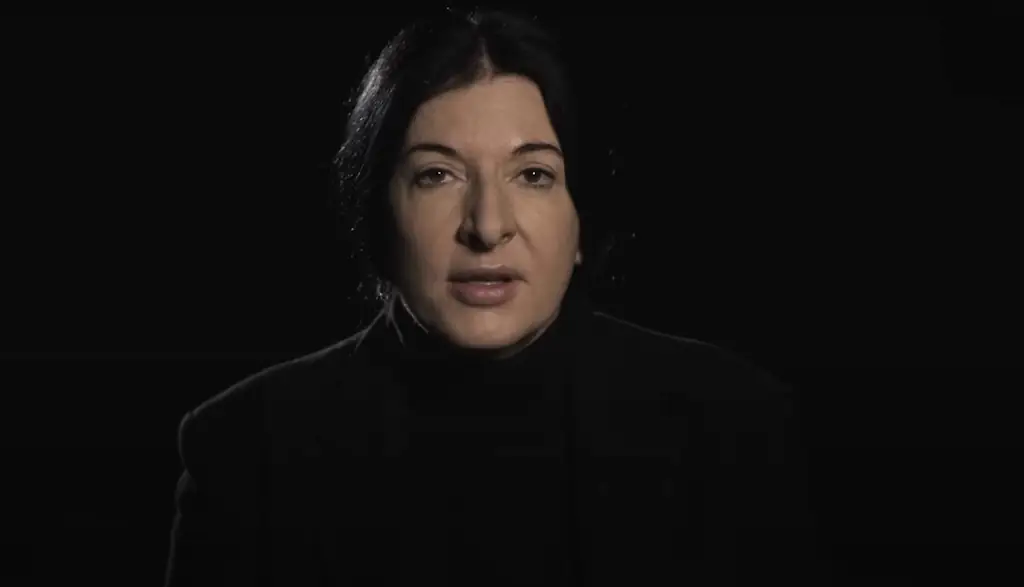
Reflecting on the change, she said: “I restricted the public to nothing, public can't touch me, can't talk to me, they can't move… they can sit… and are involved in the gaze… and that changed everything.”
Despite the simplicity, the piece had a profound emotional impact. Many participants were moved to tears, including Abramović herself, and the performance drew huge crowds, with queues stretching for months as people waited for the chance to sit across from her.