


UK3 min(s) read
Key item that ‘revealed’ identity of Jack the Ripper 137 years later

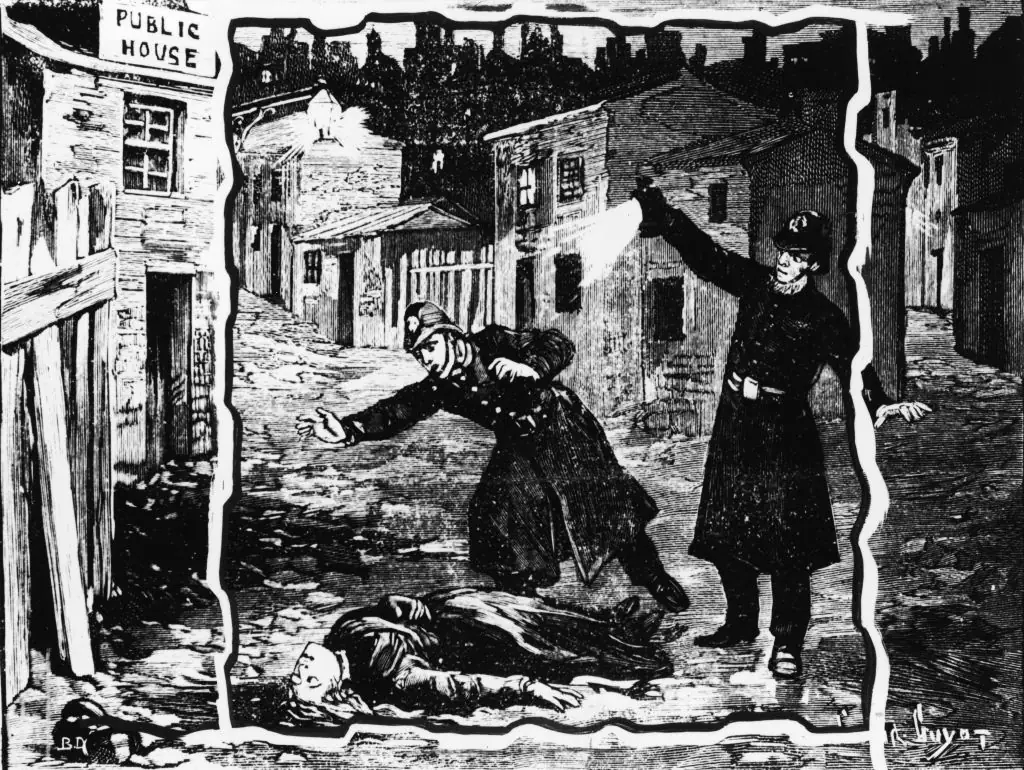
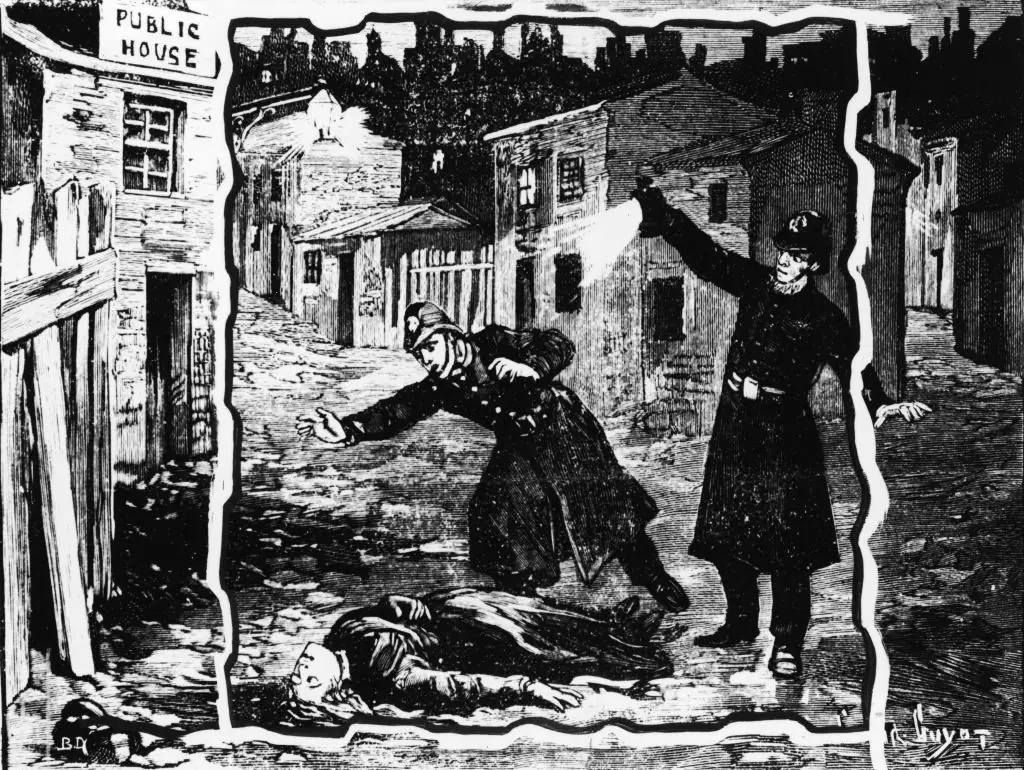
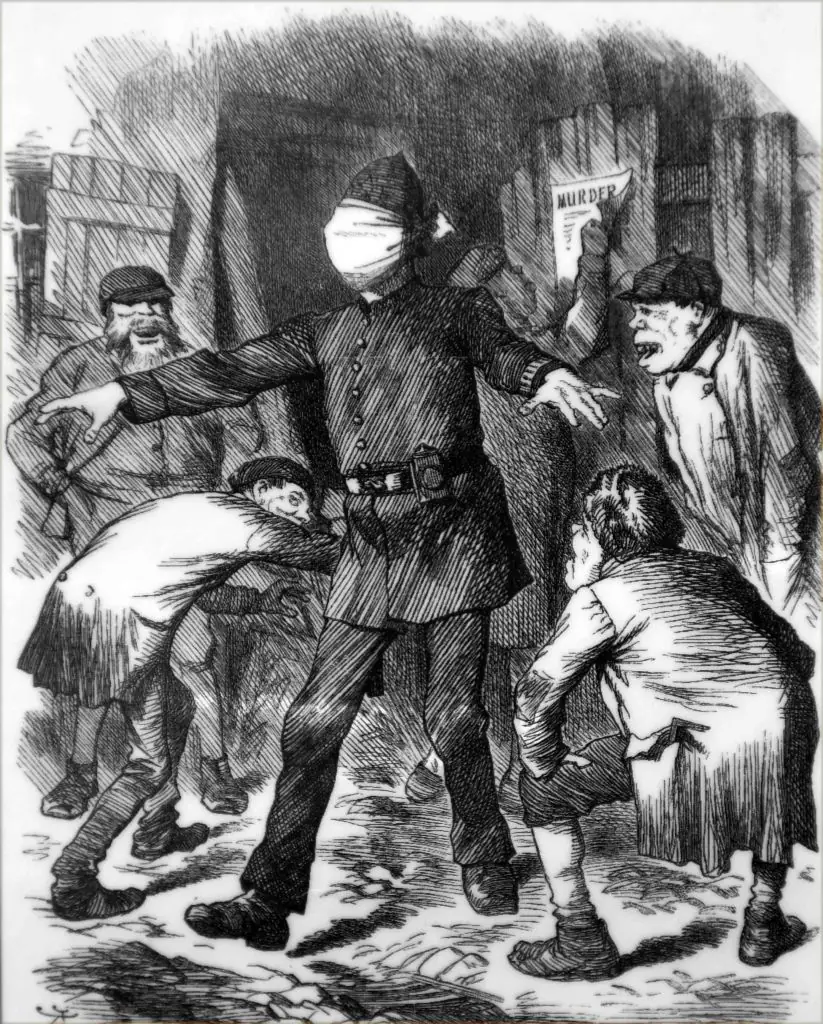
The mystery surrounding the identity of Jack the Ripper may have finally been solved, according to a researcher who believes DNA evidence has identified the notorious Victorian-era serial killer more than a century after the murders.
Historian and self-described "Ripperologist" Russell Edwards has spent years investigating the infamous case of the unidentified murderer who terrorized London's Whitechapel district in 1888.
Jack the Ripper is believed to have killed at least five women between August 31 and November 9 of that year.
The victims were Mary Ann Nichols, 43, Annie Chapman, 47, Elizabeth Stride, 44, Catherine Eddowes, 46, and Mary Jane Kelly, 25. Most of the women were sex workers, while three of the victims were found with internal organs removed.
What does the expert claim?
Now, Edwards claims the mystery has been solved after what he describes as a "100 per cent DNA match" was discovered on a piece of evidence linked to the case.
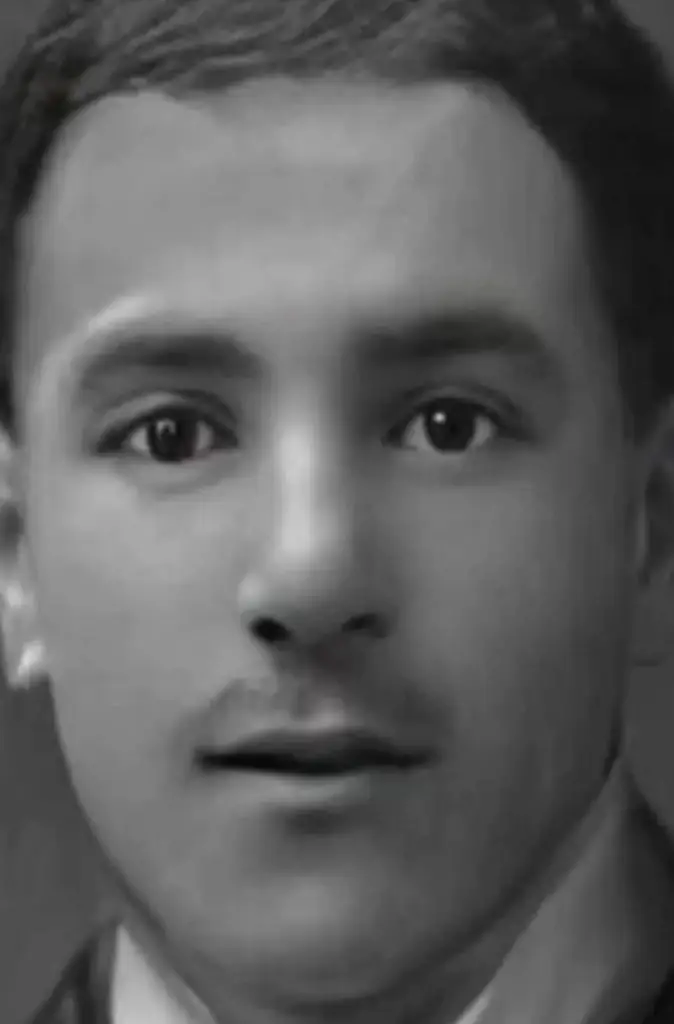
According to Edwards, the DNA testing identified Aaron Kosminski, a Polish-born barber who emigrated to London, as the man responsible for the killings.
Kosminski was already considered a suspect by investigators during the original murder inquiry, but no definitive evidence was ever produced.
Edwards said he located a living relative of Kosminski and arranged DNA testing, which he believes conclusively connects the suspect to evidence recovered from the crime scene.
Reflecting on his investigation, Edwards described the experience as "a voyage of discovery, with many twists and turns."
He added: "The adventure was thrilling from beginning to end and I was lucky to experience it."
The researcher is now calling for an official legal ruling to formally identify the killer.
"We have got the proof, now we need this inquest to legally name the killer," Edwards said. "It would mean a lot to me, to my family, to a lot of people to finally have this crime solved."
Despite Edwards' confidence, several experts have questioned whether the evidence is strong enough to definitively close the case.
Criticism over DNA analysis
One major criticism centres on the shawl used in the DNA analysis. Skeptics argue there is no conclusive proof that the item was ever present at a Jack the Ripper crime scene.
Questions have also been raised about the DNA findings themselves, as the genetic sequences used in the study have not been publicly released. According to reports, the data was withheld due to concerns relating to "UK law."
Walther Parson, a forensic scientist at the Institute of Legal Medicine at Innsbruck Medical University in Austria, has argued that the DNA data should be published so other experts can independently assess the findings.
"Otherwise the reader cannot judge the result," Parson said.
He also expressed concern about the lack of transparency surrounding the research, adding: "I wonder where science and research are going when we start to avoid showing results but instead present colored boxes."
As debate continues, the question of whether Aaron Kosminski was truly Jack the Ripper remains disputed, despite Edwards' belief that the century-old mystery has finally been solved.
.webp_vBqgAR?tr=cr-242.0.1293.1051,f-webp,q-70,w-100)
.jpg_5NRGLL?tr=cr-0.0.681.1024,f-webp,q-70,w-1024)
.jpg_I4Ebof?tr=cr-0.338.2730.3068,f-webp,q-70,w-100)

.webp_QQJmGo?tr=cr-345.0.1535.1190,f-webp,q-70,w-100)
.jpg_5NRGLL?tr=cr-0.0.1.1.5,f-webp,q-70,w-1024)

.jpg_5NRGLL?tr=cr-0.636.681.1019,f-webp,q-70,w-525,h-200)
.webp_vBqgAR?tr=cr-242.0.1293.1051,f-webp,q-70,w-1024)

.jpg_I4Ebof?tr=cr-0.338.2730.3068,f-webp,q-70,w-1024)

.webp_QQJmGo?tr=cr-345.0.1535.1190,f-webp,q-70,w-1024)

