


UK2 min(s) read
Student's viral response after being asked 'what will you do' after UK social media ban for under-16s

A British secondary school student has gone viral after telling a reporter that when the new social media ban for under-16s goes into effect next spring, she will simply “stare at a wall” instead of using her phone.
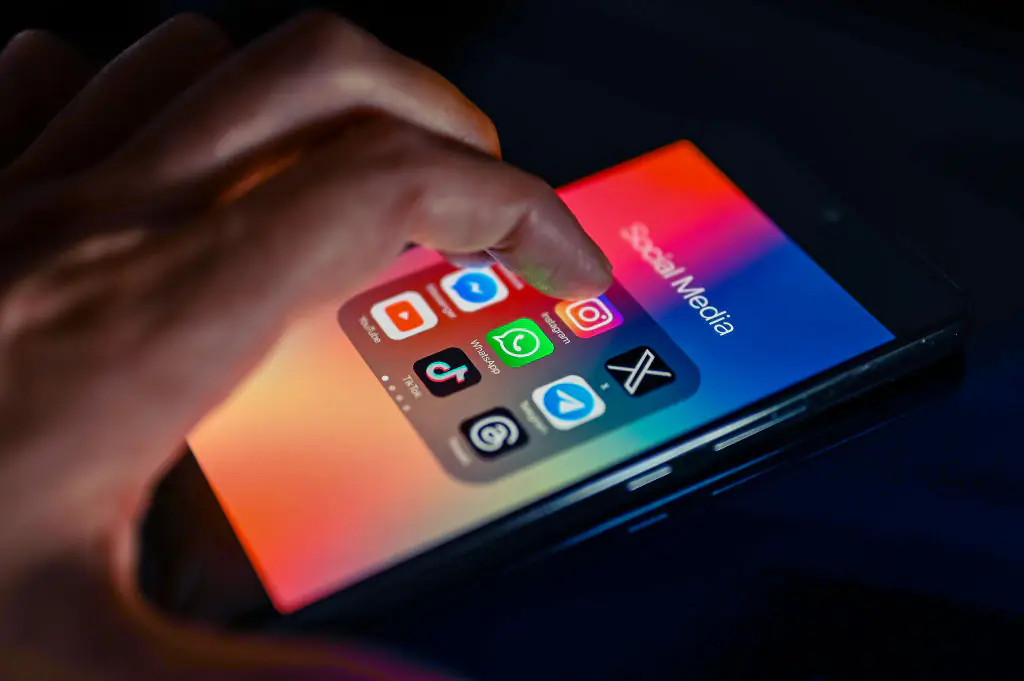
This week, the UK government announced that all apps, including Snapchat, TikTok, YouTube, Instagram, Facebook, and X, will be banned for all users under 16 in a bid to protect children from the dangers posed by social media.
YouTube Kids and messaging services like WhatsApp and Signal will still be available.
A student has gone viral for her brutal honesty about the ban
One teenager who was interviewed by BBC News told a journalist that her biggest concern over the ban was not being able to contact her loved ones.
Isabella said, “Not being able to contact my friends. I don't know what will happen and how it will happen, or whether there are any technicalities to what apps are restricted, but I use most of my social media to contact my parents and family.”
When the student was asked what her total screen time was over the weekend, she answered with a shocking, but standard, “nine hours”.
Then, after being asked what she would do with her time instead once the ban comes into place, Isabella stared at the camera and, with a completely deadpan expression, said, “Stare at a wall.”
The clip has since gone viral for the teenager’s hilarious and relatable reaction.
The legislation aims to protect children against the dangers of social media
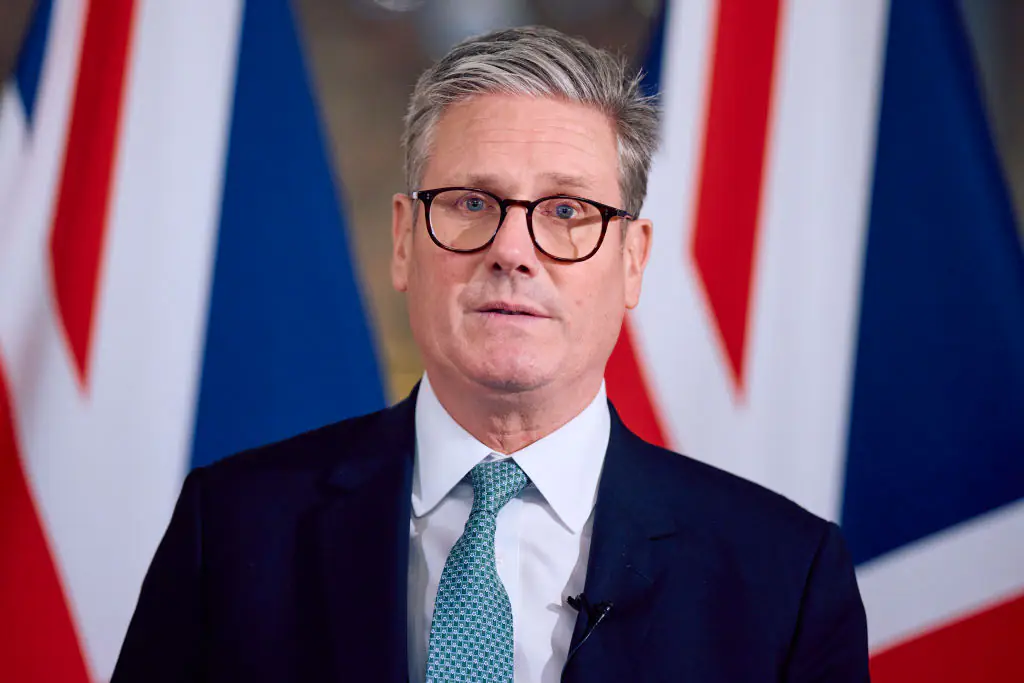
UK Prime Minister and father of two teenage children, Kier Starmer, told a news conference that he has put the legislation through Parliament because he is “not prepared to compromise on the safety and happiness of our children.”
He continued, “Every parent can see it with their own eyes. Social media is making children unhappy.
“I've heard firsthand from families crying out for change, and we will do right by them.”
The new legislation has been widely endorsed by parents across the UK, as the campaign was backed by a group of parents who believe social media played a serious part in the deaths of their children.
Beginning next spring, the restriction will follow similar laws already in place in Australia, Canada, Brazil, and Indonesia.