


US4 min(s) read
9/11 airline worker who checked in two hijackers reveals the one reason he didn't intervene despite being suspicious of them
.webp_lli6Ty?tr=cr-74.9.445.380,f-webp,q-70,w-100)
The airline worker that checked in two of the hijackers on 9/11 has revealed why he didn't stop them boarding a plane, despite his suspicions.
September 11, 2001, is the deadliest terrorist attack on US soil, after almost 3,000 people were killed in a coordinated attack by the extremist group al-Qaeda.
Two hijacked planes were crashed into the Twin Towers in New York, while a third plane crashed into the Pentagon, the headquarters of the United States Department of Defense, in Arlington County, Virginia. A fourth plane crashed in a rural field in Pennsylvania after passengers fought back against the terrorists on board.
This year marks the 25th anniversary of the atrocity, in which 2,977 victims were killed as well as 19 terrorists, leaving over 150,000 responders and survivors with ongoing health issues.
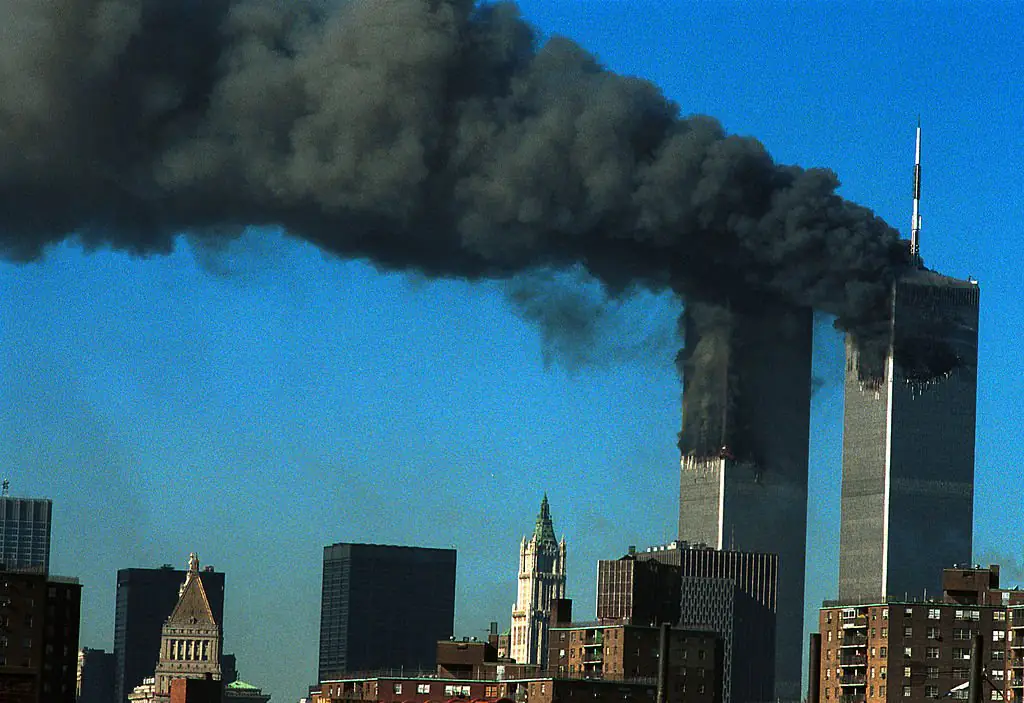
Michael Tuohey, who was working at Portland International Jetport in Maine on that fateful day, recalled checking in two of the men who would go on to commit one of the most heinous terrorist attacks in recent memory.
Tuohey, who was working as an airline customer service agent, helped two of the hijackers check in for American Airlines Flight 11, which ended up crashing into the North Tower of the World Trade Center.
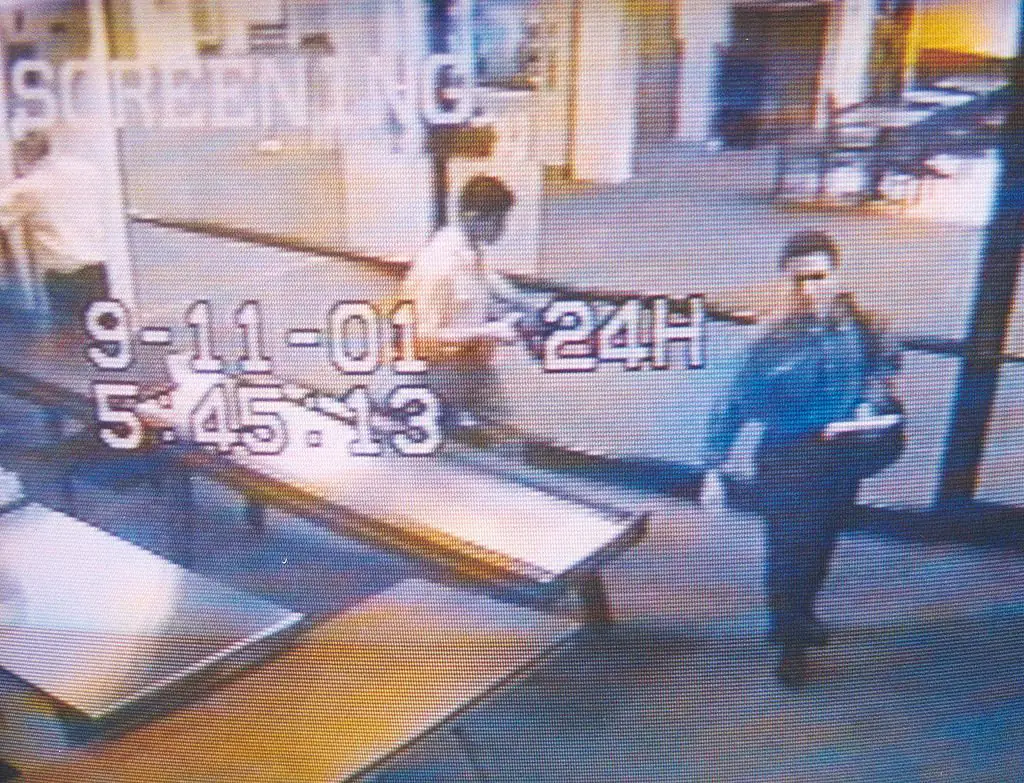
Mohammad Atta and Abdul Aziz al Omari arrived just a half hour before their flight, and Tuohey scanned their paper tickets to see when they'd been bought, or if they'd been purchased in cash, which would have raised alarm bells even before the stringent security rules that came in for travel following 9/11.
He could see that their tickets had been bought weeks earlier, paid for with credit cards, and both were seated in the first class section of the plane.
Tuohey revealed to Reuters that he began to get suspicious that something was off from one of the passengers, explaining: "I was getting a vibe from the older, shorter guy that he didn't like being there," referring to Atta.
"And I'm thinking: it's 5:30 in the morning. Nobody wants to get up at 5:30 in the morning."
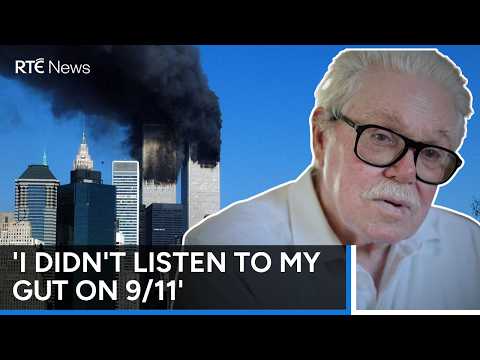
He revealed that Atta had repeatedly told him that he'd been informed it was a "one-step check-in" process to board the plane, and had given al Omari an "order" to hurry when Tuohey warned them that they were close to missing their flight.
A while later, as they watched the horrifying events unfold on the television, a colleague reminded Tuohey that the two men that had given him a "bad time" at check in would have been on board the plane that went into the tower.
Recalling his immediate reaction before it was later discovered that they were the hijackers, Tuohey said: "I said 'yeah I did, oh my God, the poor guys, their dead.' That's what I'm thinking, 'the poor guys are dead.'
"And then it dawned on me, 'wait a minute, this guy looked like... I even thought if anybody looks like a terrorist, he is a terrorist. That passed through my mind, earlier that day."
Tuohey, who is now aged 80 and retired, admitted that he suffered with some guilt at the missed opportunity to prevent part of the atrocity that followed, despite not knowing the horrors that were set to unfold.
He revealed the reason why he did not intervene to stop the men from boarding was that he was worried he was just profiling them: "My gut instinct was good but there were laws, there were laws against profiling people.
"I didn't listen to my gut. And it turned out to be an awful thing," he said. "But it wasn't that I was right. It's just that it could have changed something.
"Not that it would have, but it could have. Who knows?"