


US3 min(s) read
All the jobs that wouldn't be drafted into war if WW3 happened after Trump 'attempted to access nuclear codes' over the weekend

Americans hoping to avoid being drafted if a third world war were to break out would likely need to find “safe” employment, otherwise they could run the risk of being shipped off to the Middle East.
With the U.S. and Iran locked in negotiations over the fate of the war that has waged between them, many will be bracing themselves for what is to come in the event of an impasse between world powers.
People working in certain essential industries could be protected from being sent into combat if conscription were introduced.
These are known as “reserved occupations”, meaning they are considered so important to the country that it is more valuable for those workers to stay at home rather than fight, similar to what happened during World Wars I and II.
.jpg_pDQXJG?tr=cr-0.0.726.481,f-webp,q-70,w-1024)
Fears about a wider global dispute have increased recently after U.S. missile strikes on Iran and their retaliatory response, raising concerns that other nations could become engaged in the war.
Healthcare workers

Doctors, nurses, and midwives are seen as essential and would be expected to remain in their roles even during a major war.
In past drafts, medical students were often exempt as well, helping to protect the future of the healthcare system, according to the Daily Star.
Likewise, police officers and firefighters are rarely drafted, since maintaining order at home is a top priority during wartime.
Agricultural workers
.jpg_OuAwNe?tr=cr-0.0.724.483,f-webp,q-70,w-1024)
During WWII, farmers played a critical role in preventing food shortages, particularly during naval blockades.
As a result, both farmers and agricultural students were exempt from conscription, which led to a surge in demand for agricultural education.
For those wanting to avoid military service, working in farming could be a practical option.
Infrastructural operators
Workers in power plants and those managing water and sewage systems would also likely be exempt, as they are vital to keeping infrastructure running smoothly and without delay.
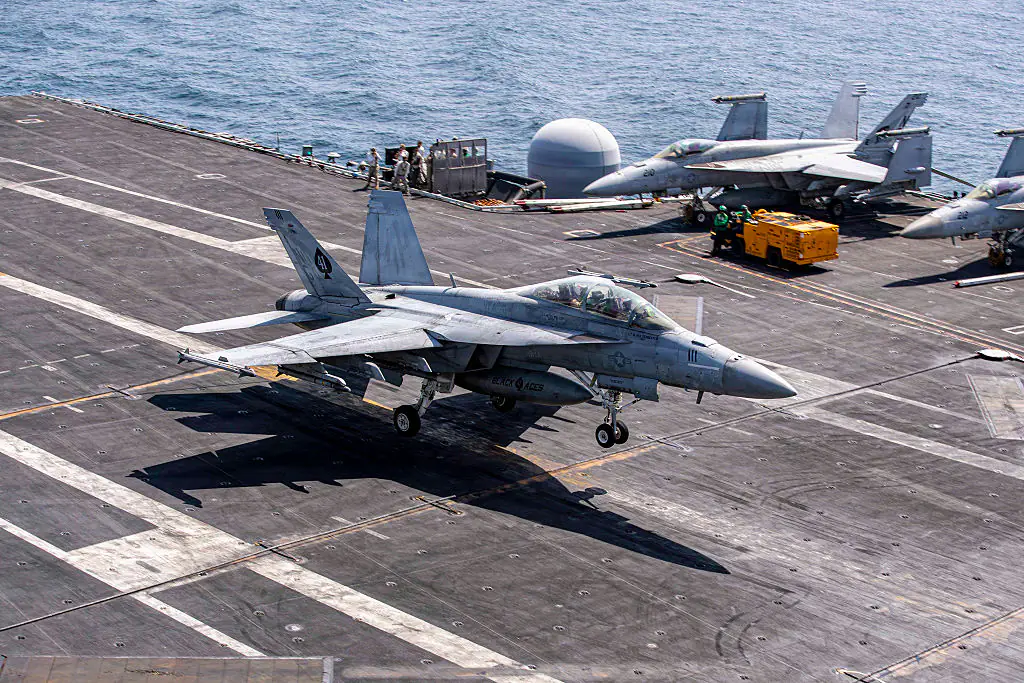
With war relying increasingly on advanced technology, workers in the technological and munitions sectors would likely be considered indispensable. This includes engineers and technicians working in aerospace, shipbuilding, and telecommunications.
Supply distributors and IT specialists
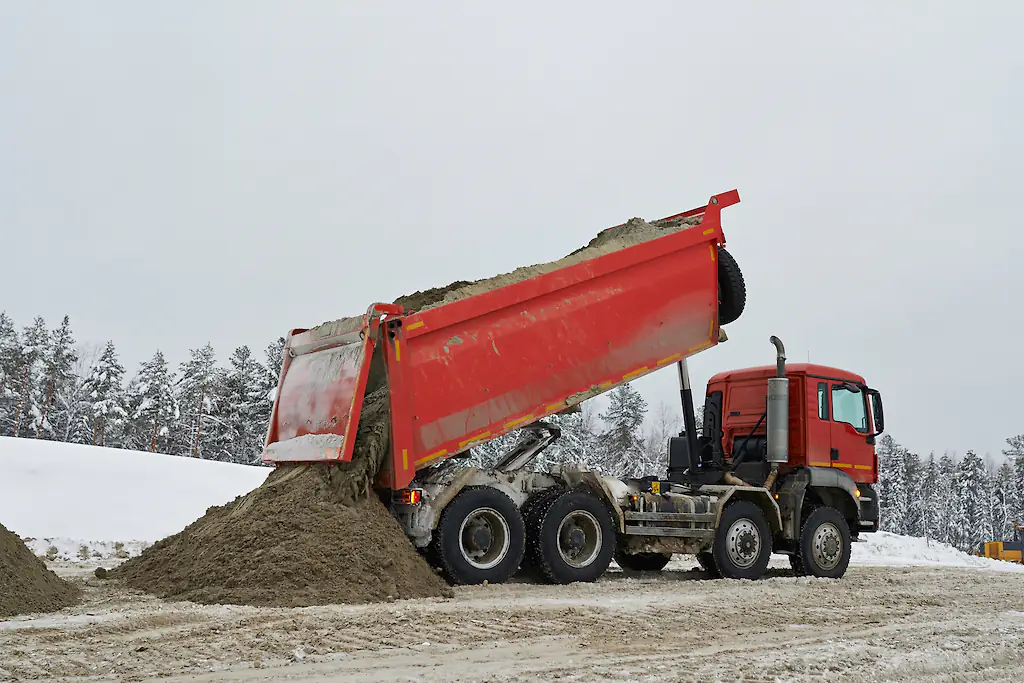
Train and truck drivers have historically been included on the reserved list to ensure the steady flow of supplies and produce.
In modern times, cyber defense specialists and IT professionals would also be viewed as crucial in a war effort, meaning they would likely remain in their roles rather than be deployed.