


US5 min(s) read
Americans given new warning about the 5 safest states to be in if World War 3 breaks out
.jpg_xKEaT0?tr=cr-0.328.2730.3058,f-webp,q-70,w-100)
The safest places to be across the US, if a World War were to break out, have been revealed.
In an ideal world, we wouldn't need to have this conversation, but the reality is that the ongoing conflict in the Middle East has the potential to escalate to something which nobody wants - a third World War.
Just last weekend, efforts from officials to end the Iran war were thwarted once again, as both sides refused to budge from their demands, and pressure continues to build over reaching an agreement.
Iran has stayed firm on keeping the Strait of Hormuz closed as long as the US maintains its blockade.
The Middle Eastern nation will only reopen the vital shipping lane, through which a fifth of the world's crude oil is exported, if they lift the blockade and end the war.
President Donald Trump has called for an even broader deal to put an end to Iran's nuclear program and support regional proxies, according to PBS.
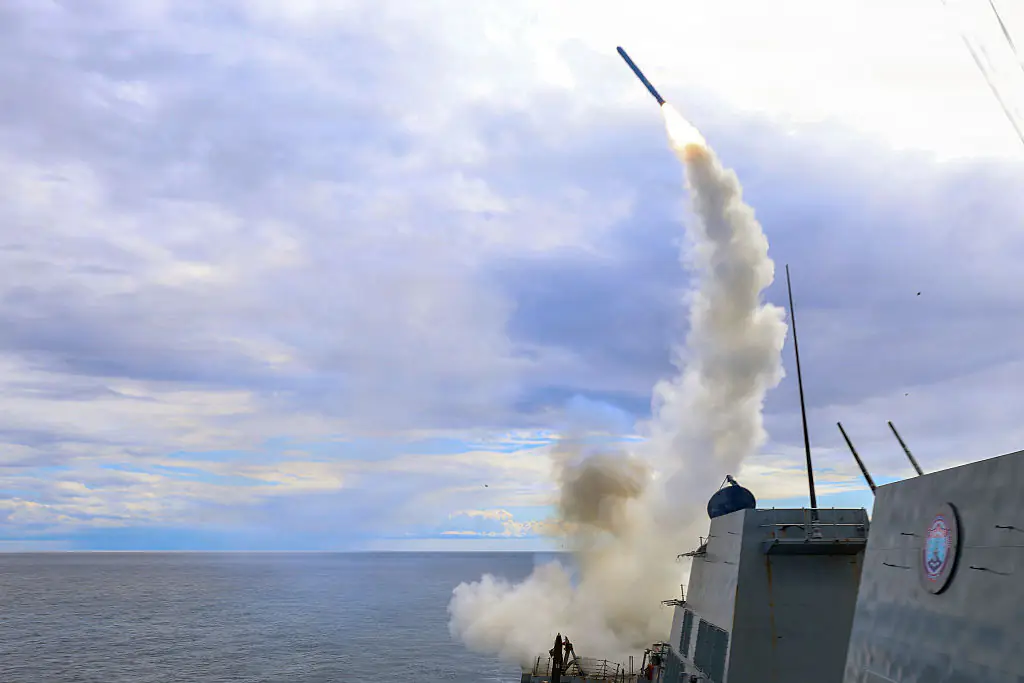
The likelihood of World War III breaking out
As a result of this stalemate, gas prices around the world have gone through the roof, with the global economy taking a huge hit as a result, with the US midterm elections on the horizon.
Tensions are continuing to rise, so people have started to wonder about what may happen if a world war were to kick off.
A draft could likely be introduced to help the US fend off any adversaries, making it mandatory for people to serve their country in the war.
In the past, key workers such as bakers, farmers, doctors, nurses, and engineers were exempt from being drafted due to the importance of their roles in maintaining the national infrastructure, so these individuals would be safe.
The reality, though, is that those who would stay in the US wouldn't truly be "safe," if a global conflict were to break out.
Modern warfare, such as missiles, cyberattacks, satellites, and long-range strikes, means that nationwide infrastructure and population centers are exposed to being attacked.
But based on many factors, such as population density and a lack of military targets, here are the five states that would theoretically be safer than the rest, in the event of WWIII.
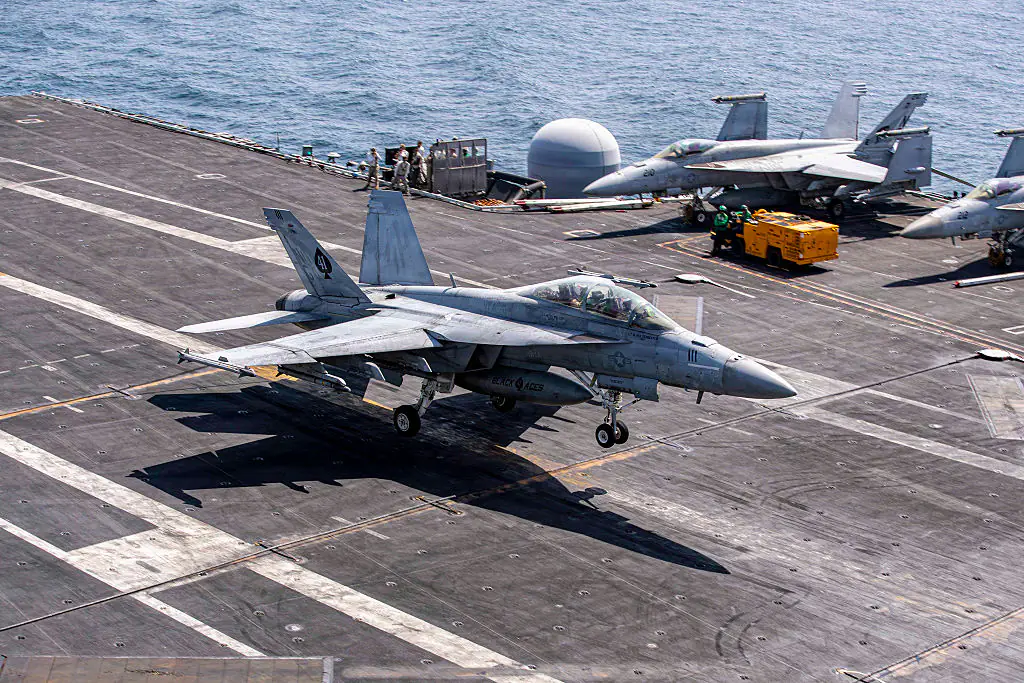
Montana
It should be noted that while this list heavily depends on the type of conflict, be it conventional, nuclear, or cyber, Montana is one of the states that would be classified as “lower priority” rather than “safe".
Montana has a low population density at just 7.8 people per square mile, very few major strategic military targets, and large rural areas, meaning that it isn't really a focus point for some of the US' possible enemies.
The state is also a fair distance from either coast, which would be more enticing targets to any nation looking to attack American shores.
There is one notable military base within its borders - the Malmstrom Air Force Base is home to some nuclear assets, so it could be a potential target in the later stages of war.
Wyoming
Wyoming is the least populous state in the US, having the second-lowest population density at roughly six people per square mile.
The state also has a limited industrial or military infrastructure, with countries likely to avoid it as a priority target.
Located inland, it means that Wyoming is away from major ports and international borders, though it isn't completely immune.
This is due to nationwide infrastructure dependence, but it is one of the safer options to flee to.
.jpg_9MdBvK?tr=cr-0.0.1024.768,f-webp,q-70,w-1024)
North Dakota
With just 11 people per square mile and a population of around 784,000, North Dakota is the fourth least-populous US state.
There are some strategic assets within its borders, such as the Minot Air Force Base with nuclear-capable forces, but the fact of the matter is that it has a relatively low strategic value compared to coastal states.
South Dakota
Neighboring the previous state, South Dakota has a population density of just 12 people per square mile, with the majority of the 900,000 total concentrated to the east of the Missouri River.
It has a limited major infrastructure, while lacking high-value military or economic targets, meaning it once again isn't the most attractive to any attackers.
Its central location and the fact that the majority of its western side is mostly arid, rural land dedicated to cattle ranching mean that it reduces immediate coastal risk.
Idaho
Finally, the largely rural and mountainous Idaho makes the cut, with around 20-24 people per square mile and a total population of around two million.
It is a very sparse US state, with its population concentrated in certain areas, such as Boise.
There is some military presence, though, such as the Mountain Home Air Force Base, but this is not a primary national target set.
Its terrain offers dispersion instead of concentrated urban targets, making it another safe option to seek refuge in.