


World3 min(s) read
Iran war could be about to make a huge impact on your sex life - here's why

The ongoing US war with Iran has already no doubt had an impact on your wallet, but it may also be about to affect a much more intimate area of your life too.
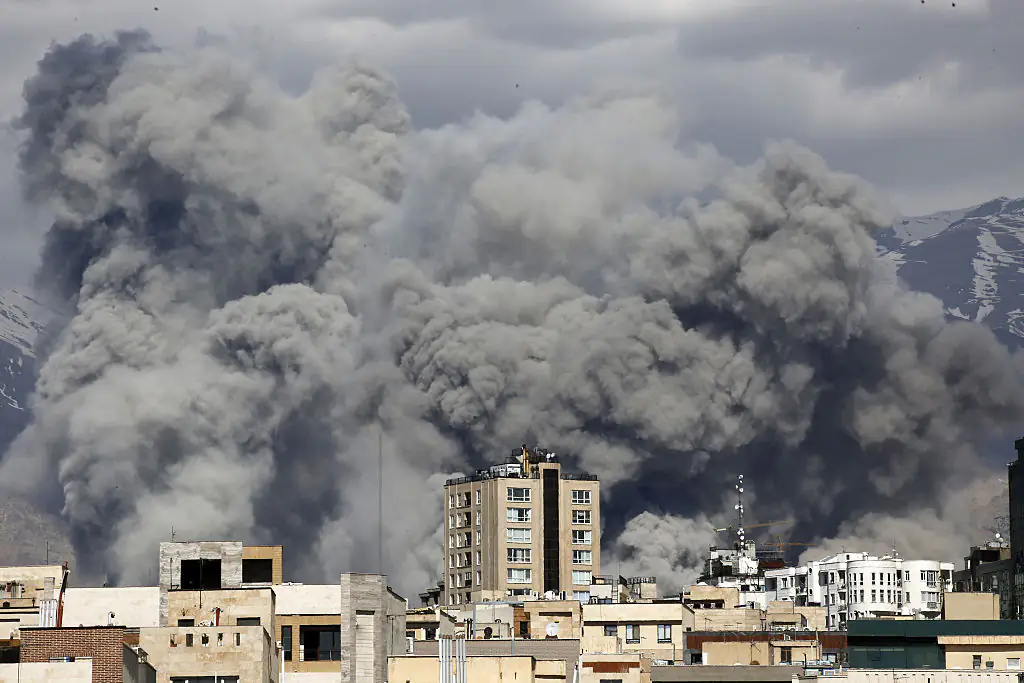
Since the US president launched military strikes on Iran in February, thousands of civilians have been killed, and billions of dollars' worth of infrastructure damage has been done across the Middle East.
Over in the West, international trade and travel have been severely disrupted, while global oil prices have spiralled out of control, and a jet fuel crisis threatens to cancel summer holidays.
How will a war ruin sex lives?
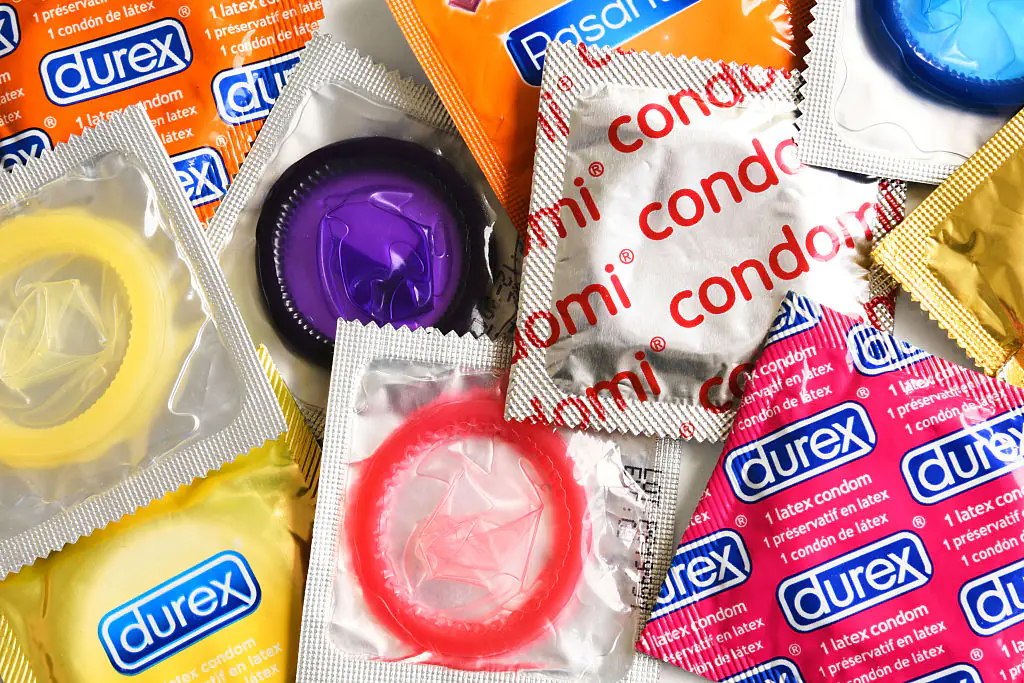
In another blow to pleasurable pastime activities, there will be a rise in the cost of condoms too.
Karex, a Malaysian firm which produces the contraceptives for companies such as Durex, Trojan and the NHS, announced this week that a disruption in the plastic supply chain will cause a surge in the price of condoms.
Chief executive Goh Miah Kiat told Reuters: "The situation is definitely very fragile."
Condoms are predominantly made of latex, a flexible and durable rubber made from tree sap or petrochemicals, which, according to The Telegraph, is typically produced in the Middle East.
Since the beginning of the Iran war, rubber prices have increased significantly, and reportedly, there has been an 8.5 percent increase in the past month alone.
Karex revealed that the company had a stockpile of condoms it hopes will last the next couple of months, as it is struggling to keep up with production.
When explaining the rise in the cost of production, CEO Kait said: “We have no choice but to transfer the costs right now to the customers."
Are we in a condom crisis?
He also warned of a potential contraceptive shortage in the US and Europe in the coming months, as, since access to the Strait of Hormuz remains unreliable, shipping times for condoms have doubled to two months.
"We’re seeing a lot more condoms actually sitting on vessels that have not arrived at their destination but are highly required," Kait added.
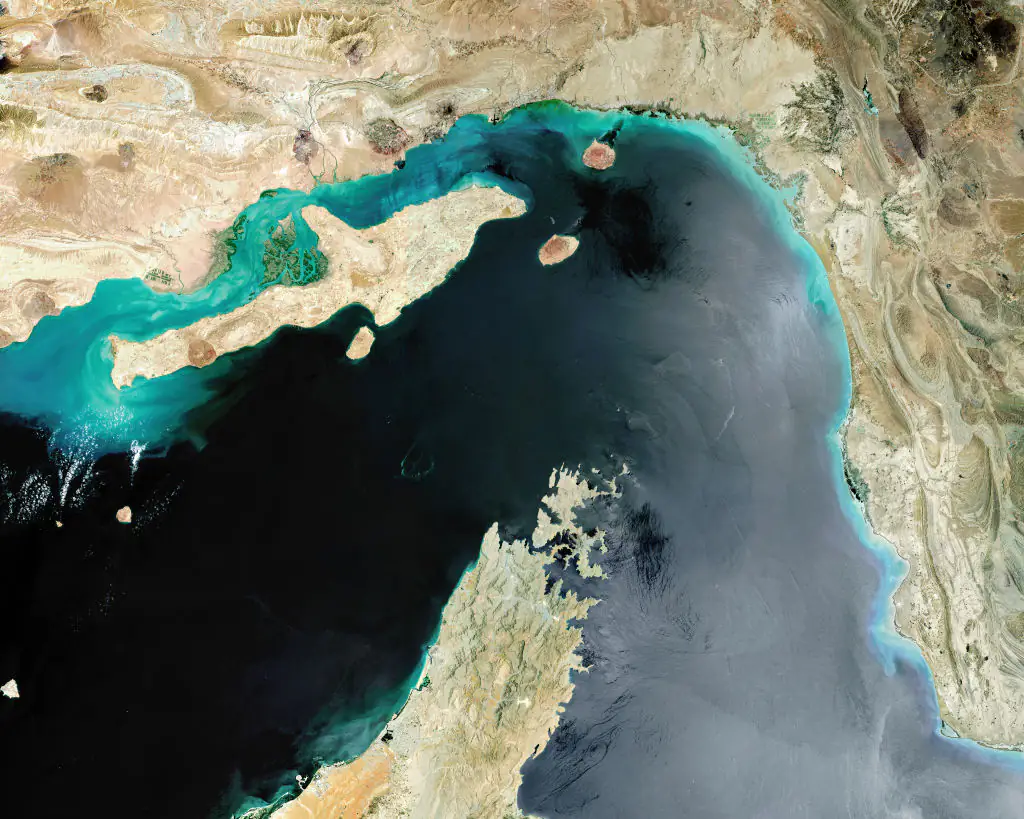
Although Iran recently reopened the Strait after a two-month closure, which Karex is still reeling from, it remains a threat to passing ships as Iran is firing at them in response to a US blockade on its ports.
The shipping lane is responsible for a fifth of the world's oil trade, and a crucial channel in many product supply chains. It has also been a focal point of contention between the battling world powers.