


US3 min(s) read
America’s oldest inmate dies aged 101 after guards turned blind eye to bizarre prison habit during 70 years behind bars
.jpg_xKEaT0?tr=cr-0.328.2730.3058,f-webp,q-70,w-100)
The US's longest-serving prisoner and death row inmate passed away earlier this year, after over 70 years behind bars.
Francis Clifford Smith was just 25 when he was convicted of murder in 1950, and though he enjoyed a few stints of freedom, he would violate parole and be taken back behind bars.
Other times, Smith would escape from prison, such as in 1967, though he would be caught by officers just 12 days later.
He also went home for Christmas Eve in 1974, though he would return on Christmas Day.
The inmate was 101 when he passed away in June 2026, having eaten his final meal a total of eight times before being spared execution.
Smith was one of two men arrested over the murder of Grover Hart, a night watchman at a Connecticut yacht club, with the other giving evidence against Smith as he was found guilty of first-degree murder.
One officer who interrogated Smith after the arrest later admitted that he thought Smith was innocent, as witnesses recanted their statements and a different inmate later confessed to the murder.
Finally, in 1954, his death sentence was commuted to life in prison.
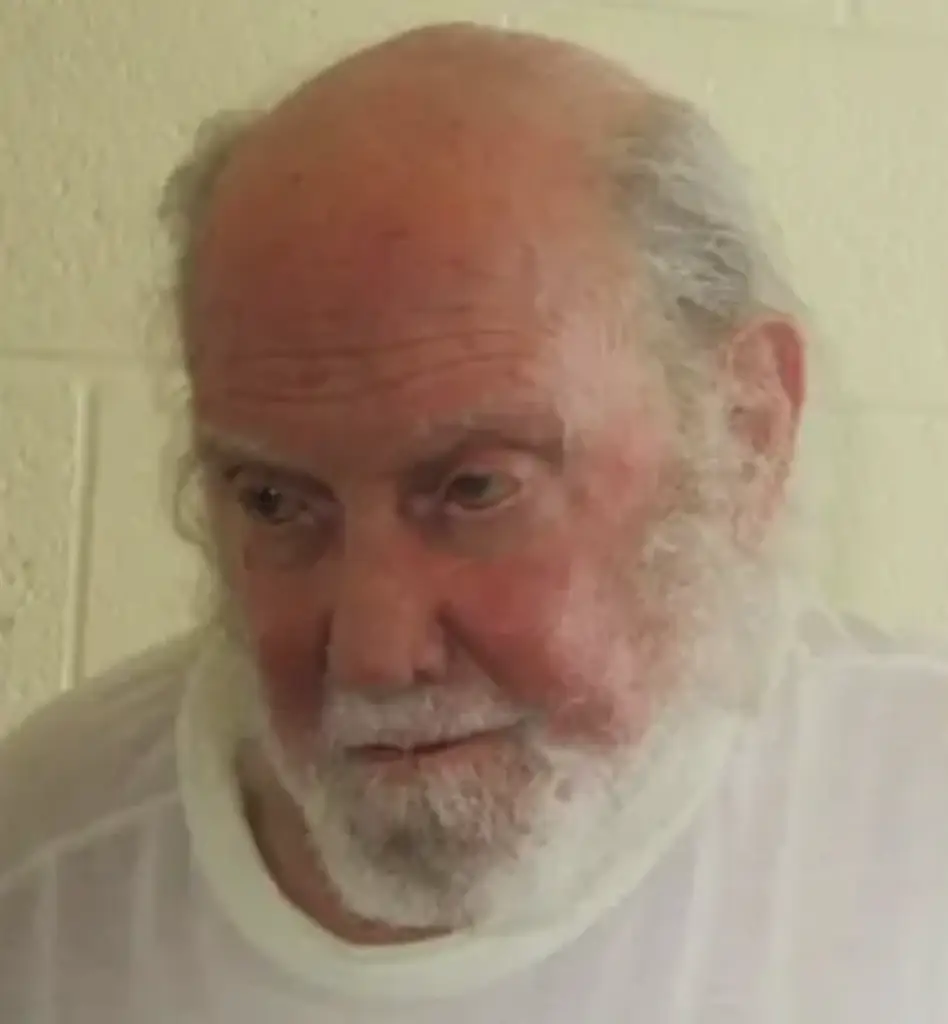
What was Francis Clifford Smith's weird habit?
After all that time behind bars, the inmate gained an odd nickname, as it's said that the Connecticut prison guards turned a "blind eye" to this particular behavior.
In the jail, he was known as "The Birdman of Osborn," as he enjoyed feeding the birds behind bars.
Andrius Banevicius, the public information officer for Connecticut's Department of Correction, said to the BBC: "He would stuff as much bread as he could in his clothing.
"Everyone kind of turned a blind eye to it because they knew he was just feeding the birds."
Smith had his head shaved on the day of his eighth scheduled execution in 1954, but this was the same day the Board commuted Smith's death sentence to life imprisonment.
Smith's final years in prison
Speaking to the Boston Globe in 2023, Smith said: "I’ve been locked up all my life,
"I just go from day to day as the circumstances present themselves."
He lived in a facility called 60 West in his final years, a center that provides specialist care to incarcerated individuals.
A spokesman for the facility, David Skoczulek, explained: "Essentially, he died of old age.
"He had very limited family involvement around his passing but we assured it was appropriate, met his wishes and was dignified."
"He did pretty well as far as longevity is concerned," he admitted.
The publication reported that Smith's body was cremated and that there was no funeral.
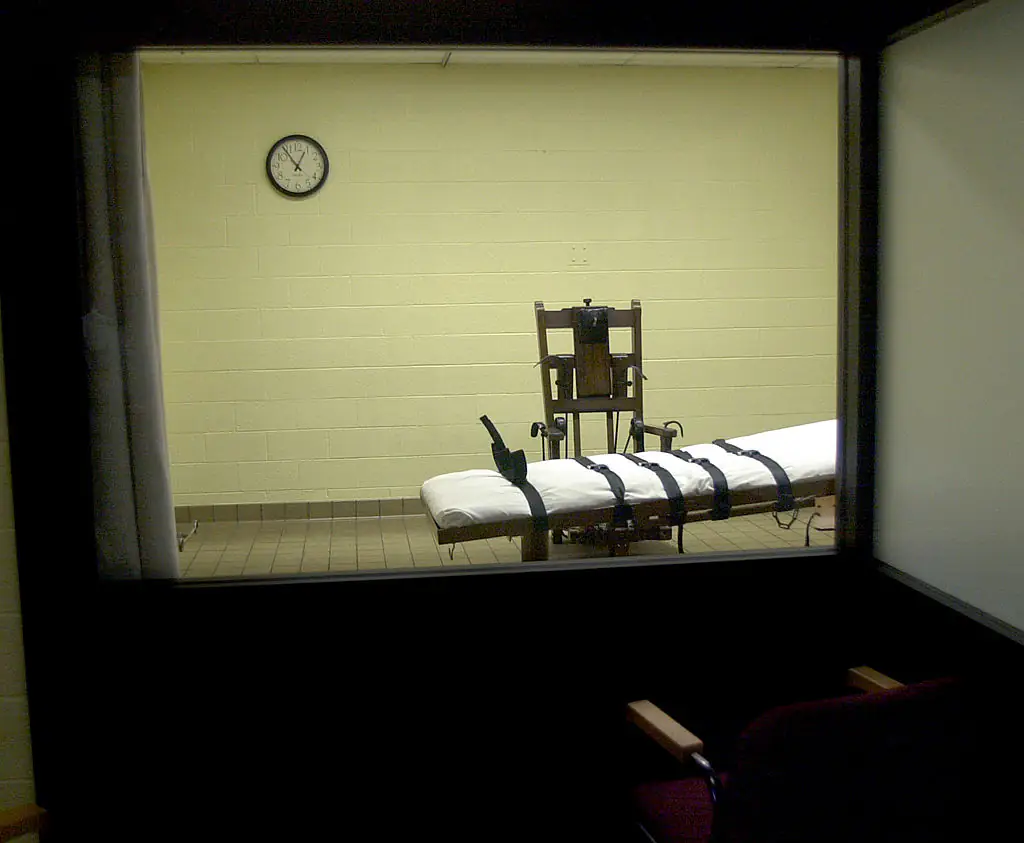
Smith wasn't alone as the oldest prisoner
Dr Stephanie Prost, a researcher in older adults in prison settings, further explained to the publication that most facilities have an inmate similar to Smith.
She explained: "We're not the only jurisdiction that's facing that ageing-related crisis, because similar issues are percolating in Australia and England,
"It's an international issue in terms of the population. Although, of course, we have a larger number of individuals in the US."